



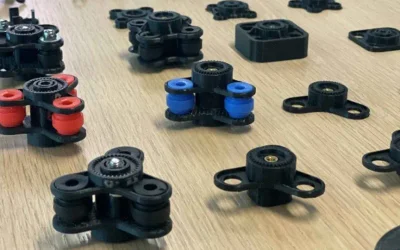
For anyone looking to make a new product or improve an existing one, rapid prototyping is an invaluable tool. This article will guide you through how you can incorporate 3D printing into your rapid prototyping process while also reducing your costs and time to market.
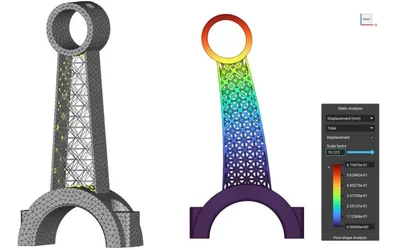
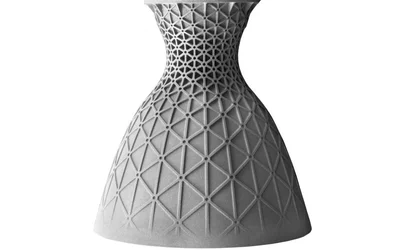
Lightweighting means more than just reducing mass. Through smart design techniques, you can maximize product functionality and minimize costs. Here are seven design tips for efficient structural design.
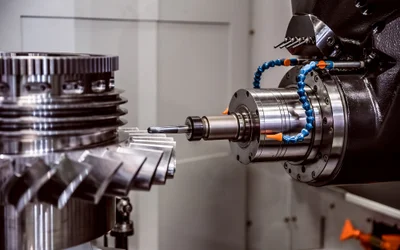
Selecting the right material for CNC machining can make all the difference if you want to produce a functional part or prototype at a reasonable price.
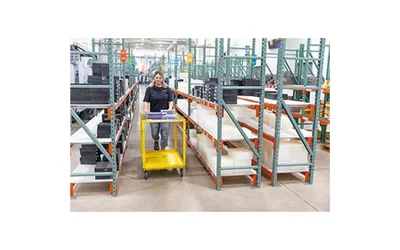
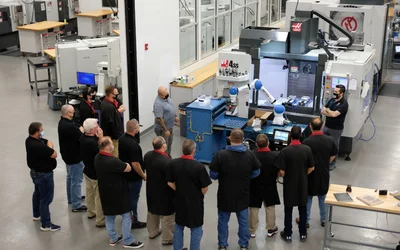
Automation is key to the US competing on a global manufacturing stage, but we have work to do to train our workforce to be fluent in advanced manufacturing skills such as robot programming.
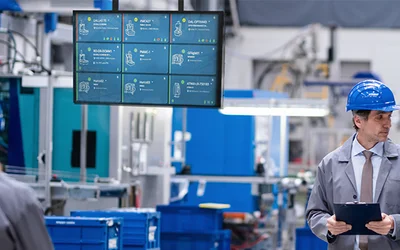
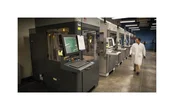
Article #3 of our Industrial IoT revolution series. Although data is the key in deriving meaningful insights, feature-full connectivity has emerged as a leading need in retrofitting existing manufacturing environments with automation.
3D printing can offer a wide range of advantages over more traditional manufacturing techniques. However, in general there are four major areas where it can come out in front of those processes.
New 3D printing technology Multi Jet Fusion (MJF) may appear to be a replacement for selective laser sintering (SLS) after all both build parts from thermoplastic nylon but MJF is faster, more precise and produces more consistent mechanical properties throughout the part.
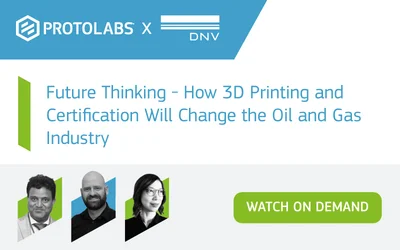
3D printing offers many benefits to the oil and gas industry including guaranteed quality standards, greater flexibility of design parts, less product development time, reduced carbon emissions, less waste, reduced costs and rapid turnaround from order receipt to product delivery.