Featured
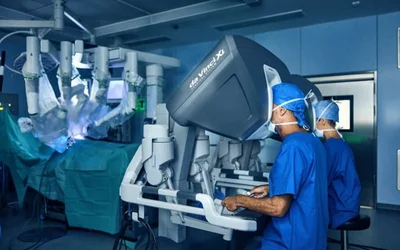
Reliable connections are critical in cutting-edge medical devices.
Reliable connections are critical in cutting-edge medical devices.
Reliable connections are critical in cutting-edge medical devices.
Though artificial intelligence has become nearly ubiquitous, from smartphones to chatbots to self-driving cars, its impact on health care so far has been relatively low.
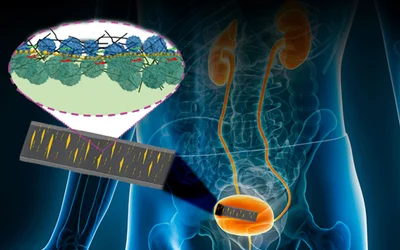
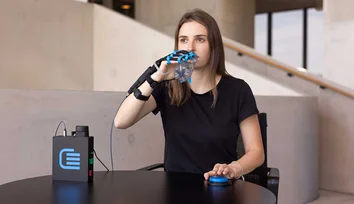
A new skin-like sensor developed by an international team led by researchers at Penn State could help doctors monitor vital signs more accurately, track healing after surgery and even help patients with bladder control issues.
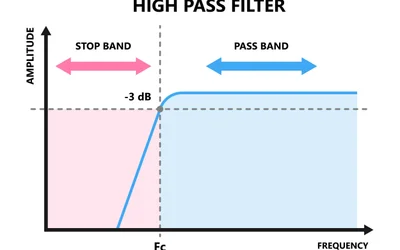
Active high-pass filters remove unwanted low-frequency signals while preserving useful higher frequencies. This article covers first- and second-order filter design, Sallen-Key and multiple-feedback topologies, and practical applications in audio electronics, instrumentation, and signal processing.
16 minutes read.
15 minutes read.
19 minutes read.
12 minutes read.
14 minutes read.


Entertainment
The Next Byte Podcast is hosted by two young engineers - Daniel and Farbod - who select the most interesting tech/engineering cont...
165 Posts

High Tech
High Tech Campus Eindhoven is Europe's smartest square km and has the ultim...
49 Posts

University for science and technology
Freedom and individual responsibility, entrepreneurial spirit and open-min...
43 Posts

University
At the Harvard John A. Paulson School of Engineering and Applied Sciences (...
42 Posts
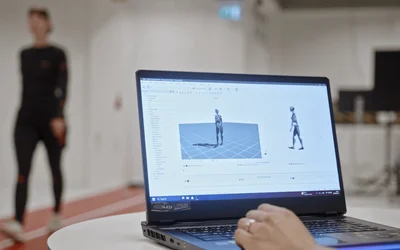
with Xsens motion capture
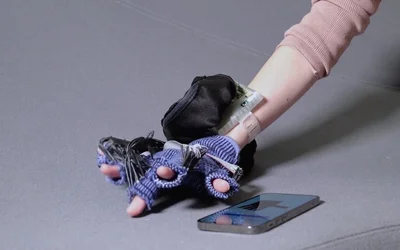
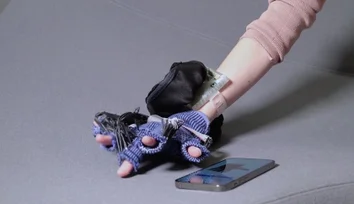
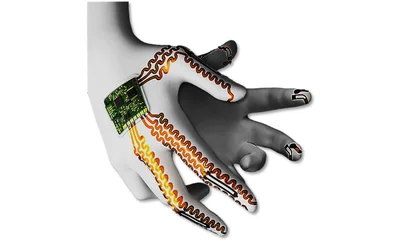
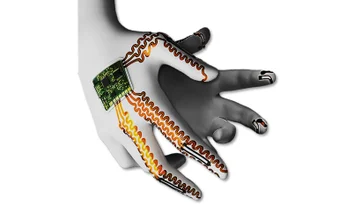
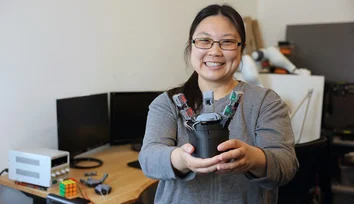
A new glove with more than three dozen actuators across all five fingers and the palm, developed by Cornell researchers, aims to reduce swelling for people suffering from edema.
AI-powered artificial muscles made from pliable materials are reshaping recovery, from stroke rehabilitation to prosthetic design. These machines help people regain motion, strength, and confidence.
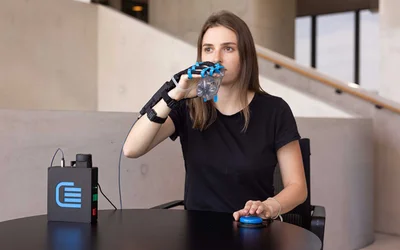
Researchers at ETH Zurich have developed an innovative hand exoskeleton that helps persons after stroke re-learn how to grasp. Its accordion-like structure makes it light, robust and easy to integrate into everyday life.
AI-powered artificial muscles made from pliable materials are reshaping recovery, from stroke rehabilitation to prosthetic design. These machines help people regain motion, strength, and confidence.
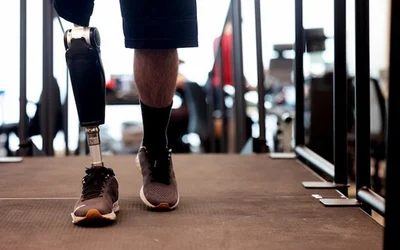
Paired with custom control software, Össur's powered knee prosthesis helped study participants sit, stand and walk more easily.
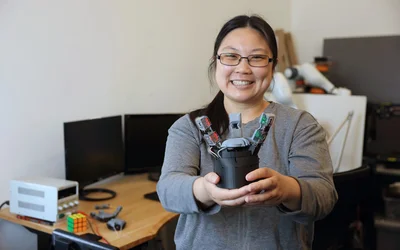
MIT CSAIL researchers enhance robotic precision with sophisticated tactile sensors in the palm and agile fingers, setting the stage for improvements in human-robot interaction and prosthetic technology.
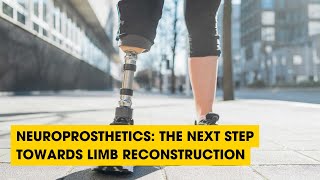
In this episode, we discuss a breakthrough from ETH Zurich to mimic natural foot signals to the brain using state of the art neuroprosthetics.
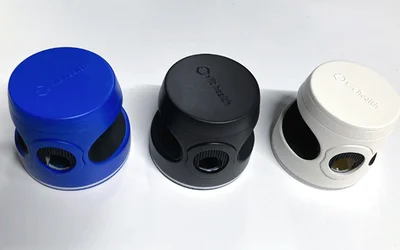
Reliable connections are critical in cutting-edge medical devices.
Though artificial intelligence has become nearly ubiquitous, from smartphones to chatbots to self-driving cars, its impact on health care so far has been relatively low.

4 minutes read
A new skin-like sensor developed by an international team led by researchers at Penn State could help doctors monitor vital signs more accurately, track healing after surgery and even help patients with bladder control issues.
Thin electrode arrays integrate seamlessly into developing embryos' brains

3 minutes read
Engineers have harnessed quantum physics to detect the presence of biomolecules without the need for an external light source, overcoming a significant obstacle to the use of optical biosensors in healthcare and environmental monitoring settings.

3 minutes read
Electrodes coated with DNA could enable inexpensive tests with a long shelf-life, which could detect many diseases and be deployed in the doctor's office or at home.
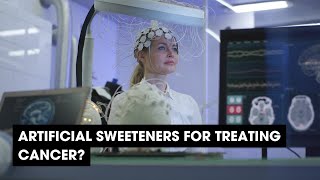
In this episode, we explore a novel glucose-powered sensor patch that enhances the safety and precision of cancer diagnosis and treatment. Discover how this smart, sugar-infused technology enables non-invasive monitoring and paves the way for safer, more effective medical care.

10 minutes read
Researchers from UMC Utrecht and TU/e are working on an 'augmented reality' layer for surgeons who perform complex esophagectomy with a robot.

4 minutes read
New ways to monitor glucose without finger pricks could help the millions of people around the world who need to manage diabetes in their lives every day. Viit Health partnered with Softeq to prototype a promising new solution.

WashU interdisciplinary research uses machine learning to offer accurate prediction of preterm birth

3 minutes read
EPFL researchers have developed a customizable soft robotic system that uses compressed air to produce shape changes, vibrations, and other haptic, or tactile, feedback in a variety of configurations.
3 minutes read
Polymer glass transition temperature (Tg) refers to the temperature at which an amorphous polymer transitions from a glassy, rigid state to a rubbery, flexible state. Understanding the polymer glass transition temperature is crucial for various industries, including engineering and manufacturing.
AI scientists and doctors partner to understand who is at risk for persistent post-surgical pain
4 minutes read
Protein sensor developed by alumna-founded Advanced Silicon Group can be used for research and quality control in biomanufacturing.
EPFL and Lausanne University Hospital (CHUV) are part of an African-EU partnership awarded 10-million euros by the EU's Global Health EDCTP3 Joint Undertaking to roll-out an AI-driven application for more accessible and cost-effective tuberculosis (TB) diagnosis.
3 minutes read