The applications of 3D printing span many industries, from aircraft fuel nozzles to dental aligners. Here we look at some of the most important uses of the technology.
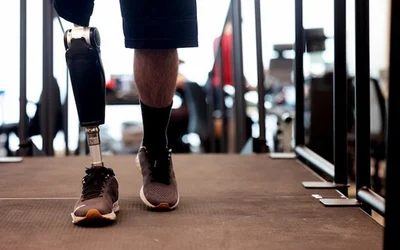
AI-powered artificial muscles made from pliable materials are reshaping recovery, from stroke rehabilitation to prosthetic design. These machines help people regain motion, strength, and confidence.
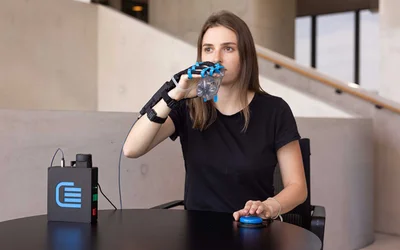
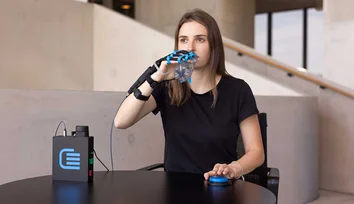
Researchers at ETH Zurich have developed an innovative hand exoskeleton that helps persons after stroke re-learn how to grasp. Its accordion-like structure makes it light, robust and easy to integrate into everyday life.
In this episode, we cover Harvard's soft wearable robot that learns a patient's intent and provides just-enough support, helping stroke and ALS patients regain independence in everyday tasks.
AI-powered artificial muscles made from pliable materials are reshaping recovery, from stroke rehabilitation to prosthetic design. These machines help people regain motion, strength, and confidence.
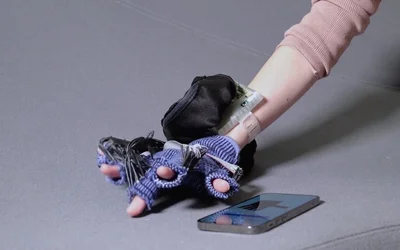
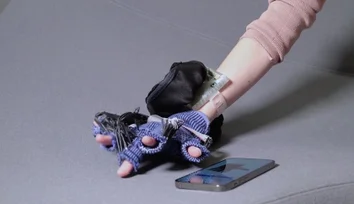
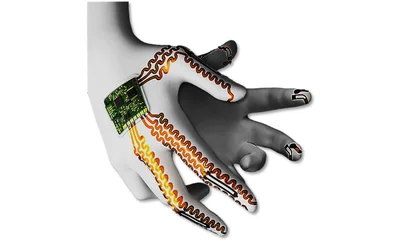
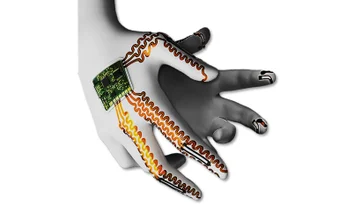
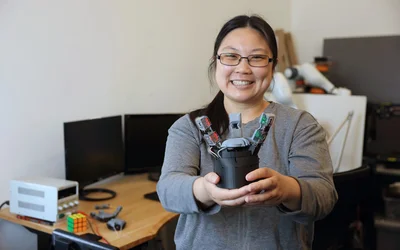
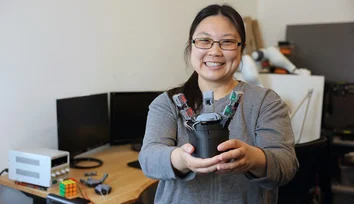
MIT CSAIL researchers enhance robotic precision with sophisticated tactile sensors in the palm and agile fingers, setting the stage for improvements in human-robot interaction and prosthetic technology.
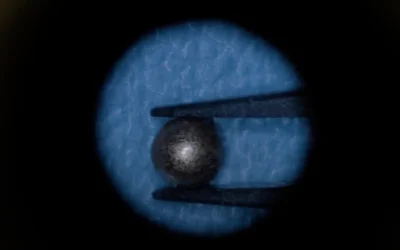
A team of EPFL engineers has developed a 3D-printing method that uses light to make objects out of opaque resin in a matter of seconds. Their breakthrough could have promising applications in the biomedical industry, such as to make artificial arteries.
Working closely with users and therapists, EPFL spin-off Emovo Care has developed a light and easy-to-attach hand exoskeleton for people unable to grasp objects following a stroke or accident. The device has been successfully tested in several hospitals and rehabilitation centers.
Han Dirkx is passionate about mental well-being and the desire to create a stress-free society for everyone. He firmly believes inner peace creates outer peace: when you feel well mentally, not only do you benefit, but so do the people – and the world – around you.
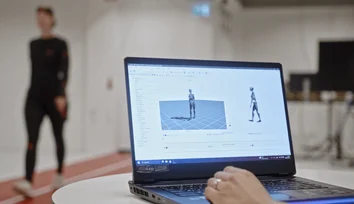
Researchers modeled dynamic facial expressions of pain using a data-driven perception-based psychophysical method with visual-haptic interaction of users.
In this episode, we talk about how researchers have created a system for predicting job automation and providing alternatives to current workers along with the impacts of carbon dioxide productivity.
“Precision work down to the nanometer” is how Robbert van der Waal describes the work that Philips MEMS Foundry does. As part of Philips Engineering Solutions (PES), the company mainly makes a lot of components for customers outside of Philips. “Our technology is too good to keep to ourselves,” he says.
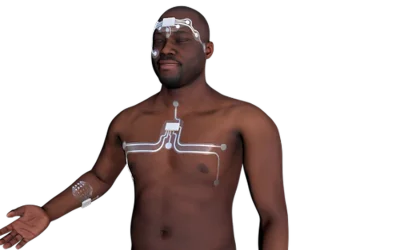
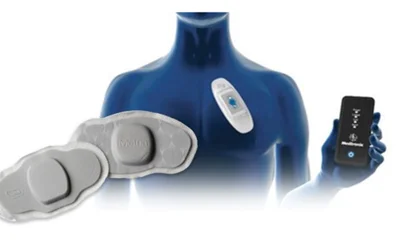
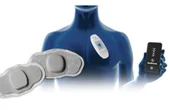
The COVID-19 pandemic has accelerated the need for remote patient monitoring. New technologies that emerge from this need can forever improve healthcare and healthcare systems.
In this episode, we talk about how exoskeleton technology is being leveraged to treat parkinsons and how a new approach for more efficient, personalized exoskeletons could be the catalyst for wide scale adaptation.
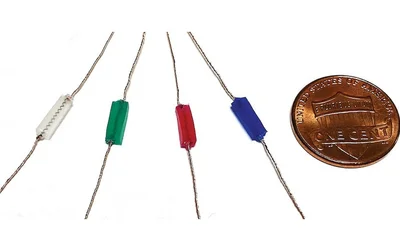
Wounds that are open for more than a year on average can be healed with a kind of mini lightning bolt. Startup Plasmacure has shown that this is possible. Since the end of 2020, podiatrists and other medical practitioners have been treating wounds with this innovative plaster.
This is one of those startups that’s not quite a startup, but in its own niche, poised to become a medtech category killer. Gilbert Technologies has spent a decade developing their futuristic inhaler technology.
In this episode, we talk about how a group at MIT has developed an easy-to-use handheld device to treat internal bleeding and a joint effort between MIT and Imperial College London which resulted in a marine mammal call sensor that can leverage machine learning models locally