Featured
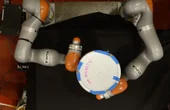
Researchers coaxed a family of generative AI models to work together to solve multistep robot manipulation problems.
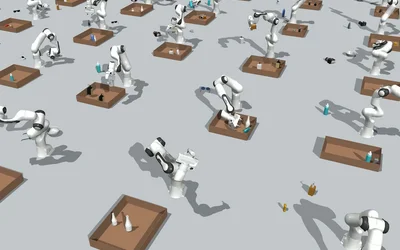
Researchers coaxed a family of generative AI models to work together to solve multistep robot manipulation problems.
Researchers coaxed a family of generative AI models to work together to solve multistep robot manipulation problems.
Amid the race to make AI bigger and better, Lincoln Laboratory is developing ways to reduce power, train efficiently, and make energy use transparent.
In this episode, we uncover the fascinating synergy between artificial intelligence (AI) and the urban design landscape to enable the mystical and sought after 15-minute city!
Unsupervised learning is a machine learning approach that finds patterns, structure, or useful representations in unlabeled data. It groups similar observations, compresses high-dimensional features, detects outliers, discovers item relationships, and supports modern representation learning.
13 minutes read.
17 minutes read.
11 minutes read.
16 minutes read.
14 minutes read.
14 minutes read.



High Tech
High Tech Campus Eindhoven is Europe's smartest square km and has the ultim...
49 Posts

University for science and technology
Freedom and individual responsibility, entrepreneurial spirit and open-min...
43 Posts
Protect the cloud by securing the edge with hardware-based security, TPMs, HSMs, and resilient edge computing architectures.
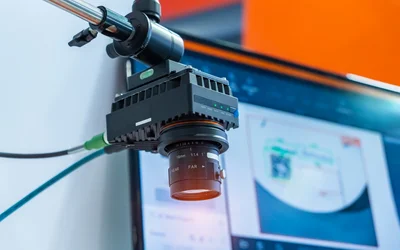
Understanding industrial vision systems by examining their components, imaging fundamentals, AI integration since 2020, and how to choose the right solution for every application.
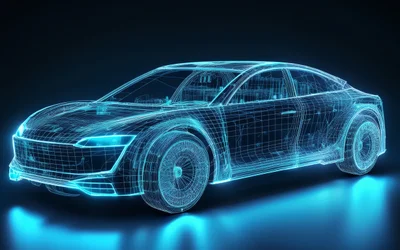
Explore the rise of intelligent EV hardware and how real-time processing, ML acceleration, and hardware virtualization are enabling safer, smarter, software-defined electric vehicles.
A detailed engineering reference on performance, signaling, and power differences in current graphics memory standards.
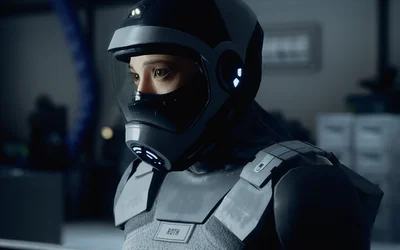
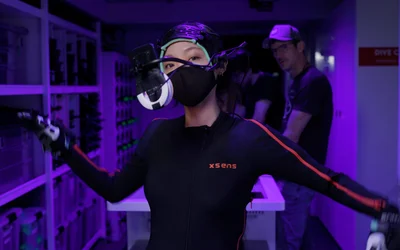
how Last Praetorian Interactive made Project Vesperi with one Xsens suit
With Xsens Motion Capture
With Xsens Indie Program
Researchers coaxed a family of generative AI models to work together to solve multistep robot manipulation problems.
Amid the race to make AI bigger and better, Lincoln Laboratory is developing ways to reduce power, train efficiently, and make energy use transparent.
In this episode, we uncover the fascinating synergy between artificial intelligence (AI) and the urban design landscape to enable the mystical and sought after 15-minute city!

20 minutes read
Its impact on Visual SLAM and beyond

4 minutes read
Sensors are electronic devices with the function to acquire information from the outside world. There are already a wide variety of sensors that can reproduce the five senses of humans. Image sensors, microphones, accelerometers, and temperature sensors are examples of those.

6 minutes read
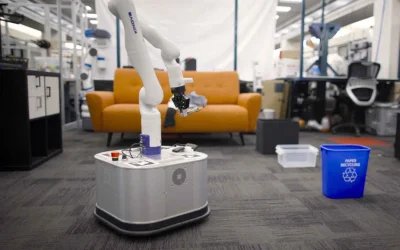
The one-armed “TidyBot” needs only a few starter examples to figure out how you like your stuff put away.

4 minutes read
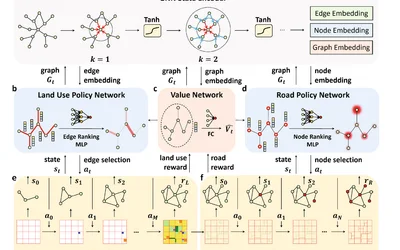
Researchers have harnessed the power of Artificial Intelligence (AI) to optimize community layouts, making cities more efficient, accessible, and sustainable
Breaking Free from LiDAR and GPS Constraints: Harnessing Vision for Reliable Positioning, Indoors and Outdoors
5 minutes read
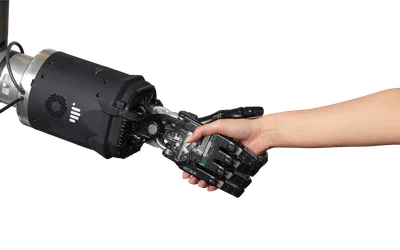
In this third part of the series, we will take a deeper look at the development of the Shadow Hand and Glove, the technology behind the glove, and the potential impact of this system on the field of robotics.
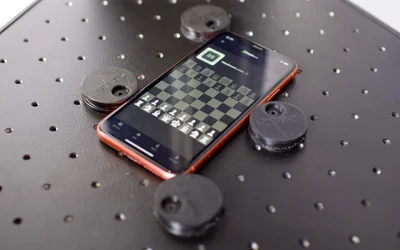
As the Adapta Robotics team is an avid supporter of learning, and wanting to promote it in any way, shape or form, we decided to share with you the experience of one of our interns in the Students’ Program as he tackles the challenge of making MATT play chess.

3 minutes read
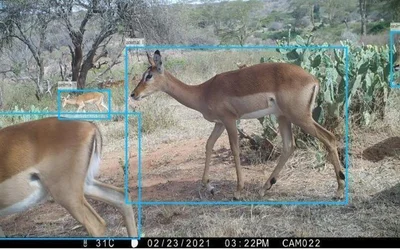
Low-power computer vision provides a new opportunity to gain a practical understanding of the world through data collection and vision in remote areas.
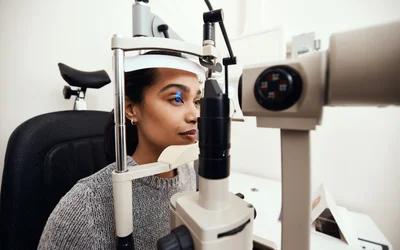
Harnessing the Power of TinyML and Machine Learning: A Deep Dive into Modern Healthcare Innovations
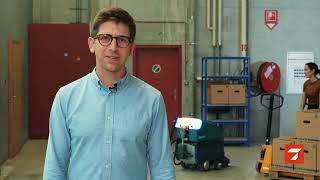
This is how Sevensense tests its curring-edge Visual SLAM technology to ensure robust performance.
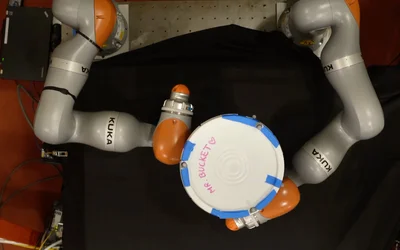
With a new technique, a robot can reason efficiently about moving objects using more than just its fingertips.
Article #4 of Spotlight on Innovations in Edge Computing and Machine Learning: Discover the integration of TinyML and wearable tech as we delve into a project that detects falls in real-time, potentially saving lives in our aging population.