




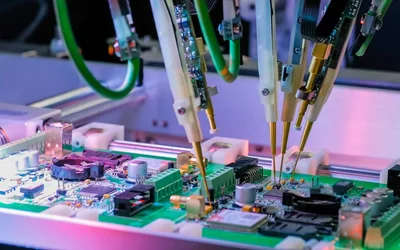
A Comprehensive Introduction to Flying Probe Test, its Essential Components, Advantages, Limitations, and Application Cases
Be the first to know.
Get our electronics weekly email digest.
Tagged with
electronics
ORGANIZATIONS. SHAPING THE INDUSTRY.
Latest Posts
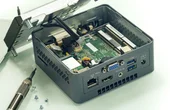
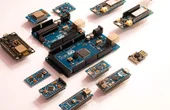
Discover the power of single-board computers for enhanced versatility and performance.
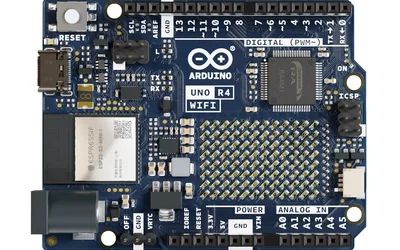
The new Arduino UNO R4 Wi-Fi board provides built-in Wi-Fi and Bluetooth communication as well as a 12×8 LED matrix display to give makers, hobbyists, and engineers an extremely versatile prototyping tool.
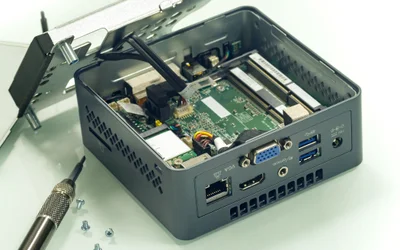
An examination of troubleshooting techniques for single board computer issues.
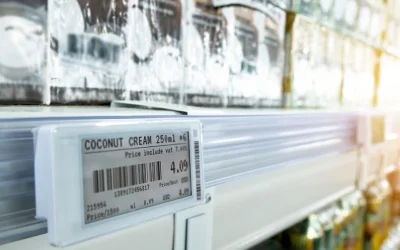
Electronic shelf labels (ESL) are connected, low-power ‘e-paper’ display devices that can replace traditional paper labels and can display text, numbers, icons, lines, barcodes and pictures. They enable retailers to automatically update individual shelf price labels from a central point across multiple stores and branches—or in certain geographic locations—at the touch of a button.

4 minutes read

MacroFab CEO Misha Govshteyn discusses the nuances of reshoring North American electronics manufacturing.

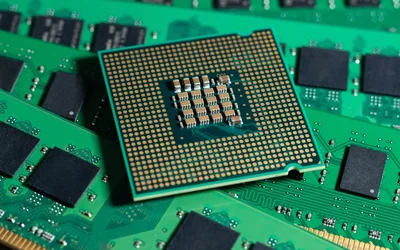
RISC-V, the groundbreaking open and customizable instruction set architecture (ISA), is transforming the world of microprocessors. Its exceptional flexibility empowers developers to craft processors precisely suited for their needs, setting it apart as the go-to choice for a diverse range of devices, from energy-efficient IoT gadgets to powerful servers.
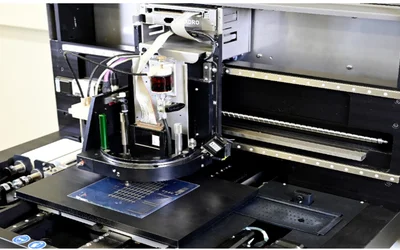
Advanced packaging of semiconductor-based sensors - specially on flexible substrates- brings very specific interconnection requirements. These often are related to a very narrow pitch of the interconnections or the fragility of the sensor. Learn how inkjet printing solves the issues

6 minutes read
Catching and rectifying defects early can save businesses time, effort, and capital, giving companies a competitive advantage.
7 minutes read
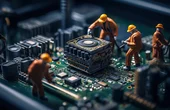
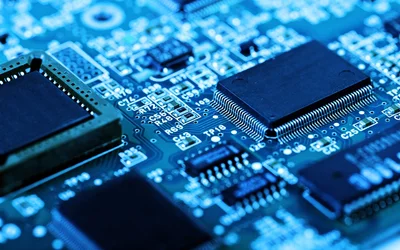
FR4, often called "fiberglass," quietly underpins our daily lives. Think about your electronics, from smartphones to car and appliance circuit boards. FR4 is the unsung hero behind the scenes, making them work smoothly and power our modern world.

Conversational AI enables machines to respond in a human-like manner. These intelligent systems are designed to understand intent and context, remember user preferences, and engage in meaningful conversations.

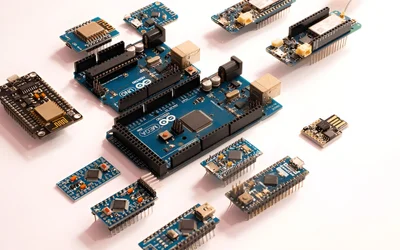
FPGAs are reconfigurable hardware used for parallel, high-speed processing, while microcontrollers are fixed-architecture chips designed for sequential, control-oriented tasks. FPGAs offer flexibility and performance MCUs provide low power, ease of use, and cost-efficiency.
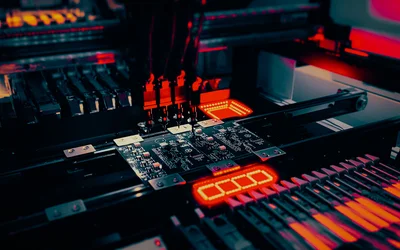
Enclosures can become heat traps, so thermal management is crucial.
4 minutes read

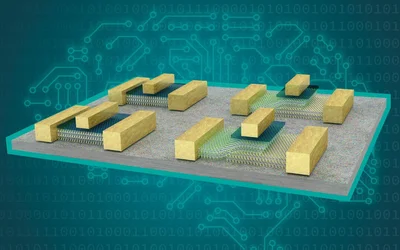
The fusion of 2D semiconductors and ferroelectric materials could lead to joint digital and analog information processing, with significant improvement in energy consumption, electronic device performance, and lead to novel functionalities.


Cody Endlich, MacroFab's head of strategic sourcing, discusses counterfeit PCBA parts and their impact on electronic builds, and how MacroFab has managed a zero percent failure rate for nonconformity or counterfeit parts.