




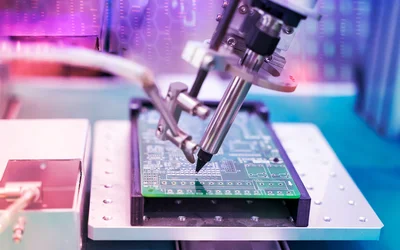
Artificial intelligence (AI) is providing an opportunity for the electronics industry to accelerate design and development and speed up part sourcing.
Be the first to know.
Get our electronics weekly email digest.
Tagged with
electronics
ORGANIZATIONS. SHAPING THE INDUSTRY.
Latest Posts

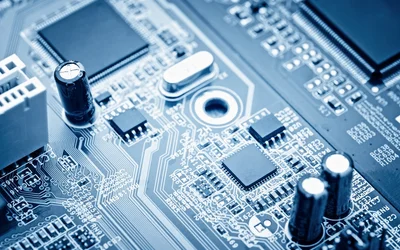
Understanding circuit board components is essential. It's key to creating and fixing gadgets in our tech-filled world. In this article, we’ll explore popular circuit board components and various techniques to identify them.


Parker and Stephen chat with James Lewis (aka the Bald Engineer) about constructing a functional computer based on the Apple II GS's Mega II chip, and also announce a contest sponsored by Mouser!

3 minutes read

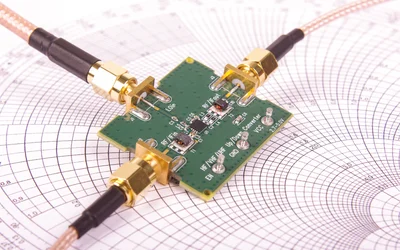
This article is a practical guide to RF PCB materials, controlled impedance, stackup design, manufacturing processes, signal integrity, and 5G mmWave techniques for achieving reliable, low-loss high-frequency performance.
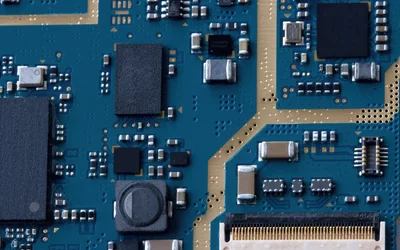
Understanding the need for Rigid PCB technology, capturing its manufacturing process and applications, and the innovations it has brought in modern electronics design and industrial manufacturing.

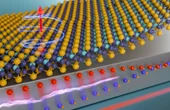
An MIT team precisely controlled an ultrathin magnet at room temperature, which could enable faster, more efficient processors and computer memories.
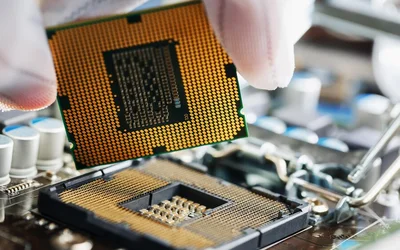
This article provides an in-depth exploration of the evolution, fundamental concepts, diverse types, operating principles, and practical applications of ASICs.

Startups in the hardware industry have an uphill battle to build a product that will break through in highly competitive markets. Only half survive beyond five years.
5 minutes read

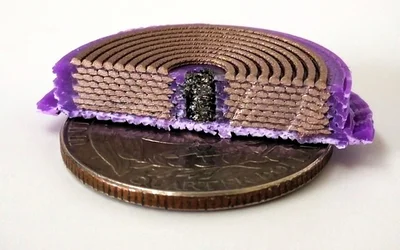
The printed solenoids could enable electronics that cost less and are easier to manufacture — on Earth or in space.

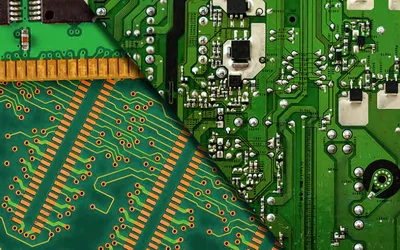
Traditional HASL uses lead, raising environmental concerns. But how does ENIG compare?
5 minutes read


Voltera’s V-One benchtop printer is revolutionizing how electronics are developed with in-house, one-hour PCB prototyping.


In the in-depth interview, PI Vice President of Marketing Doug Bailey explains GaN technology and the new possibilities it brings to the power conversion industry.

4 minutes read

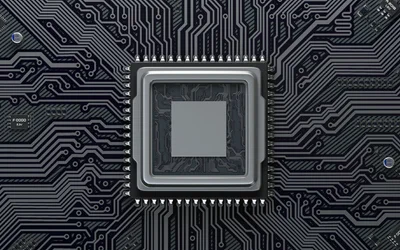
QFN packages are leadless and have short interconnects that reduce parasitic elements such as inductance and capacitance. How do they compare to other surface-mount ICs?
9 minutes read
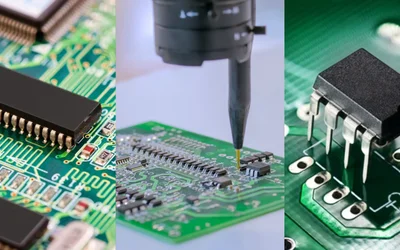
This detailed guide will cover the fundamentals of SMT vs SMD, and THT, exploring their working principle, advantages and disadvantages, comparative analysis, and choosing the right one for electronics assembly.
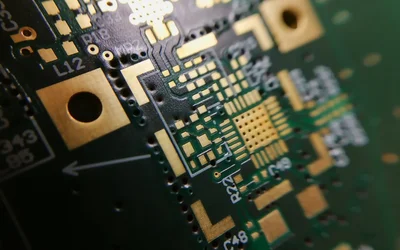
The Quad Flat No-leads (QFN) package is a type of surface-mount technology (SMT) in the electronics industry known for its compact size and high performance. This comprehensive guide explores its benefits (high performance), applications (mobile devices), and challenges (assembly, soldering).