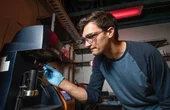

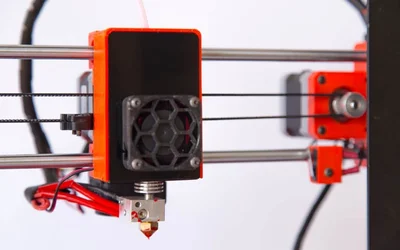
Temperature, nozzle clogs, and spring tension are just some of the leading causes of a clicking extruder. Learn how to troubleshoot this 3D printing issue and ensure more consistent prints.
Be the first to know.
Get our additive manufacturing weekly email digest.
Tagged with
additive manufacturing
ORGANIZATIONS. SHAPING THE INDUSTRY.


polySpectra
Additive Manufacturing
We help innovative engineers 3D print end-use components they can trust usi...
12 Posts

FACTUREE – The Online Manufacturer
Manufacturing | Procurement
The digital all-in-one solution for effortless procurement of custom parts
12 Posts
Latest Posts
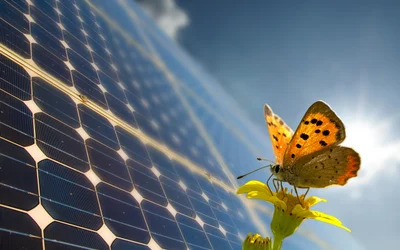
Inkjet printing is an extremely versatile, non-contact process that involves jetting tiny ink droplets to facilitate direct printing. It has seen a surge of new applications in fields including electronics, life science, optics, and PV.


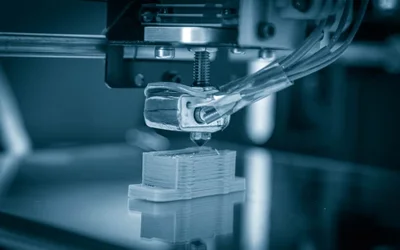
Unwanted lines in 3D prints can show up for many reasons and take different forms. Here we look at the most common types of lines in 3D prints and how to eliminate them.
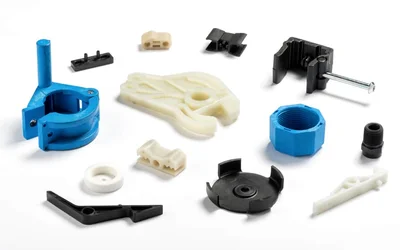
Most people consider 3D printing to be a prototyping process and injection molding to be a form of mass manufacturing. However, choosing between the two processes isn’t always straightforward.
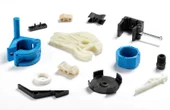
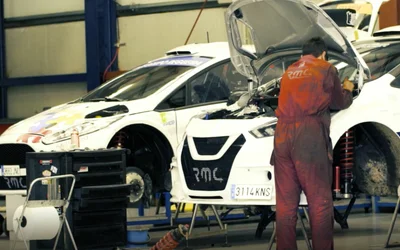
RMC Motorsport, an automotive company dedicated to the rally sector, has internalized & optimized internal processes and achieved greater design capacity by involving 3D printing technology in the manufacturing process of their rally cars.

3 minutes read

The CREATE Education Project and 3DGBIRE are pleased to announce that they are now partnered with WorldSkills UK to launch a new Additive Manufacturing competition category aimed at Post-16 students in education and training throughout the UK.


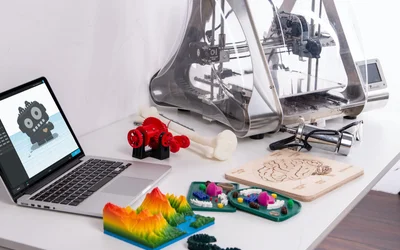
Although 3D printing was predicted to be more widespread than it has turned out to be, the technology is still undergoing enormous development. Senior Researcher David Bue is in charge of establishing DTU’s giant ‘3D printing playground’, where new records for miniature printing are currently being set.

6 minutes read
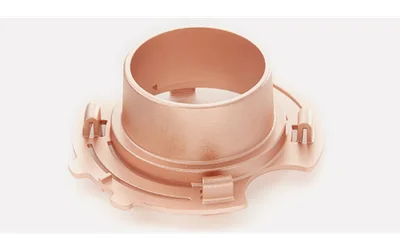
Parts turning to piles of rust? These materials can help you avoid the scourge of corrosion.

6 minutes read
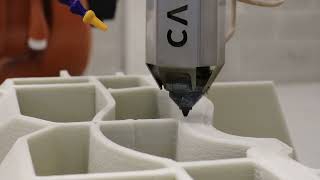
Large Format Additive Manufacturing can be game-changing in product and process optimization, contributing to fighting climate breakdown. For the project Demo4Green - 𝗥𝗔𝗥𝗲-𝗪𝗔𝗦𝗧𝗘, Caracol used recycled glass fibers and polypropylene to produce a lamination tool for micro wind turbines.

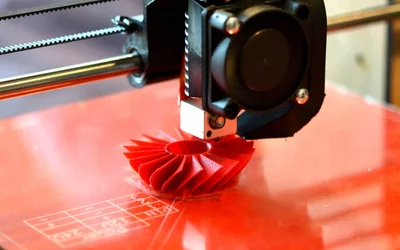
Fused filament fabrication (FFF) and fused deposition modeling (FDM) both refer to a type of extrusion 3D printing. So why the two terms?
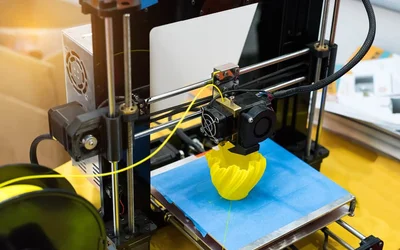
Understanding the differences and benefits of direct drive and bowden extrusion systems.
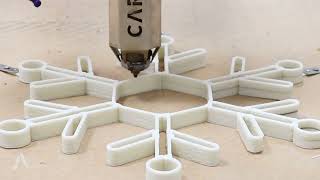
To send its Christmas wishes Caracol worked on a project that is representative of its values and work as an Additive Manufacturing company.
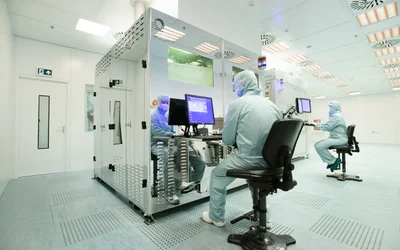
Electroforming is an additive manufacturing process specialized for the production of high precision metal parts. Its uniqueness is that you can grow metal parts atom by atom, providing extreme accuracy and high aspect ratios. Typical precision of a electroformed part goes down to 1 to 2 μm, which is beyond what most other manufacturing technologies can reach.
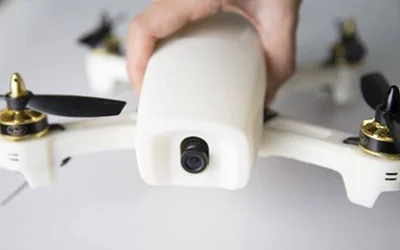
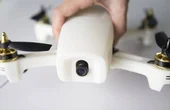
3D printing offers drone makers an agile and low-cost method of manufacturing.
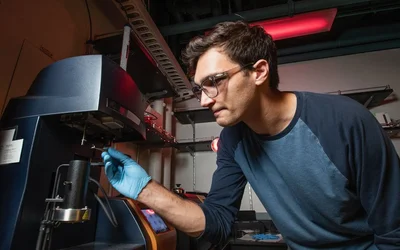
Engineers at Caltech have developed a method for 3-D printing pure and multicomponent metals, at a resolution that is, in some cases, an order of magnitude smaller than previously possible. The process, which uses water-based chemistry and 3-D printing, was described in a paper published in Nature on October 20.

3 minutes read