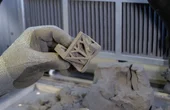

In plastic injection moulding, edgings and complete fabricated parts are made from metal wire mesh.

3 minutes read
Tagged with


Additive Manufacturing
We help innovative engineers 3D print end-use components they can trust usi...
12 Posts

Manufacturing | Procurement
The digital all-in-one solution for effortless procurement of custom parts
12 Posts
In plastic injection moulding, edgings and complete fabricated parts are made from metal wire mesh.
3 minutes read
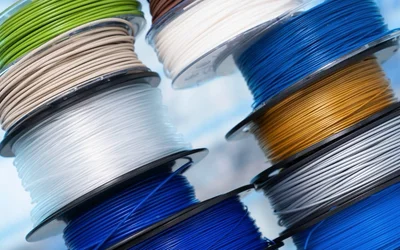
BigRep’s large-format 3D printers and 3D printing filaments are suited to high-performance engineering applications. To meet the diverse range of needs of these applications, BigRep’s filament range spans several materials with vastly different uses.
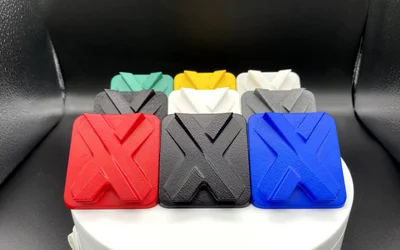
BigRep has a diverse material portfolio, comprising filaments optimized for its large-format 3D printers. The filaments are engineered to meet a variety of needs, whether you’re looking for a low-cost prototyping material like PLA, or an engineering-grade thermoplastic that can withstand more rugged use like HI-TEMP CF. In this article, we’re taking a closer look at one of BigRep’s most popular materials, Pro HT.
In this article we’re covering all you need to know about BigRep PLA, an easy-to-use filament that has been engineered to address the specific conditions and challenges of large-scale 3D printing. We’ll be looking at the material’s benefits, material properties, best practices, application areas, and more.
Either when you are buying a printer or using a platform, strong customer service is integral to the broader success of your 3D printing project.
Join the 3D Printing FGF Engineering Challenge and explore the possibilities of 3D Printing with granulates.
ABS is one of the most widely used thermoplastics in FDM 3D printing. Here we look at how to navigate ABS 3D printing in terms of slicer settings, post-processing, and more.
Manufacturing Futures Institute funds a biomanufacturing research project that could revolutionize microchip production for use in medical devices and engineered tissue.
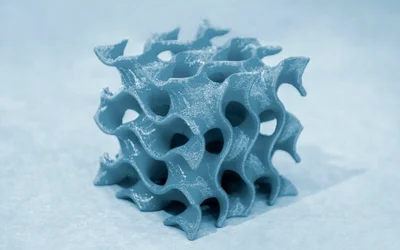
Known for its continuous 3D structure, the gyroid infill pattern is among the best for its strength-to-density ratio. The infill pattern is also highly rated for print speed. Let’s take a look at why that is.
Introducing the third article in a new series. 3D printing is helping to usher the trillion-dollar packaging industry into the future.
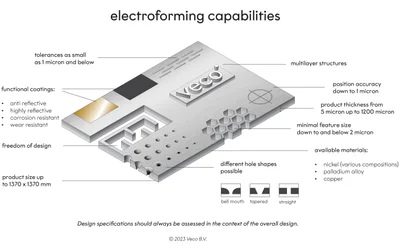
Electroforming is a versatile Additive Manufacturing process for the production of high-precision and complex metal parts. This article provides an overview of key features and capabilities that make Electroforming a crucial manufacturing technology for engineers to get acquainted with.

3 minutes read
With its ability to transform rough, layered surfaces into sleek, professional-grade finishes, vapour smoothing emerges as a game-changing post-processing technique in the realm of 3D printing. This article will dig into its specificities, benefits and applications.

6 minutes read
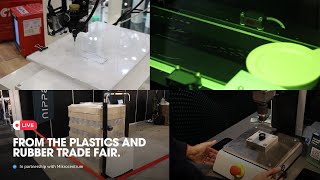
Wevolver attended the recent plastics innovation event. We bring you the highlights.
When it comes to Selective Laser Sintering (SLS), there are often barriers that prevent companies and users from venturing into this technology. In this article, we want to showcase the benefits of SLS and why this 3D printing process can be especially suitable for small businesses.

3 minutes read
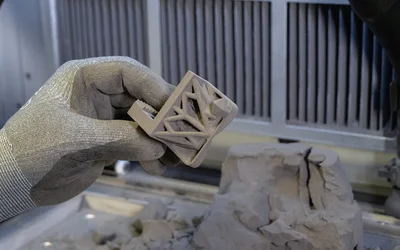
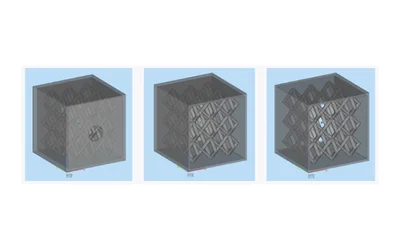
A powerful and versatile tool for engineers and 3D printing projects. Not only do lattice structures help make parts lighter and stronger, but they can also help reduce part volume, leading to fewer surface defects and excessive stress buildup. Learn how to use lattice structures in your 3D-printed parts without making a mesh of things with our design tip!

9 minutes read