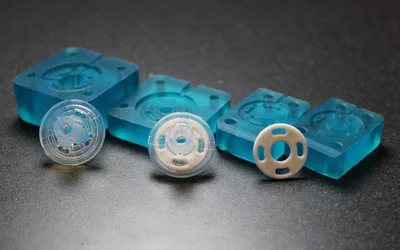
The applications of 3D printing span many industries, from aircraft fuel nozzles to dental aligners. Here we look at some of the most important uses of the technology.
AI-powered artificial muscles made from pliable materials are reshaping recovery, from stroke rehabilitation to prosthetic design. These machines help people regain motion, strength, and confidence.
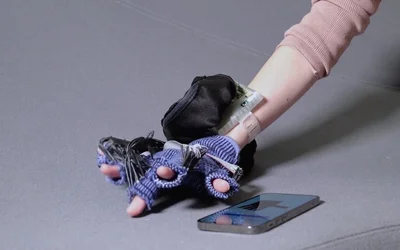
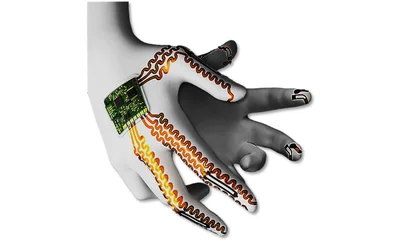
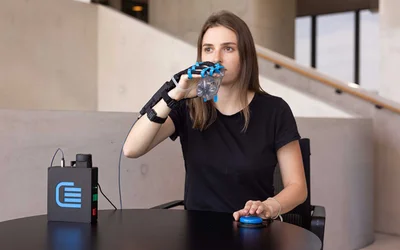
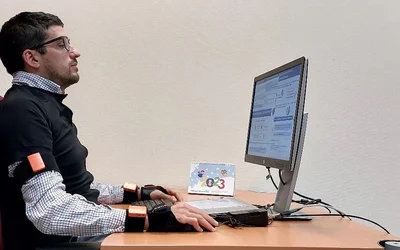
Researchers at ETH Zurich have developed an innovative hand exoskeleton that helps persons after stroke re-learn how to grasp. Its accordion-like structure makes it light, robust and easy to integrate into everyday life.
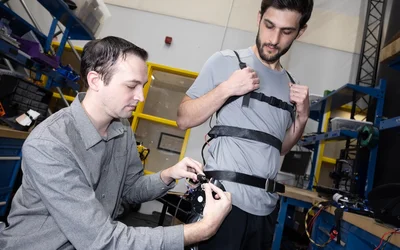
In this episode, we cover Harvard's soft wearable robot that learns a patient's intent and provides just-enough support, helping stroke and ALS patients regain independence in everyday tasks.
AI-powered artificial muscles made from pliable materials are reshaping recovery, from stroke rehabilitation to prosthetic design. These machines help people regain motion, strength, and confidence.
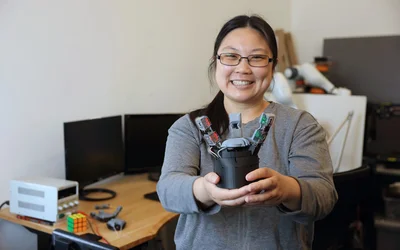
MIT CSAIL researchers enhance robotic precision with sophisticated tactile sensors in the palm and agile fingers, setting the stage for improvements in human-robot interaction and prosthetic technology.
In this episode, we explore the groundbreaking potential of an implantable device that promises a future without injections for diabetes control and we delve into the science, the impact on patients, and the promises it holds for a brighter future in diabetes care.
Researchers from ITMO University have created a multipurpose robot complex for laser treatment of medical device surfaces, like those of dental and skull implants. The designed technology can be utilized to imbue metal implants with antibacterial and biocompatible properties, as well as mark medical items. All one needs to do is load a 3D model of an implant into a program, set a processing trajectory, and pick a surface attribute of choice.
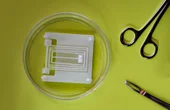
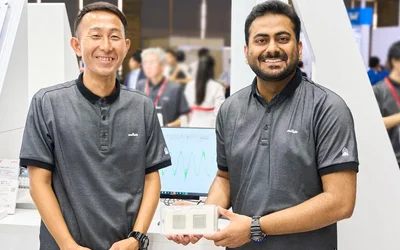
Caltech researchers have developed a wearable sensor that monitors estradiol by detecting its presence in sweat. The researchers say the sensor may one day make it easier for women to monitor their estradiol levels at home and in real time.
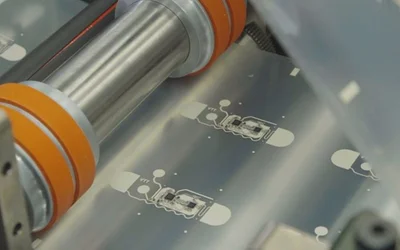
Kodak has a long history of manufacturing quality film products – starting with silver halide imaging films for consumers. Learn how Kodak is continuing that history, manufacturing a variety of industrial film products in many industries – from automotive to batteries to healthcare.
In response to the OKDo Engineering Challenge, Marcel Ochsendorf and Sebastian Kindorf developed a medical device that uses thermal imaging for remote patient monitoring. Their innovative project won the Wevolver Community Vote.
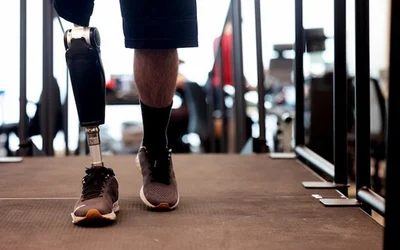
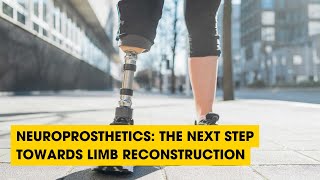
In a world often defined by disparities in healthcare access, Victoria Hand Project, a Canadian charity, is a beacon of hope. Founded in 2015 with the mission to provide accessible 3D-printed prosthetic care to under-resourced communities around the world, Victoria Hand Project has transformed lives by combining cutting-edge technology with compassionate outreach.
Embroidery was historically a means of adorning fabrics with intricate patterns,a testament to human skill.In the modern era, this ancient art form has significantly evolved, becoming a pioneering tech at the intersection of artistry & functionality. Learn here about Embroidered Electronics Textiles
Despite an enormous effort and a significant reduction in fatality rates, mining remains one of the most hazardous industries for workers. However, new technologies are starting a safety revolution, while simultaneously fueling the mining industry’s digital transformation.
Air Quality Indexes (AQIs) are used to measure the concentration of pollutants like particulate matter and other harmful substances in the air outside.
A positive shift is taking place towards more advanced and specific digital healthcare for women. The so-called ‘femtech’ (female technology) industry has belatedly begun to deliver on the promise of solutions using wireless connectivity to help address women’s health issues.
For millennia, physicians have been the first and last line of defence against illness and disease. But now through the development of digital therapeutics (DTx), technology pioneers are joining them in the battle to save lives and improve health outcomes for countless millions.