Unveiling the Duel of Digital Design - A Comprehensive Exploration of History, Syntax, and Applications of the two popular hardware description languages
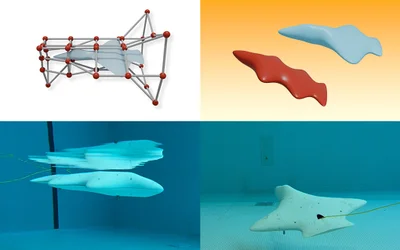
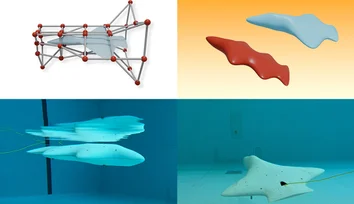
An AI pipeline developed by CSAIL researchers enables unique hydrodynamic designs for bodyboard-sized vehicles that glide underwater and could help scientists gather marine data.
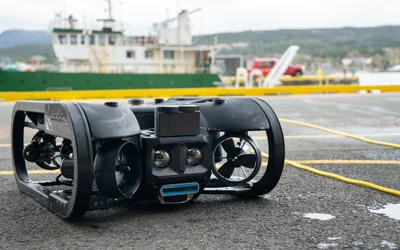
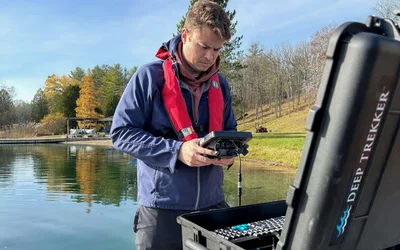
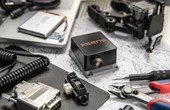
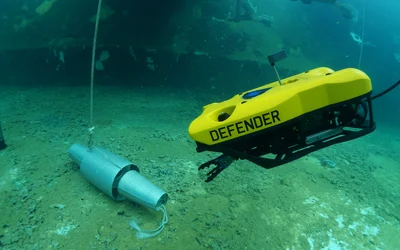
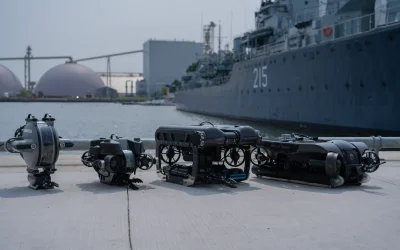
Discover how Deep Trekker rigorously tests and evaluates IMU technologies, comparing MEMS and FOG systems to ensure precise underwater navigation for ROVs.
Discover the vital role of underwater positioning in marine science, and how remotely operated vehicles (ROVs) are leading the way in location tracking.
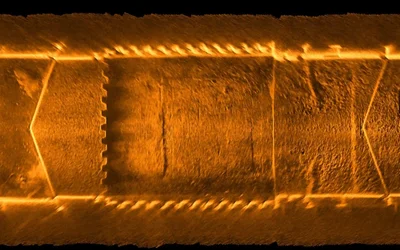
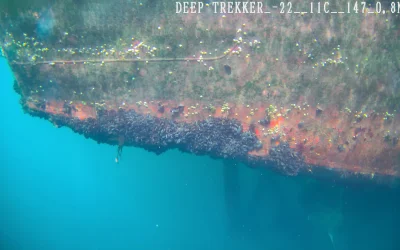
Explore 2D sonar mosaic mapping with Deep Trekker ROVs to create detailed underwater views for inspecting dams, canals, and tunnels in low-visibility waters.
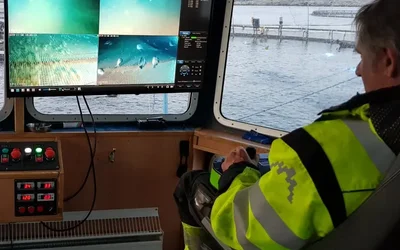
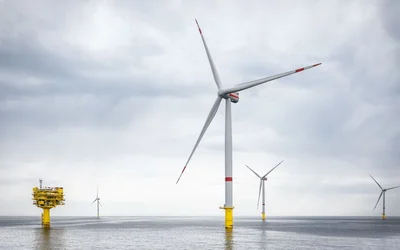
Sustainable monitoring of the marine environment is crucial for the environmentally responsible operation of offshore wind farms and the protection of biodiversity. In the SeaMe project, RWE together with research partners to develop innovative technologies for comprehensive ecosystem monitoring.
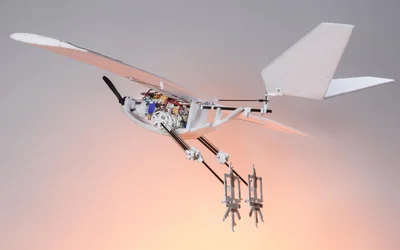
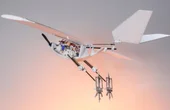
EPFL researchers have built a drone that can walk, hop, and jump into flight with the aid of birdlike legs, greatly expanding the range of potential environments accessible to unmanned aerial vehicles.
Discover the essential role of underwater positioning, and how remotely operated vehicles are advancing accuracy in underwater inspections and surveys.
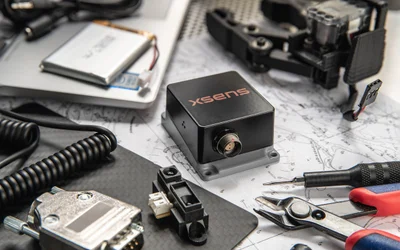
This article introduces two sensing products. One enables wireless monitoring of water leaks, while the other allows monitoring of humidity and temperature in critical electronics.
In this episode, we explore how AI can help aerial vehicles adjust to extreme turbulence in real-time and enhance safety/stability, even in challenging driving conditions.