Featuredpodcast
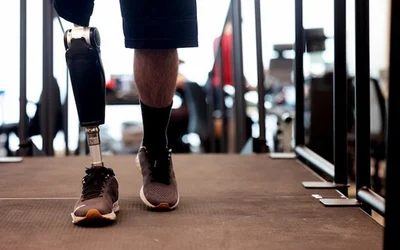
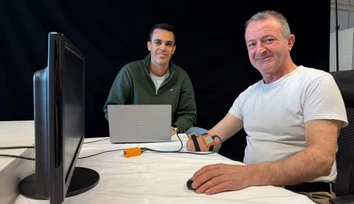
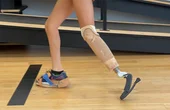
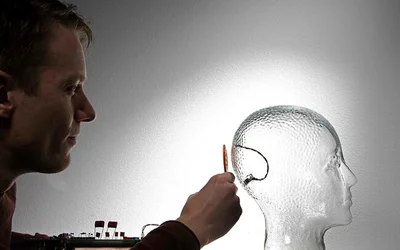
In this episode, we discuss the accidental discovery of how amputees can sense temperature in their phantom limbs and how EPFL researchers have exploited this to develop the first generation of prosthetics that can feel.
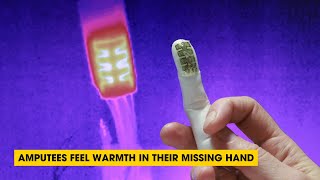
In this episode, we discuss the accidental discovery of how amputees can sense temperature in their phantom limbs and how EPFL researchers have exploited this to develop the first generation of prosthetics that can feel.
In this episode, we discuss the accidental discovery of how amputees can sense temperature in their phantom limbs and how EPFL researchers have exploited this to develop the first generation of prosthetics that can feel.
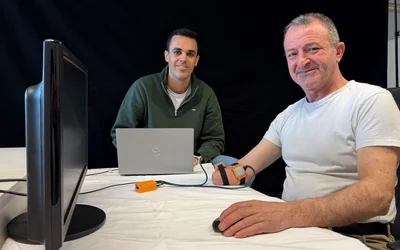
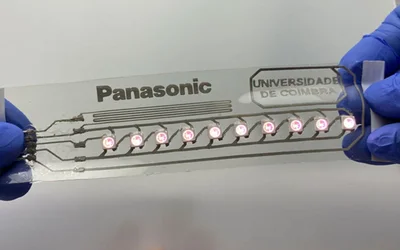
A washable wearable biometric device using printed electronics technology provides real-time data for telemedicine. Integrated into a sleeve, the sensors monitor muscle activity. The data, transmitted to an online platform, facilitates remote health monitoring.
A DTU startup has developed a new sensor for monitoring patients in an easier, smarter, and better way, with major potential socio-economic benefits.
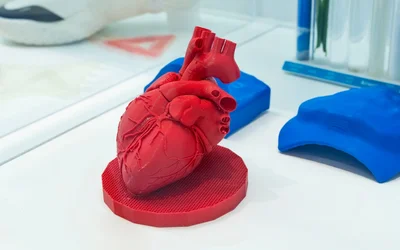
A technical analysis of 3D printing in healthcare, covering materials, clinical applications, and regulatory considerations for engineers.
18 minutes read.


High Tech
High Tech Campus Eindhoven is Europe's smartest square km and has the ultimate high-tech open innovation ecosystem.
49 Posts


Appliances, Electrical, and Electronics Manufacturing
Scalable, Cost-Effective, Protective Coating Services
Have you exercised today? How about training together with a robot? Please use robots in a friendly and safe manner, and keep a safe distance.
In this episode, we explore the engineering behind Unitree's newest boxing robot demo, the history of humanoid robots, and why robotics might create a new F1-esque sport in the combat sports realm.
Unitree welcomes users and developers worldwide to co-develop and share together. Exceptional developers will receive rewards. 转写文稿
Unitree 1.8m H2 Humanoid Robot, A Combat Sparring Test. H2's knee strike lifts G1 off the ground. This is to validate the overall reliability of the robot, please do not attempt to replicate this. Please use robots in a friendly manner.
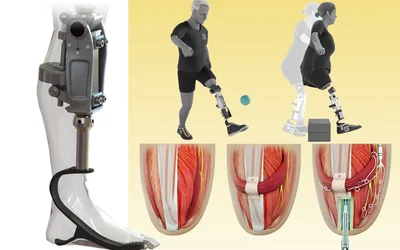
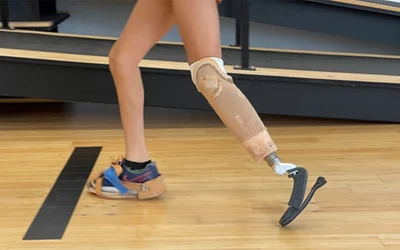
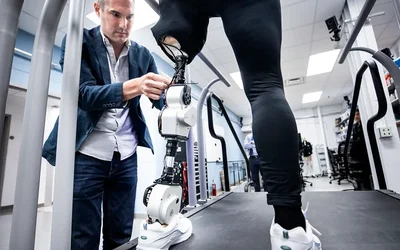
Paired with custom control software, Össur's powered knee prosthesis helped study participants sit, stand and walk more easily.
The human determinants of research are key for making progress, as championed by amputee Massimo Munzi who is helping improve prosthetics, as well as EPFL's neuroprosthetic researcher Jonathan Muheim.
In a small clinical study, users of this prosthesis navigated more easily and said the limb felt more like part of their body.
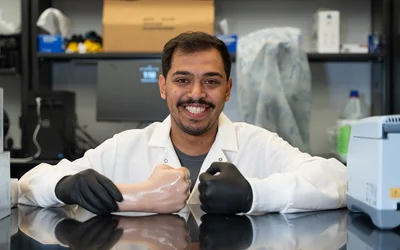
In a new study, Texas A&M researchers have used a skin-like material as a platform for investigating infections from intravenous catheters.
In this episode, we discuss the accidental discovery of how amputees can sense temperature in their phantom limbs and how EPFL researchers have exploited this to develop the first generation of prosthetics that can feel.

13 minutes read
A washable wearable biometric device using printed electronics technology provides real-time data for telemedicine. Integrated into a sleeve, the sensors monitor muscle activity. The data, transmitted to an online platform, facilitates remote health monitoring.

5 minutes read
A DTU startup has developed a new sensor for monitoring patients in an easier, smarter, and better way, with major potential socio-economic benefits.

5 minutes read
Protolabs’ expertise supported the fine tuning and optimisation of the design, to align with the projects speed and cost-effective requirements.
Research from elite athletes informs the design of these robust and adaptable prosthetics. We interview researcher Tijmen Seignette, about his ambitions to change how we approach prosthetic design.
TechBlick's presentation reviews printed electronics' industrial applications, dispelling the notion that it's solely a technology of the future. The talk showcases various commercial success stories incl. photovoltaics, displays, sensors, HMIs, 3D electronics, MLCCs, PCBs, semicon packaging, etc
A novel stretchable film has been developed for soft & stretchable circuit / electronic solutions, outperforming existing films like TPU. Here you can learn about case studies showcasing its potential in pliable PCBs, stretchable hybrid PCBs, and truly stretchable electronics.
3 minutes read
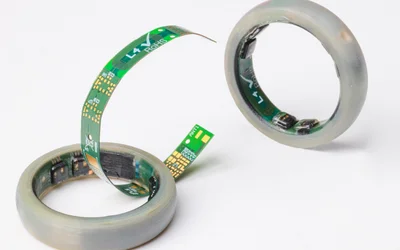
Senbiosys, an EPFL spin-off, has unveiled a jewelry-like smart ring that incorporates all the health-monitoring features currently available in smart watches. The company’s notable achievement in miniaturization – made possible thanks to the world’s smallest sensor, developed at EPFL – appears to have major market potential, as its recent crowdfunding campaign raised five times more capital than expected.

4 minutes read
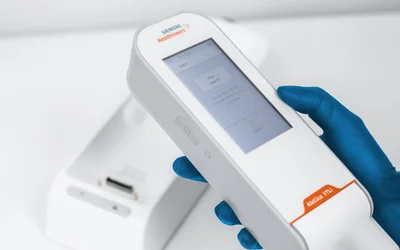
Imagine going to the hospital with symptoms of a heart attack, only to wait an hour for the test results and treatment. With each minute ticking by, your health is in jeopardy. Siemens Healthineers is now rewriting what is possible and has set out to change this scenario in emergency departments across the world.

4 minutes read
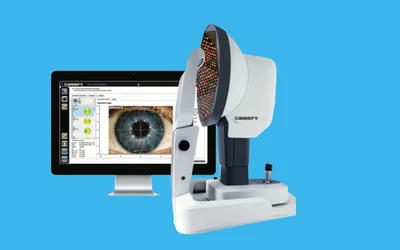
A rapidly-growing European medical device firm was looking for a partner for their high-end eye diagnostics device. Annual demand for this product is hundreds of units, with a design that could require modifications in order to respond to the changing market needs.

4 minutes read
Tom van Nunen defended his thesis at the department of Electrical Engineering on February 8th, 2023.
A dive into how AI is helping overcome limitations with current prosthetics by offering improved signal decoding, functionality and more intuitive control.
3D printed parts helped Endoscope-I save both time and money throughout their product development phase.

8 minutes read
Choosing a material for new Medical Device Development can have a major influence throughout your medical device life cycle, from design, prototyping, testing, regulatory approvals, and mass production to commercialization and even disposal. Every material has certain characteristics, which should be in consistent with the properties of the medical device as well as final applications.
2 minutes read
There’s a lot to think about when it comes to plastics for medical parts. At the top of the list are safety and, for parts going inside the body, longevity. So, which is the best to choose for your application?
5 minutes read