3D Scanning

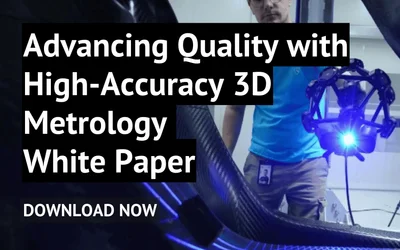
This white paper explores the increasing need for high-precision metrology in highly regulated industries such as automotive and civil aviation.

Fullermoto cut down production time to 25% compared to traditional production method by adopting the scan to print workflow
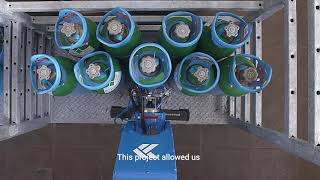
A prototype of an efficient mobile manipulator robot to automate the internal logistics of preparing gas cylinders baskets. The procedure is currently performed manually.
Engineers Wiki. Most Asked Questions.
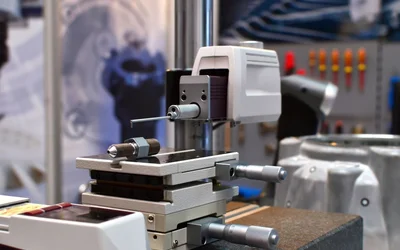
Measuring surface roughness allows metrologists to establish the roughness of a surface for quality control or other purposes. But how exactly is it done?
Point clouds explained: scanning, processing, 3D models
7 minutes read.
ORGANIZATIONS. SHAPING THE INDUSTRY.



SHINING 3D
3D Scanning & 3D Inspection
SHINING 3D is the global 3d digitiziting technology solution provider, empo...
10 Posts

Scanology
3D Measurement & Digitization
An industrial metrology brand focused on high-precision 3D measurement solu...

TAGGED WITH laser scanners
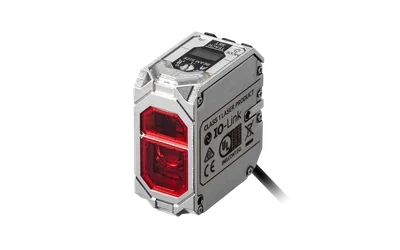
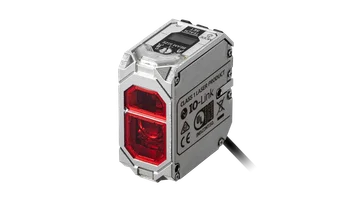
Conventional photoelectric sensors used for object detection and distance measurement can struggle with dark, glossy, or irregular targets because they rely on light intensity. Time-of-flight laser sensors overcome these challenges by using distance-based sensing instead.
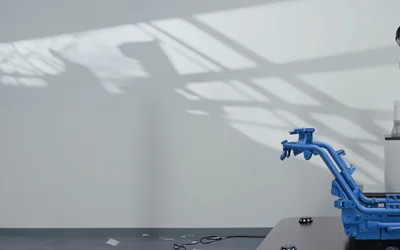
Why traditional inspection can no longer keep pace with modern automotive production, and what to do about it

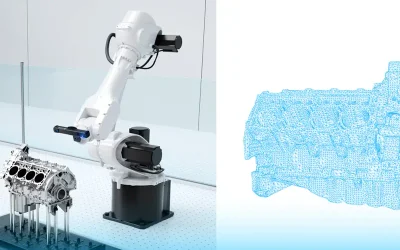
Physics Behind the Blue Laser Advantage
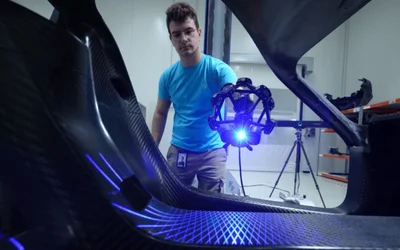
Learn how Shining3D is driving precision in automotive and civil aviation.
Latest Posts
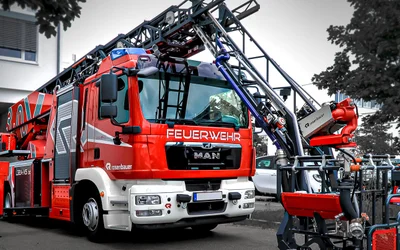
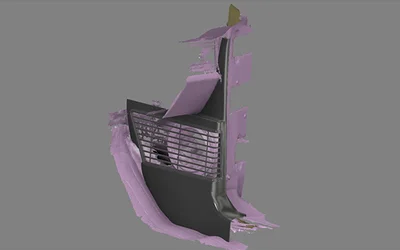
Customization of a Rosenbauer Firetruck with EinScan Pro HD

3 minutes read
Fullermoto cut down production time to 25% compared to traditional production method by adopting the scan to print workflow
2 minutes read
A prototype of an efficient mobile manipulator robot to automate the internal logistics of preparing gas cylinders baskets. The procedure is currently performed manually.


Founded in 1985, the company from Hamminkeln in the Lower Rhine region specializes in the retrofitting of Harley-Davidson motorcycles (custom bikes) and operates a roadhouse on its premises, which has become the place to be for Harley fans in Germany.

2 minutes read

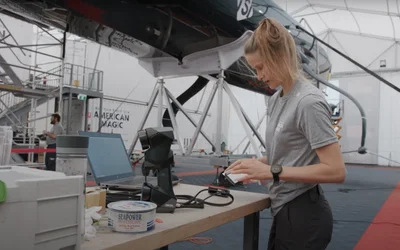
The design team for the New York Yacht Club’s American Magic, the US Challenger for the 36th Americas Cup, is continuing to drive innovations to its 75-foot monohull in final push before the race in Auckland, New Zealand, in March 2021.
2 minutes read
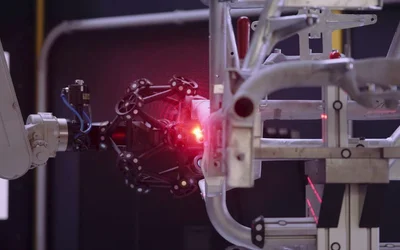
With the constant pressure put on the market, both from the customers and competitors, the need to increase speed, efficiency and productivity is pushing many transport and automotive companies to switch to automated quality control.
2 minutes read

The Chair for Aerospace Systems is an integrating chair dealing with the aircraft in its entirety and the integration within civil and/or military aviation.
3 minutes read

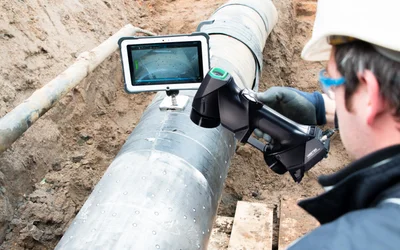
The oil and gas industry is facing mounting and constant pressure from governments, regulatory bodies, environmental groups and citizens alike as concerns rise about the safety of both new and aging pipeline networks.
4 minutes read


R-Lab is a digital fabrication center that helps craftsmen, artists, designers, and architects who would like to have a flexible, quick and affordable solution of fabricating their models, prototypes and small series of products.
2 minutes read

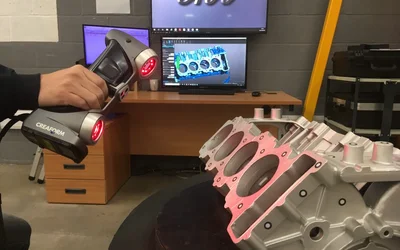
If you speak to anybody from the world of motorsport about engines and transmissions, there is one name that is immediately associated with casting design and rapid prototyping – Grainger & Worrall
3 minutes read
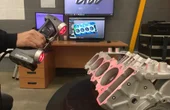
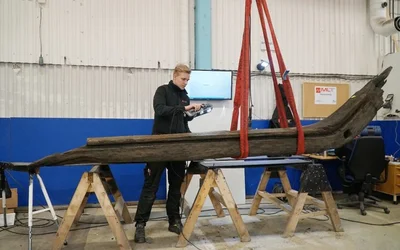
Archaeologists have the delicate task of preserving cultural heritage and furthering their knowledge about history. They need to get information about past construction methods and product usage.
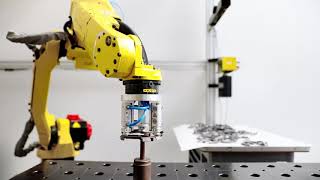
Picking of metallic objects belongs to one of the most commonly solved problems within the automation. This solution enables the automation of parts picking and their precise placing to a predefined location within the desired cycle time.
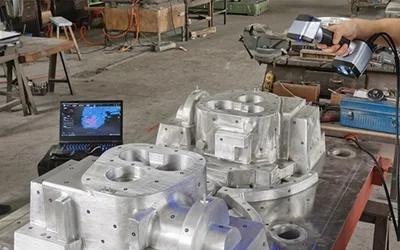
3D scanning technology has radically improved to now offer immense value in applications as diverse as reverse engineering to contactless dentistry.
7 minutes read
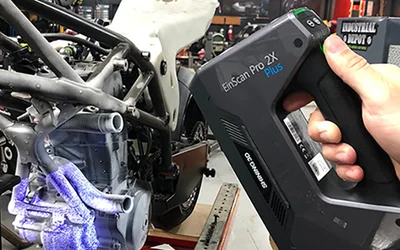
Art, culture and the craft of metal – Bryan Fuller's automotive and motorcycle design and customization shop 'Fuller Moto' inspires, educates and entertains those with a creative spirit and a do-it-yourself attitude and combines all these aspects together by creating 'rolling works of art'.
3 minutes read
To date the huge demand for customized products confronts businesses and professionals from a broad array of industries with the question: how can customized products be designed accurately, effectively and at reasonable cost?