Be the first to know.
Get our wearables  weekly email digest.

Tagged with

wearables

ORGANIZATIONS.

SHAPING THE INDUSTRY.

Movella

Appliances, Electrical, and Electronics Manufacturing

Movella | Xsens digitizes movement.

47 Posts

Syntiant

Electronics

Moving AI and machine learning from the cloud to edge devices.

13 Posts

Ambiq

Semiconductor Manufacturing

Enabling Edge AI

Latest Posts

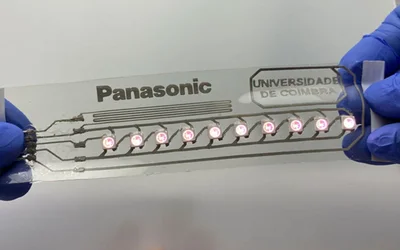
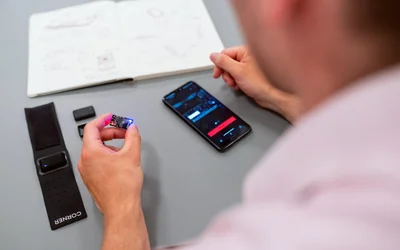
PCBA design capabilities are crucial to the future of wearable technology. Wearables and PCBA design are inextricably linked since both have a significant influence on each other. As wearable devices become more popular, electronics designers and manufacturers are designing smaller, denser, and more flexible devices.

Impact of Wearables on PCBA Design: Their Past and Future

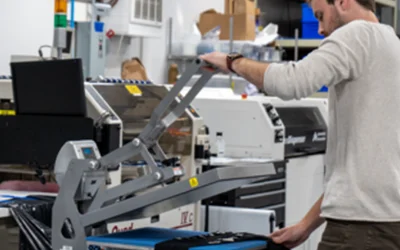
As wearable electronic devices continue to be more prevalent, it becomes an ever-greater challenge for companies that manufacture them to keep their competitive edge. It is vitally important for manufacturers that each device is effective, cost-efficient and reflects the highest quality available.

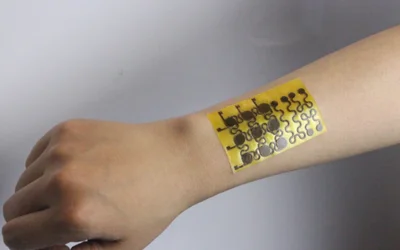
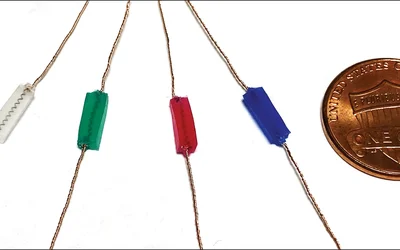
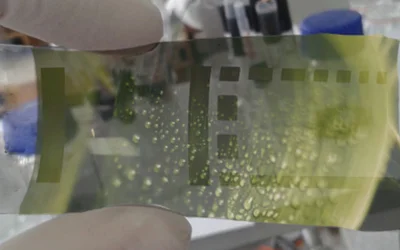
Mass producing wearable biosensors

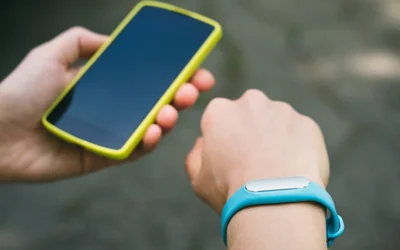
Article #2 of the "Why Edge?" Series. Edge AI increases battery life, reduces latency, and in many cases, eliminates the need for cloud communication, making wearable devices more user-friendly and secure.

Why Edge AI for Wearables?

Sometimes manufacturers would like to install heating in objects that are difficult to heat. The armrest of your car. Your sporty winter coat. Bags for food delivery. Sleeping bags. etc This has been difficult to achieve until now. Read more about printed heater technology

The advantages and functioning of PTC heaters

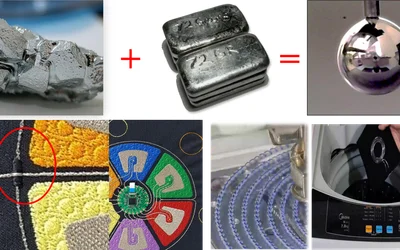
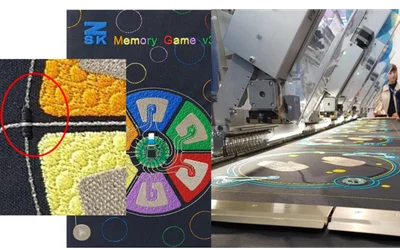
Wearable electronic textiles are a demanding environment for reliable interconnects – the ability to function with movement and survive multiple cleanings and reuse. Good adhesion is particularly challenging in these wearable and conformable electronics applications. While solders provide the most conductive electrical connection, they are rigid and require not only the addition of an underfill adhesive but usually a post bond encapsulation. This Anisotropic Conductive Epoxy, provides reliable interconnections between electronic components and circuitry on textiles with excellent structural bonding, without encapsulation, even under repeated stretching and washings. This technology has been shown as a scalable assembly process for e-Textile manufacturing in an SMT line.

Reliable, Scalable, Anisotropic Interconnect Solution for Wearable Electronics