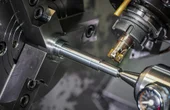
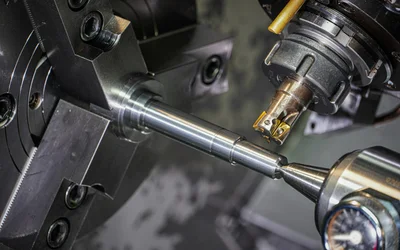
Optimize part design to reduce CNC machining time and cost

3 minutes read
Tagged with
Materials Engineering
Mitsubishi Chemical Advanced Materials is a leading global manufacturer of high-performance materials in the form of semi-finished...
31 Posts

Robotics and Drones
We empower R&D by providing the computational power, ROS packages, payloads...
14 Posts

Rapid Manufacturing
WayKen is a rapid manufacturer, specializing in rapid prototyping and low v...
4 Posts
Large-volume3D printing
Massivit 3D Printing Technologies Ltd. is a leading manufacturer of large-v...
3 Posts
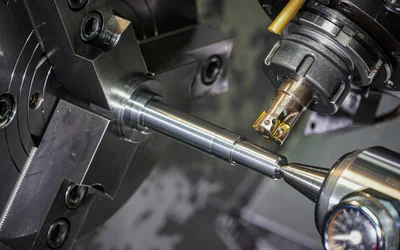
Optimize part design to reduce CNC machining time and cost
3 minutes read
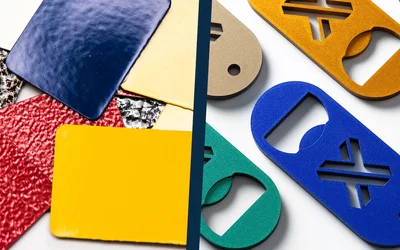
In a world where quality and durability are paramount, selecting the right finish for an aluminium surface is more than a mere aesthetic choice. This article aims to clear the fog by providing a head-to-head comparison of powder coating and anodising processes.

5 minutes read
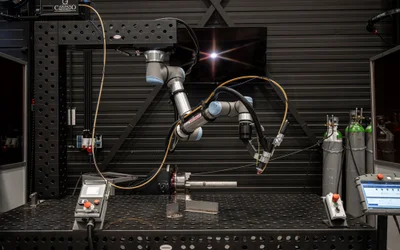
Dutch welding solutions specialist Elektrolas uses the UltiMaker S5 ProBundle to minimize machine downtimes and facilitate cobot welding for its customers.
Explore black anodising, a key finish in manufacturing, and gain insights into the detailed process from pre-treatment to sealing. Understand its practical applications in industries such as aerospace and robotics, known for its durability and corrosion resistance in components.
4 minutes read
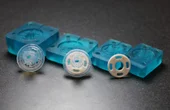
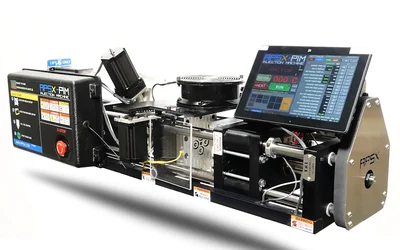
Research institute adopts Freeform Injection Molding to provide rapid prototyping of complex metal parts

3 minutes read
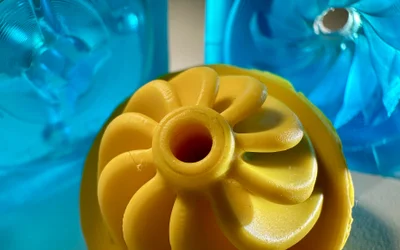
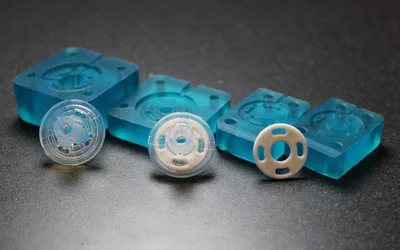
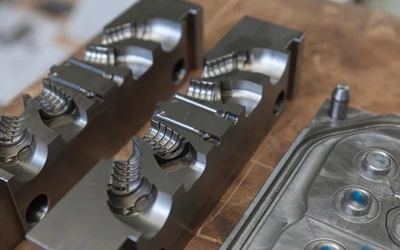
Are your iterations for the traditional injection mold making too costly and time consuming for a new part you are developing? You are also not 100% sure if this part design is your final design.
Are you a manufacturer looking to streamline your production process while saving costs?
Medical device manufacturer adopts Nexa3D’s FIM process to shorten times-to-market on complex medical devices
4 minutes read
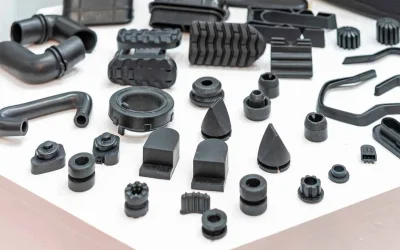
In the world of plastic manufacturing, injection molding is a widely used process for creating high-quality, precise plastic parts.
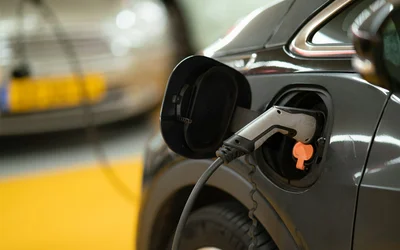
According to the Global EV Outlook from IEA, the EV stock reaches 145 million in 2030, accounting for 7% of the road vehicle fleet. However, one of the main challenges facing EVs is the battery, which determines the performance, range, safety, and cost of the vehicle.
2 minutes read
This article will describe the similarities and differences between injection moulding and compression moulding to help you determine which process is best for your project in terms of the manufacturing process, materials used, and production rates.
5 minutes read
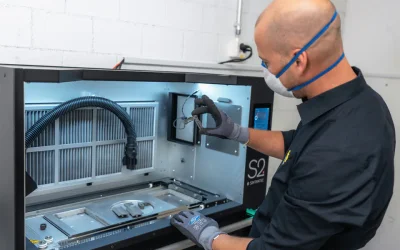
At a Polish branch of TI Fluid Systems, functional prototypes and spare parts for the automotive industry are selectively laser sintered. Using a Sintratec S2, Paweł Pułtorak’s team prints precise and complex parts to validate their designs.

3 minutes read
This article sums up everything you need to know about compression moulding: how it works as a manufacturing process, the suitable materials, its benefits, limitations and applications.
6 minutes read
RPWORLD offers one-stop shop solution for product development, prototyping, and production, whether it is for low or high volumes.
2 minutes read
At Eschbal, a Swiss manufacturer of window systems, prototypes, small series and production tools are additively manufactured. To this end, the technical department around Michael Ebnöther successfully uses a Sintratec S2.
4 minutes read