


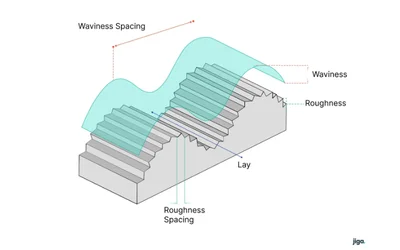
Surface finish standards establish a common language that upholds uniformity and accuracy.
Be the first to know.
Get our product design weekly email digest.
Tagged with
product design
ORGANIZATIONS. SHAPING THE INDUSTRY.


SHINING 3D
3D Scanning & 3D Inspection
SHINING 3D is the global 3d digitiziting technology solution provider, empo...
10 Posts
Latest Posts


In this video we look at material properties and considerations when designing your part. Focusing on the four groups that most characteristics fall into: mechanical, physical, thermal and electrical.

4 minutes read
Quality is everyone's responsibility

6 minutes read

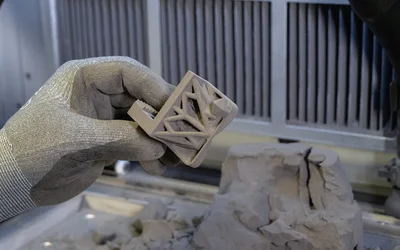
When it comes to Selective Laser Sintering (SLS), there are often barriers that prevent companies and users from venturing into this technology. In this article, we want to showcase the benefits of SLS and why this 3D printing process can be especially suitable for small businesses.

3 minutes read
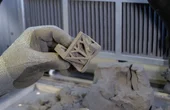
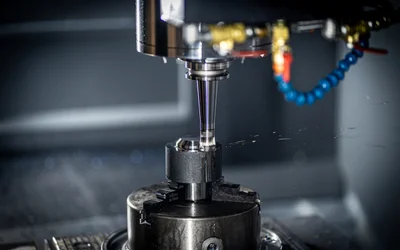
By keeping in mind the following six easily overlooked considerations in CNC part design, you can unlock a world of possibilities and maximize the potential of your designs.

3 minutes read

Article #3 of The Engineer’s Guide to 3D Printing with Wear-Resistant Plastic Materials.

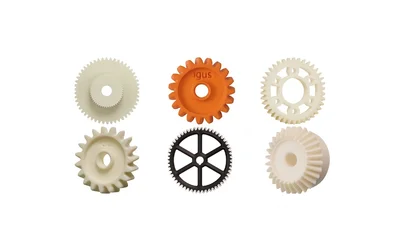
Article #1 of The Engineer’s Guide to 3D Printing with Wear-Resistant Plastic Materials.
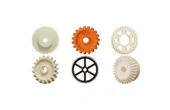
A comprehensive introduction to 3D printing with wear-resistant plastics, exploring their origin, benefits, and the technologies available to print with them.
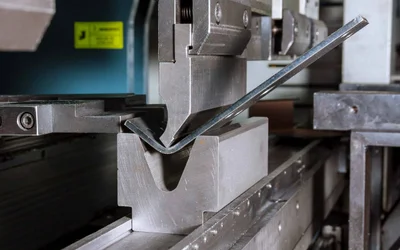
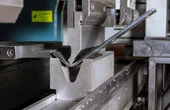
This article will give you 10 essential tips to create a perfect design for a sheet metal part using bending technologies.

5 minutes read
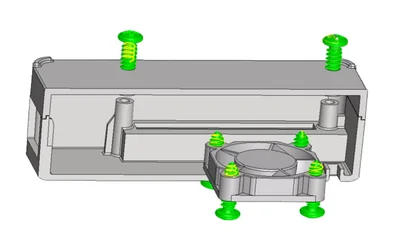
Design for Assembly is a systematic approach to optimize product design to streamline the assembly process earlier and more thoroughly.
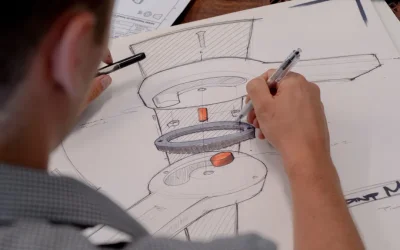
InDro Robotics expands with InDro Forge

5 minutes read
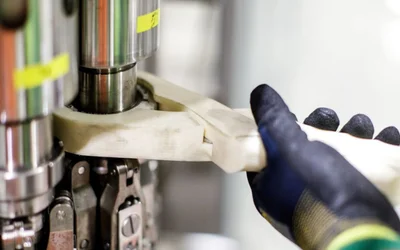
Heineken has been using 3D printing to improve production efficiency, employee safety, and maintenance processes.

Catching and rectifying defects early can save businesses time, effort, and capital, giving companies a competitive advantage.
7 minutes read

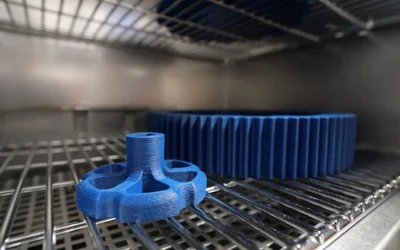
3D printing offers a world of possibilities for creating functional parts that are more affordable and customizable than those made with traditional manufacturing techniques. However, you have to be careful to match the material you are printing to your specific performance requirements. The recently released UltiMaker PET CF is a carbon fiber composite material that has impressive strength, stiffness, and heat resistance properties, making it perfect for creating high-performance parts.

5 minutes read
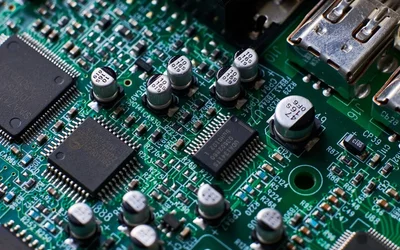
Unveiling the Duel of Digital Design - A Comprehensive Exploration of History, Syntax, and Applications of the two popular hardware description languages