Featured
AI is transforming healthcare by enhancing diagnostic accuracy, optimizing patient care, and improving treatment outcomes, while also necessitating careful consideration of ethics, privacy, and data security.
AI is transforming healthcare by enhancing diagnostic accuracy, optimizing patient care, and improving treatment outcomes, while also necessitating careful consideration of ethics, privacy, and data security.
AI is transforming healthcare by enhancing diagnostic accuracy, optimizing patient care, and improving treatment outcomes, while also necessitating careful consideration of ethics, privacy, and data security.
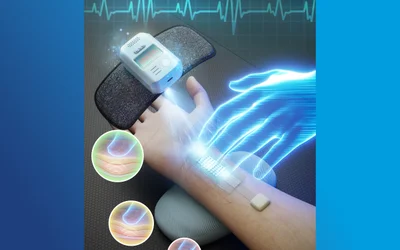
A team led by Penn State researchers looked first not to the future, but back — to principles of pulse monitoring in traditional Chinese medicine, first described more than 3,000 years ago.
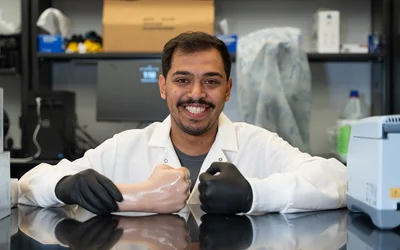
In a new study, Texas A&M researchers have used a skin-like material as a platform for investigating infections from intravenous catheters.
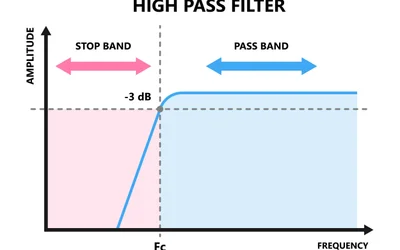
Active high-pass filters remove unwanted low-frequency signals while preserving useful higher frequencies. This article covers first- and second-order filter design, Sallen-Key and multiple-feedback topologies, and practical applications in audio electronics, instrumentation, and signal processing.
16 minutes read.
15 minutes read.
19 minutes read.
12 minutes read.
14 minutes read.


Entertainment
The Next Byte Podcast is hosted by two young engineers - Daniel and Farbod - who select the most interesting tech/engineering cont...
165 Posts

High Tech
High Tech Campus Eindhoven is Europe's smartest square km and has the ultim...
49 Posts

University for science and technology
Freedom and individual responsibility, entrepreneurial spirit and open-min...
43 Posts

University
At the Harvard John A. Paulson School of Engineering and Applied Sciences (...
42 Posts
with Xsens motion capture
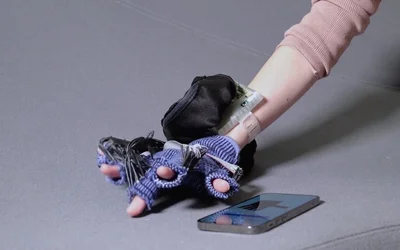
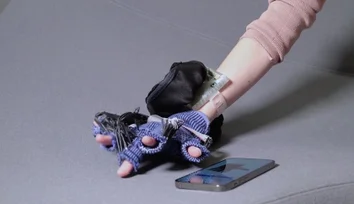
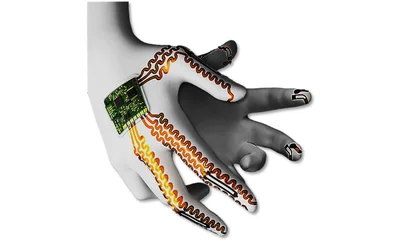
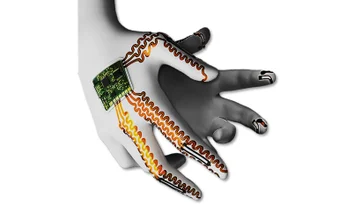
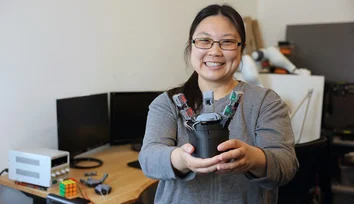
A new glove with more than three dozen actuators across all five fingers and the palm, developed by Cornell researchers, aims to reduce swelling for people suffering from edema.
AI-powered artificial muscles made from pliable materials are reshaping recovery, from stroke rehabilitation to prosthetic design. These machines help people regain motion, strength, and confidence.
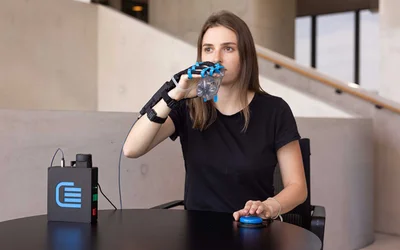
Researchers at ETH Zurich have developed an innovative hand exoskeleton that helps persons after stroke re-learn how to grasp. Its accordion-like structure makes it light, robust and easy to integrate into everyday life.
AI-powered artificial muscles made from pliable materials are reshaping recovery, from stroke rehabilitation to prosthetic design. These machines help people regain motion, strength, and confidence.
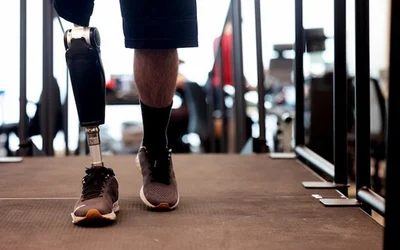
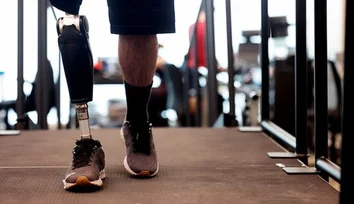
Paired with custom control software, Össur's powered knee prosthesis helped study participants sit, stand and walk more easily.
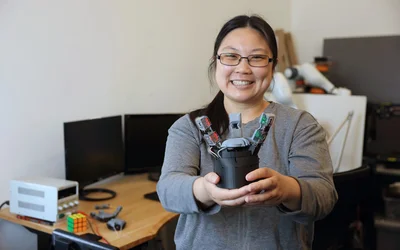
MIT CSAIL researchers enhance robotic precision with sophisticated tactile sensors in the palm and agile fingers, setting the stage for improvements in human-robot interaction and prosthetic technology.
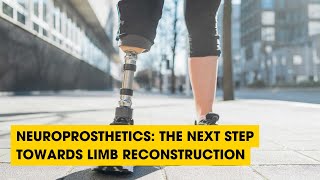
In this episode, we discuss a breakthrough from ETH Zurich to mimic natural foot signals to the brain using state of the art neuroprosthetics.
AI is transforming healthcare by enhancing diagnostic accuracy, optimizing patient care, and improving treatment outcomes, while also necessitating careful consideration of ethics, privacy, and data security.
A team led by Penn State researchers looked first not to the future, but back — to principles of pulse monitoring in traditional Chinese medicine, first described more than 3,000 years ago.

3 minutes read
In a new study, Texas A&M researchers have used a skin-like material as a platform for investigating infections from intravenous catheters.

3 minutes read
The italian company MDE shows how they are using metal 3D printing in their daily business.

A tiny, four-fingered “hand” folded from a single piece of DNA can pick up the virus that causes COVID-19 for highly sensitive rapid detection and can even block viral particles from entering cells to infect them, University of Illinois Urbana-Champaign researchers report.

4 minutes read
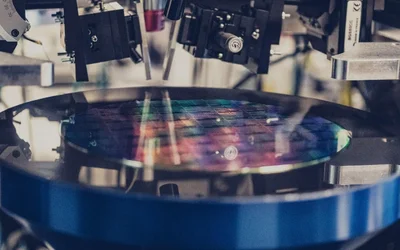
There has been a growing interest in research and commercial applications for PICs for various markets, including medical technology (MedTech), as they offer compact optical solutions at a low cost when mass-produced.
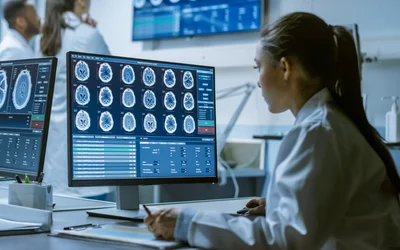
Artificial intelligence (AI) is rapidly transforming healthcare by leveraging machine learning techniques to analyze medical images, patient data, and genetic information with unprecedented speed and accuracy, significantly improving early disease detection and enhancing diagnostic precision.
In this episode, we explore a groundbreaking neurotechnology that boosts memory without the need for invasive surgery potentially helping people all over the world struggling with spatial memory.

15 minutes read
Researchers develop the first wearable camera that uses artificial intelligence to help prevent medical administration errors.

3 minutes read
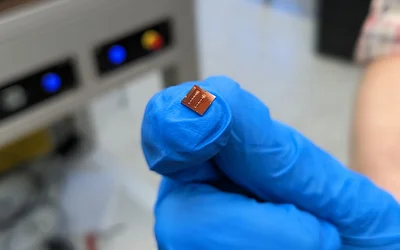
The startup SiPhox, founded by two former MIT researchers, has developed an integrated photonic chip for high-quality, home-based blood testing.
If you’re considering taking the next step in medical injection molding, this article will guide you through 4 key considerations in medical injection molding, from understanding device classifications and regulations to selecting suitable materials and preparing your design.

4 minutes read
In this episode, we explore how AI co-pilots are equipping doctors with powerful tools to enhance decision-making and patient care and discuss how it could impact you - a potential patient - in the not distant future.
17 minutes read
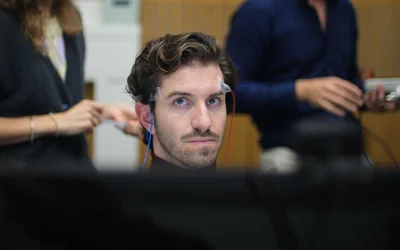
EPFL researchers have combined virtual reality, non-invasive brain stimulation and advanced brain imaging techniques to improve spatial navigation in healthy participants. The study is a first step in addressing dementia in an aging population without medication or surgery.
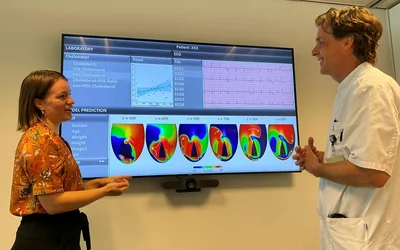
Researchers Lukas Dekker and Carlijn Buck of TU/e and the Catharina Hospital are investigating how they can provide better-tailored care to heart patients through smart modeling, thanks to a digital twin of each patient.

4 minutes read
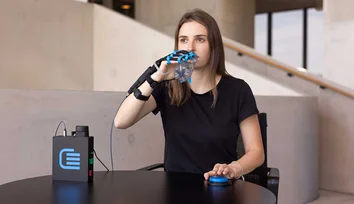
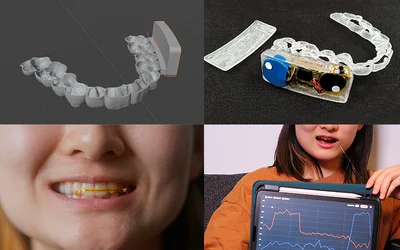
When you think about hands-free devices, you might picture Alexa and other voice-activated in-home assistants, Bluetooth earpieces, or asking Siri to make a phone call in your car. You might not imagine using your mouth to communicate with other devices like a computer or a phone remotely.