Computer Vision

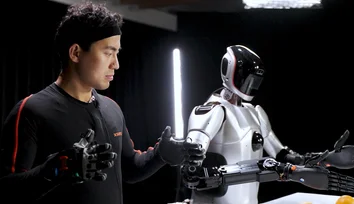
With Motion Capture

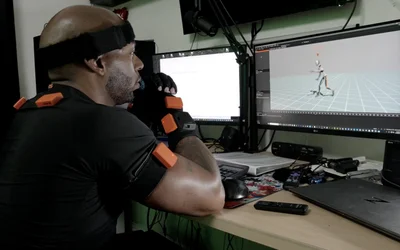
Writer-director Edward Green set out to create his animated feature, Believing, entirely independently. With the right tools, the project is progressing from concept to screen at incredible speed.


Engineers Wiki. Most Asked Questions.
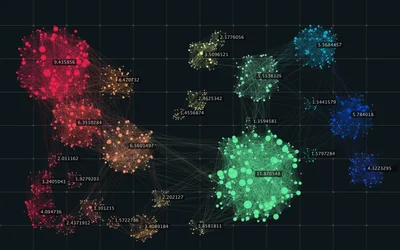
Unsupervised learning is a machine learning approach that finds patterns, structure, or useful representations in unlabeled data. It groups similar observations, compresses high-dimensional features, detects outliers, discovers item relationships, and supports modern representation learning.
NPU vs GPU: Understanding the Key Differences and Use Cases
13 minutes read.
TPU vs GPU: Comprehensive Technical Comparison
17 minutes read.
Top Vision Systems for Manufacturing in 2026
11 minutes read.
Machine Vision Systems: Components, AI Integration & Selection Guide
16 minutes read.
GDDR6 vs GDDR7: A Technical Comparison of Graphics Memory
14 minutes read.
TPU vs GPU: A Comprehensive Technical Comparison
14 minutes read.
ORGANIZATIONS. SHAPING THE INDUSTRY.
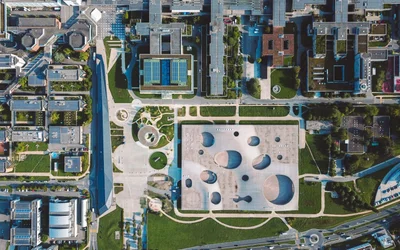



High Tech Campus Eindhoven
High Tech
High Tech Campus Eindhoven is Europe's smartest square km and has the ultim...
49 Posts


ETH Zurich
University for science and technology
Freedom and individual responsibility, entrepreneurial spirit and open-min...
43 Posts
TAGGED WITH machine learning

From leading experts at the CDFAM Computational Design Symposium
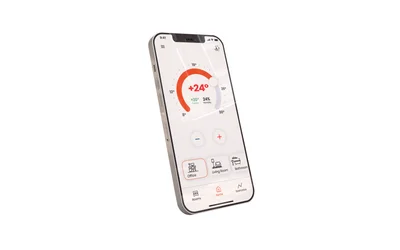
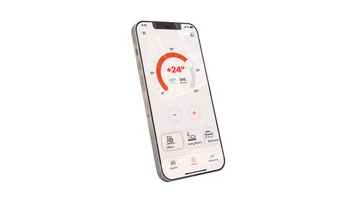
eCozy 2.0 system addresses the limitations of traditional thermostats for water heating radiators, delivering efficiency, convenience and sustainability benefits to households

Protect the cloud by securing the edge with hardware-based security, TPMs, HSMs, and resilient edge computing architectures.

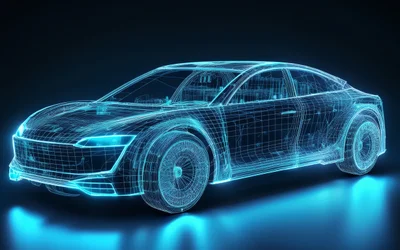
Explore the rise of intelligent EV hardware and how real-time processing, ML acceleration, and hardware virtualization are enabling safer, smarter, software-defined electric vehicles.
TAGGED WITH motion capture systems
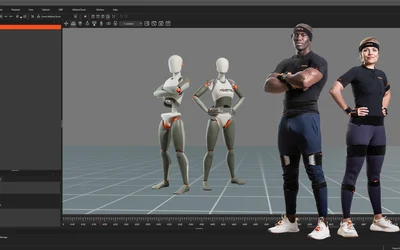
With MVN Analyze
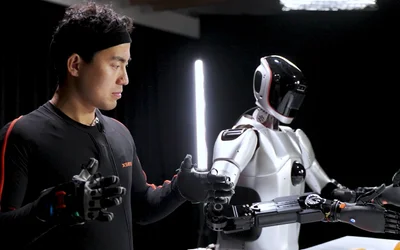
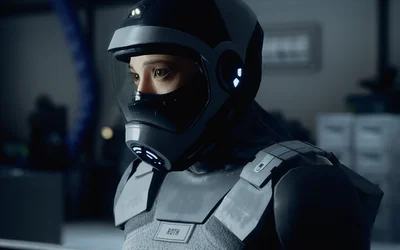
how Last Praetorian Interactive made Project Vesperi with one Xsens suit

With Xsens Motion Capture

Latest Posts
With Motion Capture

4 minutes read
Writer-director Edward Green set out to create his animated feature, Believing, entirely independently. With the right tools, the project is progressing from concept to screen at incredible speed.
3 minutes read
With Xsens MVN Analyze
3 minutes read
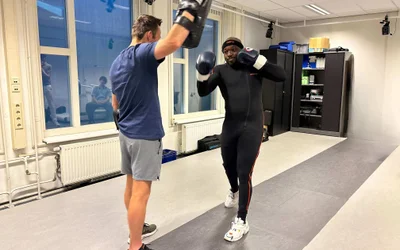
With Xsens MVN Link
3 minutes read


Nakahira received a Young Investigator Award from the Japan Science and Technology Agency for developing a machine that builds autonomous systems.

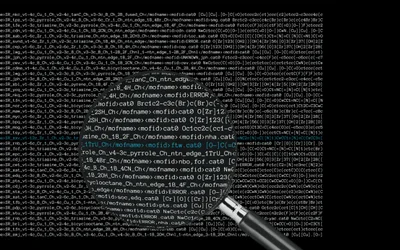
Princeton researchers have developed a new tool to speed the discovery of advanced materials known as metal organic frameworks, or MOFs.

3 minutes read

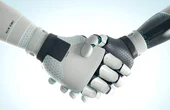
EPFL roboticists have shown that when a modular robot shares power, sensing, and communication resources among its individual units, it is significantly more resistant to failure than traditional robotic systems, where the breakdown of one element often means a loss of functionality.

3 minutes read

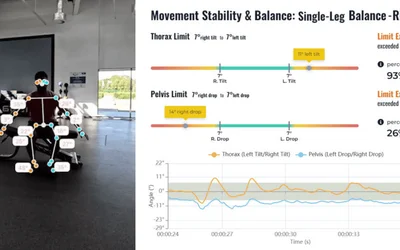
By Xsens MVN Analyze
4 minutes read
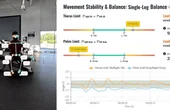

By Xsens MVN Animate
3 minutes read


MIT researchers' DiffSyn model offers recipes for synthesizing new materials, enabling faster experimentation and a shorter journey from hypothesis to use.


Discover why manufacturing needs domain-specific AI agents and how tools like FACTUREE Navigator accelerate smarter, faster procurement decisions.

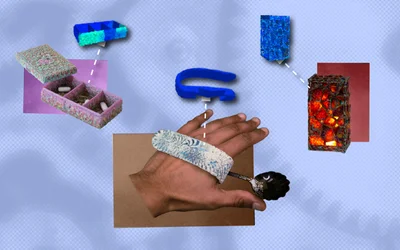
"MechStyle" allows users to personalize 3D models, while ensuring they're physically viable after fabrication, producing unique personal items and assistive technology.

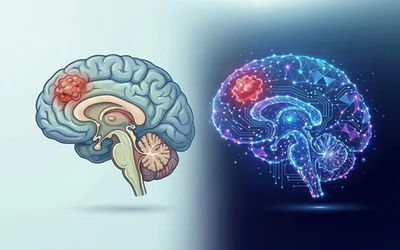
A simulation of an individual patient's brain tumors, kept up to date with readily available data, can identify whether dietary treatments and drugs are likely to work.

4 minutes read

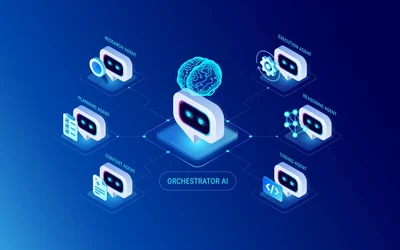
Hey Tuya showcases how agentic Physical AI evolves assistants from isolated commands into systems that learn context, coordinate devices, and act reliably across real-world environments.


This episode celebrates five years of The Next Byte with a recap of 2025, highlighting standout episodes through The "Saucies" Awards, reflecting on major trends, sharing predictions for 2026, and thanking the global listener community.