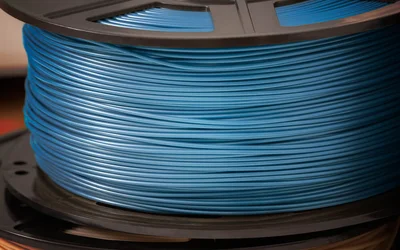
PLA is an affordable and reliable workhorse filament for FDM 3D printing. But some material developers claim to have made PLA filament better by mixing it with additives, creating an enhanced variant of the material called PLA+.
Technical Guides
Latest Posts
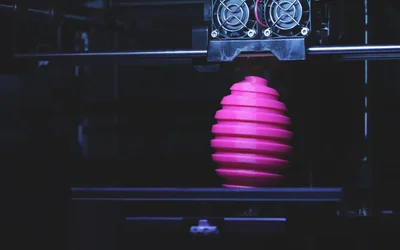
Nozzle diameter and layer height can both greatly affect the resolution, printing time, and appearance of 3D printed parts. They are also connected to each other in an important way.
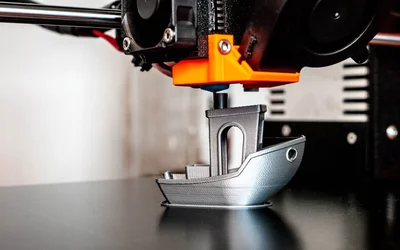
One of the most common issues with FDM 3D printing is under-extrusion, which manifests itself as thin or missing layers or visible holes in the structure of the part.
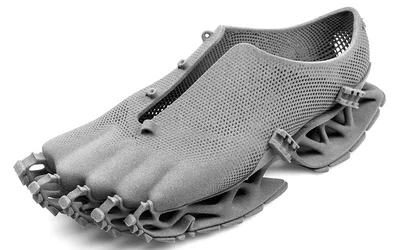
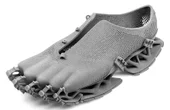
Thermoplastic Elastomer (TPE) offers a unique balance of flexibility and durability in 3D printing. Utilizing Selective Laser Sintering, it's ideal for various industrial applications, from footwear to machinery dampening.
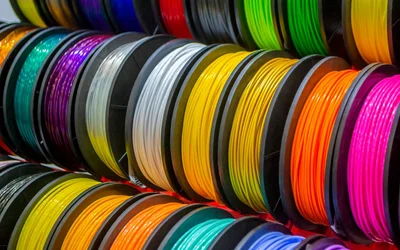
ABS is a low-cost 3D printing filament with excellent impact and wear resistance. However, the ideal ABS print temperature is quite high, and the material also requires a heated bed to prevent warping.
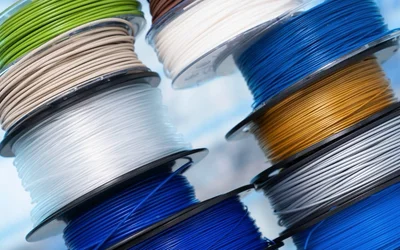
ABS is one of the most widely used thermoplastics in FDM 3D printing. Here we look at how to navigate ABS 3D printing in terms of slicer settings, post-processing, and more.
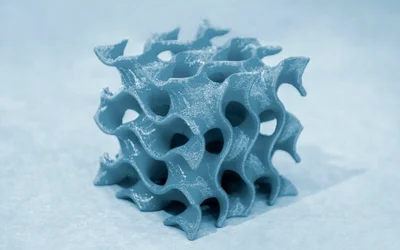
Known for its continuous 3D structure, the gyroid infill pattern is among the best for its strength-to-density ratio. The infill pattern is also highly rated for print speed. Let’s take a look at why that is.
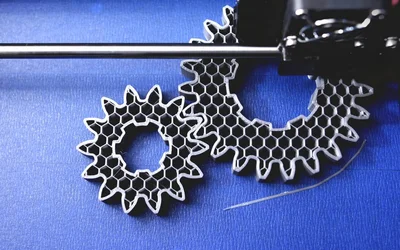
The internal structure of a 3D printed part can be adjusted via 3D printer infill settings, giving users control over variables like part weight and strength, print time, and material usage.
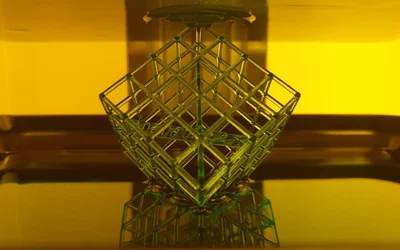
Post-curing is an important step in SLA 3D printing. Knowing how long to cure resin 3D prints and what curing methods to use can help you attain the highest quality parts.
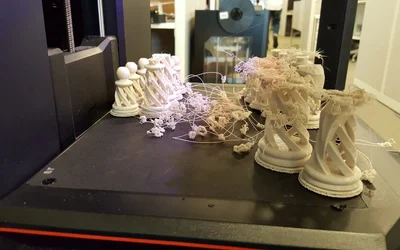
Prints covered in plastic cobwebs? Like many FDM users, you’re probably the victim of 3D printer stringing. Fortunately, stringing can be prevented via printer maintenance and adjustment of slicer settings.
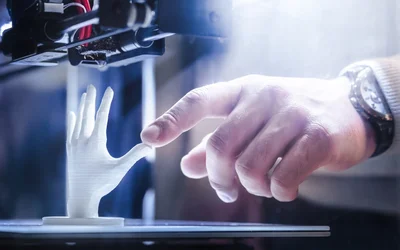
What is 3D printing? This article goes over the basics of 3D printing, otherwise known as additive manufacturing, covering its engineering principles and applications.
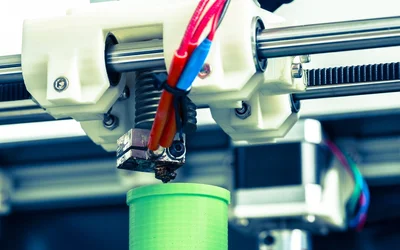
Thermal runaway is a serious issue that can occur when using an FDM 3D printer. If unaddressed, it can lead to damaged 3D printer components or even fire. Here’s how to recognize thermal runaway, prevent it, and, if needed, fix it.
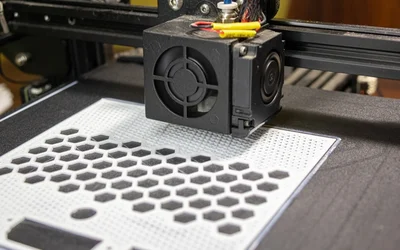
Here’s what to do if you notice clicking noises, under-extrusion, or other print quality issues caused by extruder skipping on the Ender 3 by Creality.
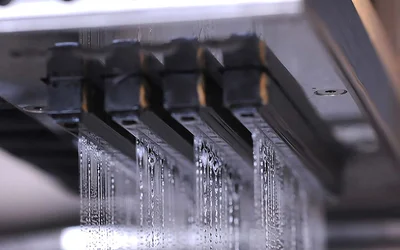
Binder jetting is accurate, fast, and more affordable than powder bed fusion processes like DMLS. Here we examine the process, its advantages and disadvantages, and its most promising applications.
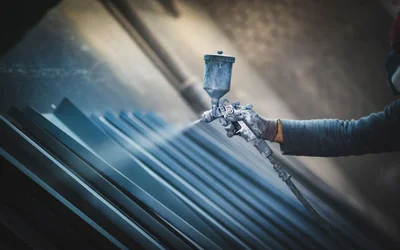
From current standards to overcoming obstacles, this article offers a comprehensive understanding of the vital concept and its role in achieving desired quality and aesthetics in various industries.

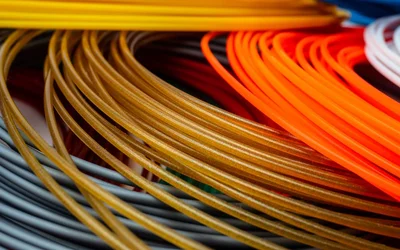
The most popular 3D printing filament, PLA is known for many things, like its good printability and ability to withstand warping. When it comes to temperature resistance, however, the material has its limitations. In this article, we're diving into PLA's thermal properties and comparing them to other common filaments.
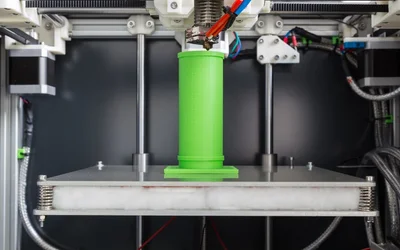
3D printing elephant foot is a common issue that most 3D printer users will have experienced. Typically caused by excessive heat or poor nozzle calibration, the issue can be solved in several ways.
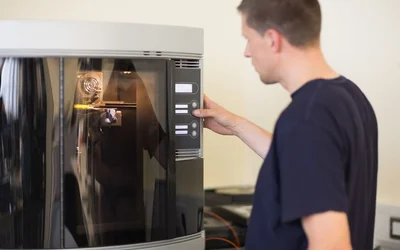
In this article, we look at the importance of using a 3D printer air filter to remove potentially harmful fumes from the print environment, as well as the different kinds of filter available and how to ensure proper maintenance.
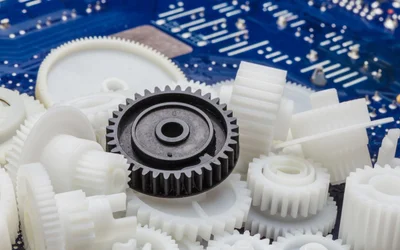
This guide delves into DFM's principles, implementation process, impacts, and challenges, aiming to provide readers with a comprehensive understanding of this integral concept.
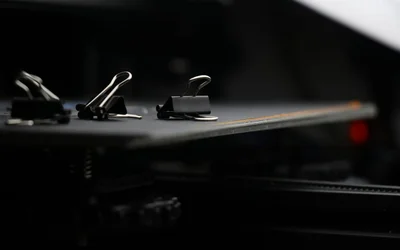
The Creality Ender 3 Pro offers good value for money but lacks an automatic bed leveling feature. Fortunately, Ender 3 Pro bed leveling can be painless with the right tools and preparation.

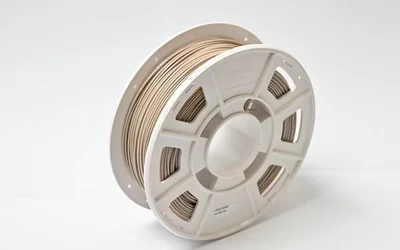
With its ability to produce ultra-robust, temperature-resistant final parts, PEEK 3D printing is becoming the manufacturing process of choice for more and more engineers.
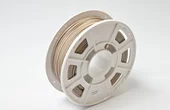
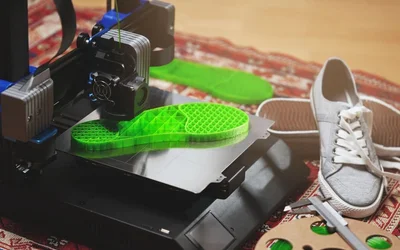
With its rubber-like material properties, TPU is a versatile 3D printing material that can be used for numerous applications. Here's what you need to know about 3D printing TPU, from filament storage, to printer settings, and more.
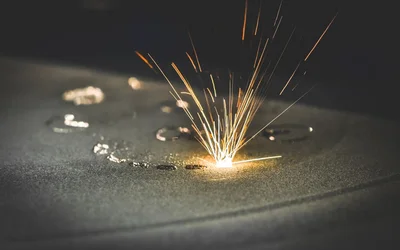
Breaking the Mold: How SLS Printing is Shaping the Future of Manufacturing with Unmatched Precision, Efficiency, and Creative Freedom
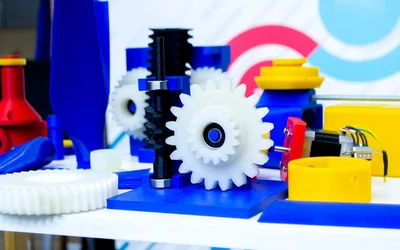
Read on to learn how material choice, print and slicer settings, and post-processing influence the strength of 3D printed parts.
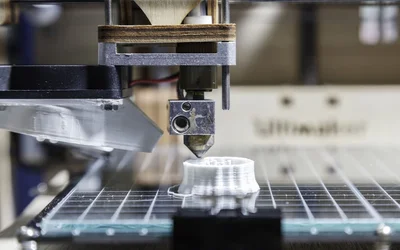
3D Printers produce particulates and chemical fumes that can become a health hazard for their users. What are the factors that cause these adversities and how does ventilation help in avoiding them?