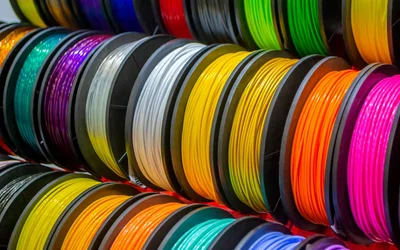
Beginners are often confused by the plethora of material options available for 3D Printing. In this article, we explore the different materials available and how their unique properties influence their utility.
Technical Guides
Latest Posts

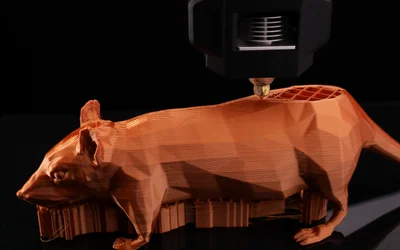
Overhangs represent one of the biggest challenges for FDM 3D printers. Here we look at how to safely print them using support structures, bridging, and other techniques.
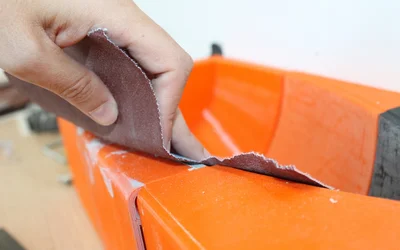
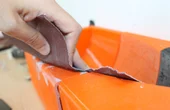
To get the most out of your FDM parts, you’ll need to apply some finishing touches. This can involve support removal, sanding, vapor smoothing, and other steps.
In 3D printing, achieving consistent and high-quality prints requires more than just a good printer and filament. Calibration and quality control are essential components that can make or break your 3D printing experience.
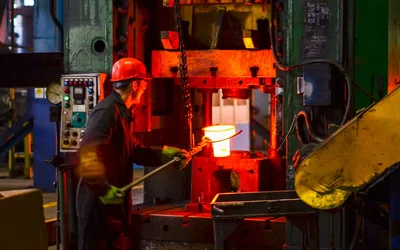
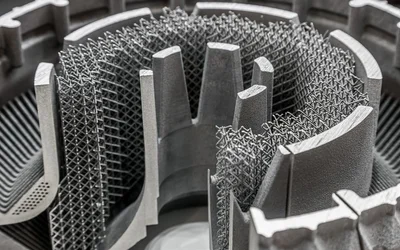
There are countless ways to manipulate metal to create metal parts, from millennia-old techniques like forging and casting to digital processes like additive manufacturing and CNC machining.
The most common plastic in the world, but can it be 3D printed? The answer is not as straightforward as you may think.

The Creality Ender 3 and its V2/Pro variants have a stated print area of 220 x 220 mm, but the actual bed dimensions are 235 x 235 mm. So can you print right up to the edges or not?

Most people consider 3D printing to be a prototyping process and injection molding to be a form of mass manufacturing. However, choosing between the two processes isn’t always straightforward.

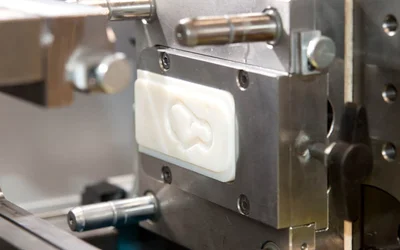
3D printing is creating new opportunities for injection molding, making low-volume production more viable than ever
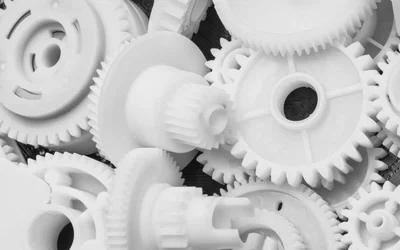
Here’s what you need to know about Delrin, a high-performance POM thermoplastic with exceptional strength, durability, and temperature resistance.
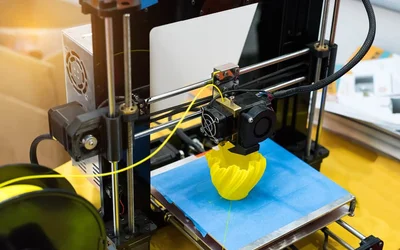
Understanding the differences and benefits of direct drive and bowden extrusion systems.

HDPE can be found in objects like plastic bottles, garden chairs, and piping. But just how useful is HDPE filament for FDM 3D printing?

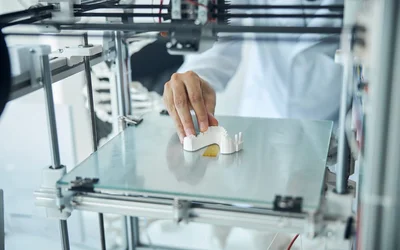
Good bed adhesion is key to achieving defect-free prints. But how do you remove 3D prints that are stuck firmly to the build surface of the 3D printer? This guide reveals all.
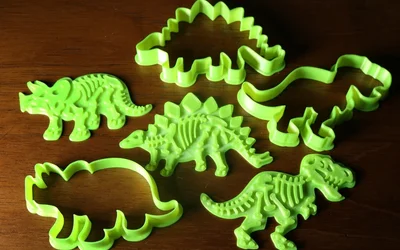
As a raw material, PETG is considered food-safe. However, the 3D printing process and filament brand can influence how food-safe it really is.
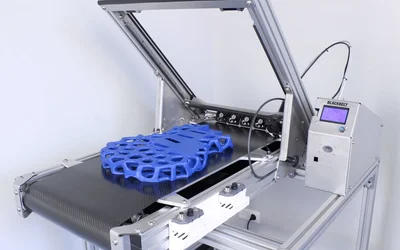
Conveyor belt 3D printers promise ultra-long parts and effortless batch printing. But are these hybrid FDM machines reliable enough for serious printing projects?
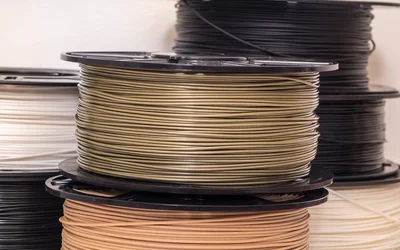
PETG has a high melting point of 260°C. We take a look at what that means for 3D printing the thermoplastic filament.
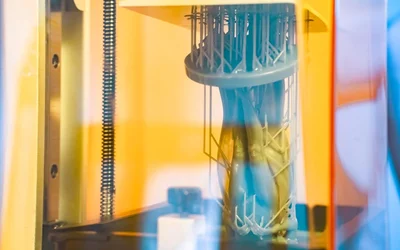
Everything you need to know about how resin 3D printing works and safe material handling

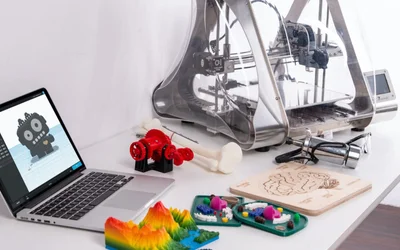
If you're seeing wispy "hairs" when printing with PLA filament, follow these troubleshooting steps to fix the problem.

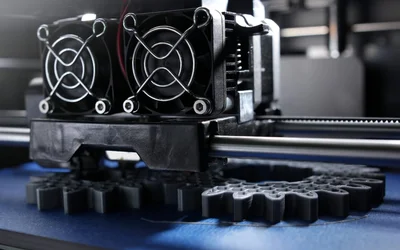
When choosing between 3D printer filaments, strength is often a deciding factor. So what is the strongest 3D printer filament? And what does “strength” really mean here?
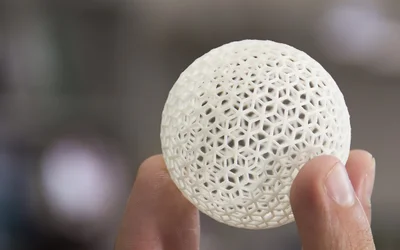
Thermoplastic polyurethane is one of the best flexible 3D printing materials, but TPU print settings differ greatly from rigid material settings and can be difficult to configure.
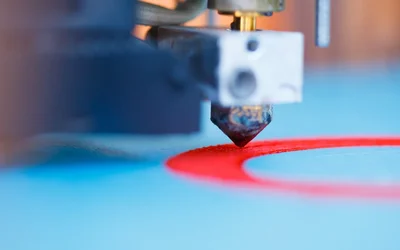
Here are eight tried and true methods for optimizing your first layer adhesion with FDM 3D printing.
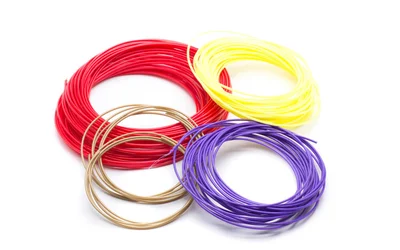
FDM 3D printer users who want more elasticity from their prints often turn to TPU filament, a flexible alternative to PLA with numerous benefits. But what else should you consider when looking at TPU vs PLA?

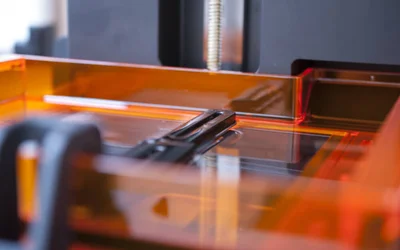
When it comes to desktop 3D printing, buyers have two main options: resin printers that use photopolymerization technology, or filament printers that extrude molten thermoplastic. Both have their strengths and weaknesses.
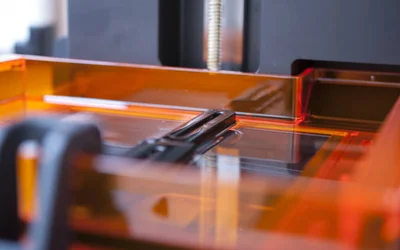
When it comes to desktop 3D printing, buyers have two main options: resin printers that use photopolymerization technology, or filament printers that extrude molten thermoplastic. Both have their strengths and weaknesses.
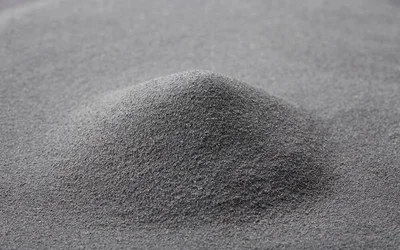
Though aluminum 3D printing has traditionally been a challenge, big advances have been made in recent years. Here's everything you need to know about aluminum additive manufacturing, from applications and technologies, to what alloys are available.