


Monogoto Software-Defined Connectivity Platform recognized for innovation in scalable, secure IoT infrastructure

3 minutes read
Tagged with

Monogoto Software-Defined Connectivity Platform recognized for innovation in scalable, secure IoT infrastructure
3 minutes read
M2M SIM cards enable smart city infrastructure with reliable mobile connectivity, supporting traffic systems, environmental monitoring, public safety, and scalable urban digitalization worldwide.
The 2G and 3G switch-off is reshaping IoT connectivity worldwide, making migration to 4G, 5G, LTE-M, or NB-IoT essential to avoid outages and ensure future-ready devices.
M2M SIMs deliver secure multi-network mobile connectivity for EV charging stations worldwide, ensuring reliable payments, monitoring, and uptime even in remote locations.
M2M SIM cards enable secure wireless connectivity for telemedicine and IoT healthcare devices, supporting remote patient monitoring, reliable data transfer, and flexible nationwide roaming.
Take a moment to look back at everything we built, shipped, secured, optimized, and of course, connected in 2025.
Partnership adds Non-Terrestrial Network (NTN) coverage from OQ Technology to the Wi-Fi, and GEO satellite connectivity offerings from Monogoto
2 minutes read
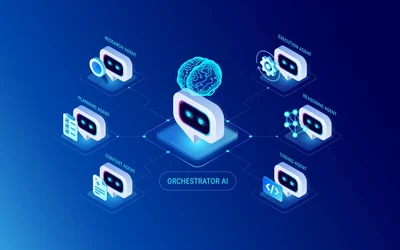
Hey Tuya showcases how agentic Physical AI evolves assistants from isolated commands into systems that learn context, coordinate devices, and act reliably across real-world environments.
NR+ is the first non-cellular 5G standard enabling massive IoT with low latency, long range, and operator-free private networks — powered by Nordic and Wirepas for scalable, resilient deployments.
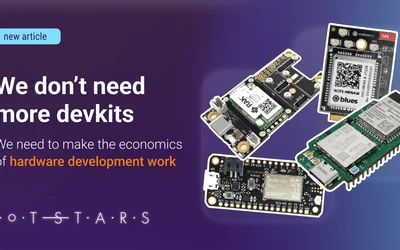
Semi Off-The-Shelf Hardware: The Missing Link in IoT

3 minutes read
Software-Defined Connectivity is transforming IoT, making networks programmable, scalable, and secure — just as the cloud revolutionized computing.
4 minutes read
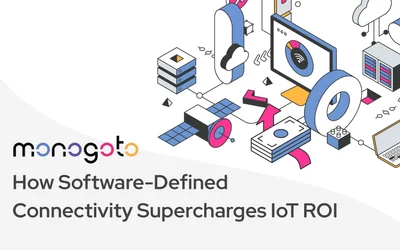
In IoT, return on investment (ROI) isn't just a line item; it's the North Star of every IoT deployment.
3 minutes read
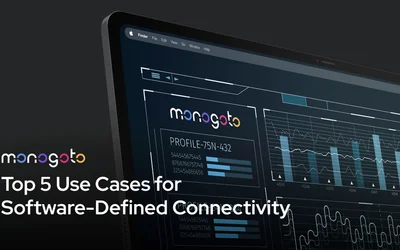
Explore the top 5 use cases of Software-Defined Connectivity (SDC) and learn how SDC reduces costs, improves compliance, and accelerates IoT innovation.
4 minutes read
Monogoto was built as a cybersecurity-first cloud with Zero Trust, encryption, SIM-level control, and signaling visibility embedded.
3 minutes read
Wireless technologies—including Bluetooth LE and other low power protocols, IoT beacons, smart sensors, and internal monitoring systems—are underpinning the modern hospitality sector in unprecedented ways.

4 minutes read