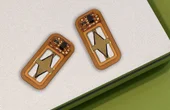
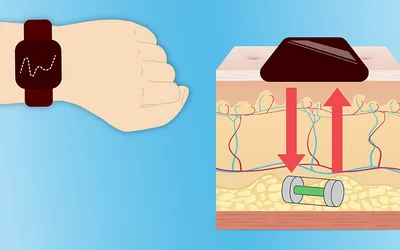
Researchers receive funding to develop injectable grain-of-rice-sized continuous glucose monitor technology.

3 minutes read
Tagged with


Entertainment
The Next Byte Podcast is hosted by two young engineers - Daniel and Farbod - who select the most interesting tech/engineering cont...
165 Posts

High Tech
High Tech Campus Eindhoven is Europe's smartest square km and has the ultim...
49 Posts

University for science and technology
Freedom and individual responsibility, entrepreneurial spirit and open-min...
43 Posts

University
At the Harvard John A. Paulson School of Engineering and Applied Sciences (...
42 Posts
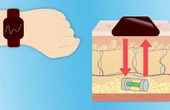
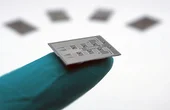
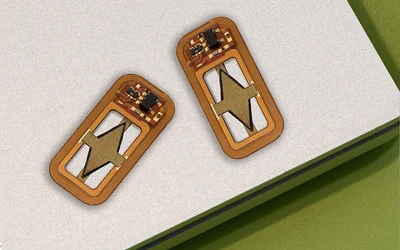
Researchers receive funding to develop injectable grain-of-rice-sized continuous glucose monitor technology.
3 minutes read
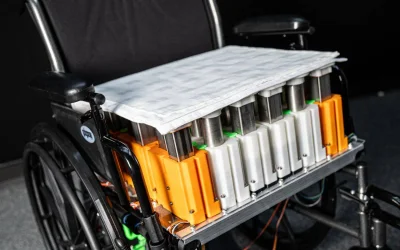
MSE researchers are using a Catalyst Award from the National Academy of Medicine to develop a pressure-relieving sensor system that could also be used in hospital beds.

3 minutes read
To advance cell-based therapies, researchers have identified a novel device that makes on-site oxygen for biological cells transplanted inside the body.

3 minutes read
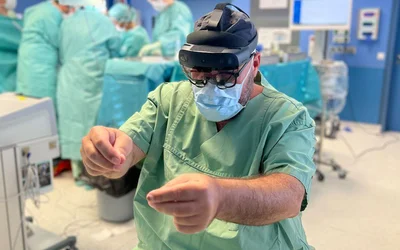
A team from the Embedded Intelligence research department at DFKI is working with doctors at Klinikum Saarbrücken to to develop new methods for AR-based assistance systems to support operations on the pancreas.
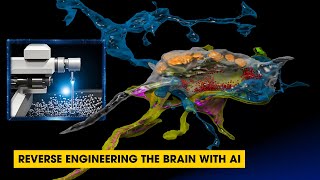
In this episode, we talk all about connectomics - the study of animal brains - and how researchers at MIT have started leveraging AI to break through the primary bottleneck: brain image acquisition.

18 minutes read
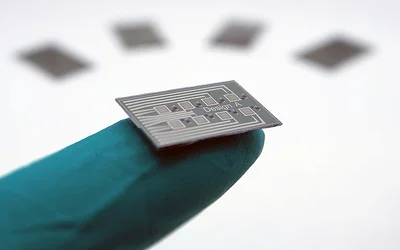
The new sensor measures heart and breathing rate from patients with sleep apnea and could also be used to monitor people at risk of opioid overdose.
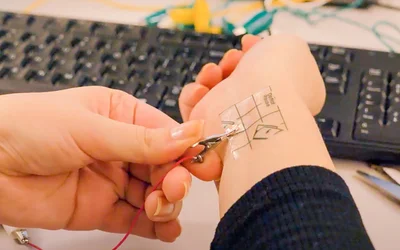
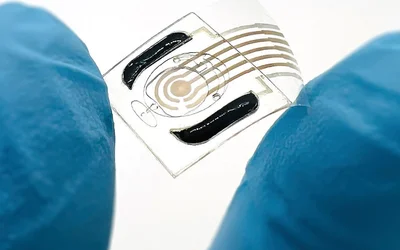
Electrodes printed on tattoo paper offer a promising alternative for monitoring biological activities.

2 minutes read
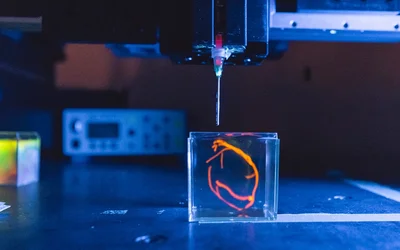
Advances in the 3D printing of living tissue – a field known as bioprinting – puts within reach the possibility of fabricating whole organs from scratch and implanting them in living beings. A multidisciplinary team from Stanford received a federal contract to do just that.

3 minutes read
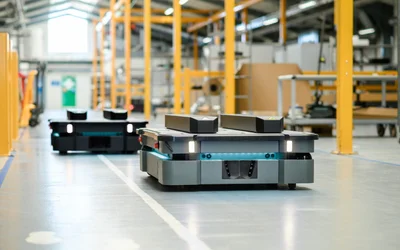
This article offers an in-depth view of AMR robots, their underlying technology, and applications crucial in today's rapidly evolving technological landscape.
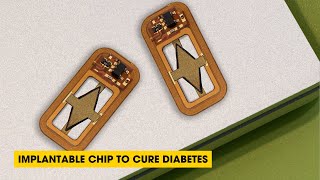
In this episode, we explore the groundbreaking potential of an implantable device that promises a future without injections for diabetes control and we delve into the science, the impact on patients, and the promises it holds for a brighter future in diabetes care.
15 minutes read
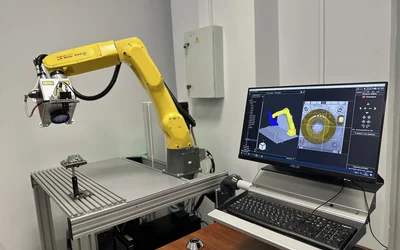
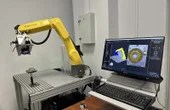
Researchers from ITMO University have created a multipurpose robot complex for laser treatment of medical device surfaces, like those of dental and skull implants. The designed technology can be utilized to imbue metal implants with antibacterial and biocompatible properties, as well as mark medical items. All one needs to do is load a 3D model of an implant into a program, set a processing trajectory, and pick a surface attribute of choice.
Caltech researchers have developed a wearable sensor that monitors estradiol by detecting its presence in sweat. The researchers say the sensor may one day make it easier for women to monitor their estradiol levels at home and in real time.

4 minutes read
The device contains encapsulated cells that produce insulin, plus a tiny oxygen-producing factory that keeps the cells healthy.
Kodak has a long history of manufacturing quality film products – starting with silver halide imaging films for consumers. Learn how Kodak is continuing that history, manufacturing a variety of industrial film products in many industries – from automotive to batteries to healthcare.

5 minutes read
In response to the OKDo Engineering Challenge, Marcel Ochsendorf and Sebastian Kindorf developed a medical device that uses thermal imaging for remote patient monitoring. Their innovative project won the Wevolver Community Vote.