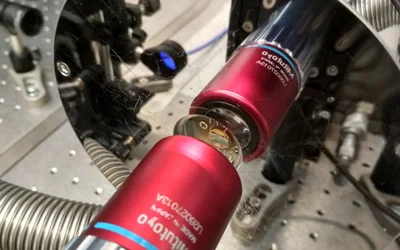



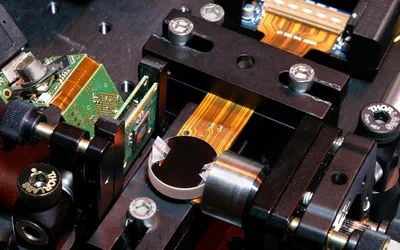
EPFL researchers have published a programmable framework that overcomes a key computational bottleneck of optics-based artificial intelligence systems.

3 minutes read
Tagged with
EPFL researchers have published a programmable framework that overcomes a key computational bottleneck of optics-based artificial intelligence systems.
3 minutes read
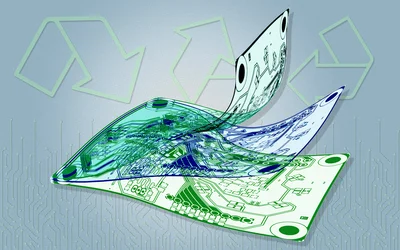
Electronic waste is a rapidly growing problem, but this degradable material could allow the recycling of parts from many single-use and wearable devices.
A digital platform containing comprehensive design information can aid this process, as it acts as a single source of truth, ensuring alignment between design inputs and outputs.

6 minutes read
Whether you are in a lab or operating remotely, you need appropriate test resources, with the emphasis on accuracy, flexibility, portability and affordability.
Achieving reliable signal integrity is a delicate process. Learn best practices here
5 minutes read
Futureproofing Aerospace Series. Article #4: Rochester Electronics has decades of experience helping customers navigate the complexities of component obsolescence.
Real-world parasitic effects and mismatched materials can complicate ideal transmission lines, leading to signal loss and reflections. Learn how to avoid these issues.
6 minutes read
Researchers from ITMO University have developed a system that can bind and control particles of light and matter.

3 minutes read
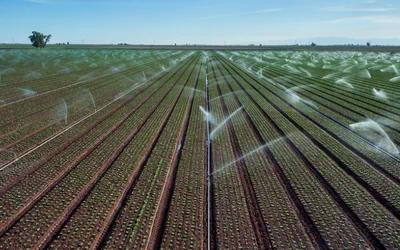
With a growing population and a changing environment, smart irrigation technology democratization could revolutionize global food production and water management.
4 minutes read
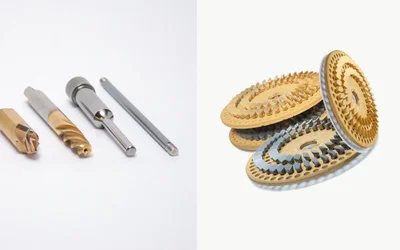
This article delves into the core principles, process parameters, and material compatibility of PVD vs CVD, empowering researchers and engineers to make informed decisions for their advanced thin film endeavors.
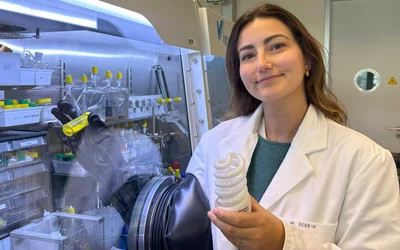
ETH researchers are developing a process inspired by nature that efficiently recovers europium from old fluorescent lamps. The approach could lead to the long-awaited recycling of rare earth metals.

4 minutes read
Learn easy-to-implement tricks and essential features to improve your next prototype
7 minutes read
In this episode, we discuss how an ex-apple engineer who worked on the apple watch got inspired to create a smart patch for treating psoriasis.

10 minutes read
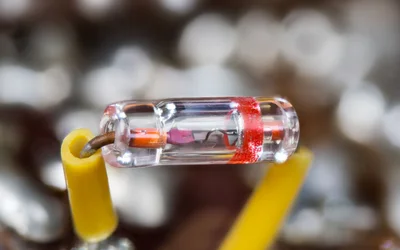
This article delves into the inner workings of a diode, exploring the principles that govern its ability to act as a one-way valve for current, as well as its varieties, characteristics, and vital significance in modern electronics.
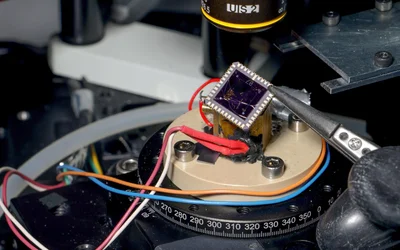
EPFL engineers have created a device that can efficiently convert heat into electrical voltage at temperatures lower than that of outer space.
3 minutes read