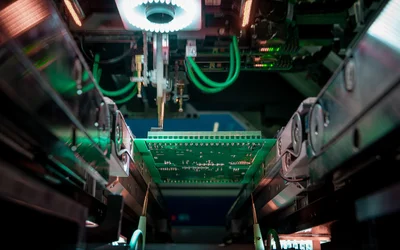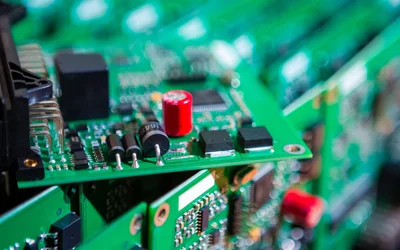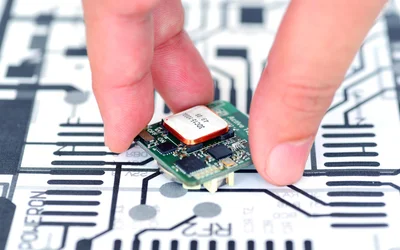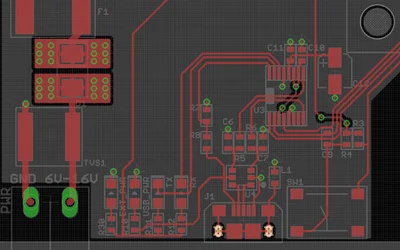
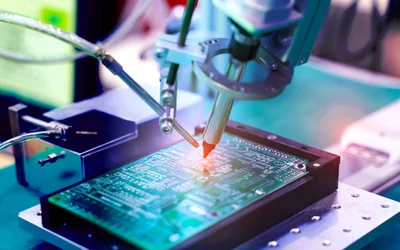
Solder flux has a large impact on final product quality. This article reviews how to use flux during soldering and how to decide on the right technology options for your project.

4 minutes read
Tagged with
Solder flux has a large impact on final product quality. This article reviews how to use flux during soldering and how to decide on the right technology options for your project.
4 minutes read
Your new PCBA project design needs to pass production validation testing (PVT) to prove it's ready for production. The planning you did for cost, quality assurance, quality control, and scalability now positions your project for success.
3 minutes read
At the DVT stage, your design is not yet ready for manufacturing. All certifications, qualifications, and specification requirements get tested now.
3 minutes read
The EVT Stage implements the design in its form, fit, and function to better inform stakeholders of your production intent. Don't rush this important milestone.
3 minutes read
Open and honest communication is crucial to a successful design. Product and engineering decision-makers need to work in sync.
4 minutes read
The best designs must consider all available opportunities to reduce costs at the outset. We give some common sense guidelines that can make a difference in your bottom line.
7 minutes read
Your PCBA prototyping success hinges on adhering to a comprehensive final checklist. Taking these five steps before your manufacturer begins work improves your chance of success.
4 minutes read
The merging of ECAD and MCAD allows virtual simulation of the manufacturing process and reduces validation gaps that can happen when design efforts happen independently.
3 minutes read
Mitigating electronics manufacturing delays starts with understanding where manufacturing processes can go wrong. We’ve highlighted the four key reasons here, giving you a starting point if you struggle with on-time deliveries.
5 minutes read
Design for Manufacturing (DFM) builds upon five tenets that should apply to the decision chain starting from project initiation. This critical step within the manufacturing development cycle merges design requirements with production methods to create the best end results.
4 minutes read
The power of cloud manufacturing enables hardware startups to be competitive with larger rivals.
Understanding your rights and responsibilities is essential to securing your innovation. Further, taking advantage of cloud manufacturing can mitigate substantial risk.
OEMs can focus on innovation and stay competitive by leveraging cloud manufacturing services.
With today’s most advanced cloud manufacturing platforms, users can access the full capabilities needed to move seamlessly between prototyping, testing, and full-scale production
4 minutes read
Rapid PCBA prototyping using electronics cloud manufacturing offers many advantages including problem identification, reduced error rate, lower costs, and shortened manufacturing timelines.
4 minutes read