



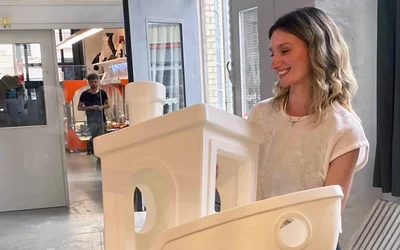
Either when you are buying a printer or using a platform, strong customer service is integral to the broader success of your 3D printing project.
Be the first to know.
Get our 3d printing weekly email digest.
Tagged with
3D Printing
ORGANIZATIONS. SHAPING THE INDUSTRY.


The Next Byte
Entertainment
The Next Byte Podcast is hosted by two young engineers - Daniel and Farbod - who select the most interesting tech/engineering cont...
165 Posts
Latest Posts

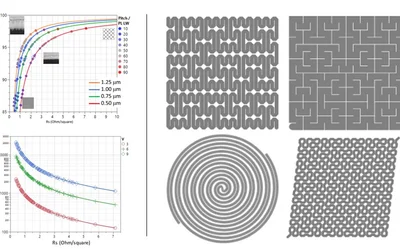
Kodak has a long history of manufacturing quality film products – starting with silver halide imaging films for consumers. Learn how Kodak is continuing that history, manufacturing a variety of industrial film products in many industries – from automotive to batteries to healthcare.

5 minutes read

BigRep’s large-format 3D printers and 3D printing filaments are suited to high-performance engineering applications. To meet the diverse range of needs of these applications, BigRep’s filament range spans several materials with vastly different uses.

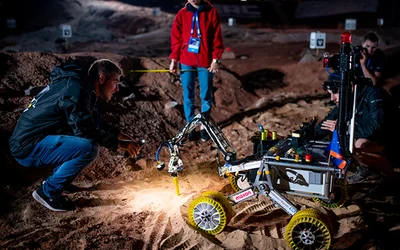
Students from the University of Applied Sciences Northwestern Switzerland (FHNW) build a functional Mars rover using SLS 3D printed parts and take 6th place at the European Mars Rover Challenge (ERC) in Poland.

3 minutes read

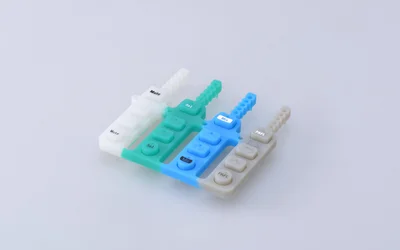
Is the Vacuum Casting process about to become obsolete? This is not an abrupt question. Vacuum casting is a widely used and cost-effective manufacturing solution for prototyping and low-volume production.

4 minutes read


In this episode, we discuss a novel approach from ETH Zurich to remove a design bottleneck from solar reactors that enables power generation output that is 2X the current state of the art!

14 minutes read
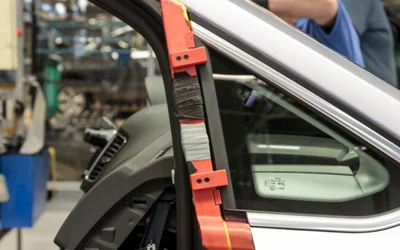
#4 UltiMaker Manufacturing Insights Series. 3D printing is enabling rapid prototyping and more efficient manufacturing across the transport sector.


Introducing the first article in a new series, making clear the impact of additive manufacturing on the manufacturing industry, transport, packaging, and STEAM.

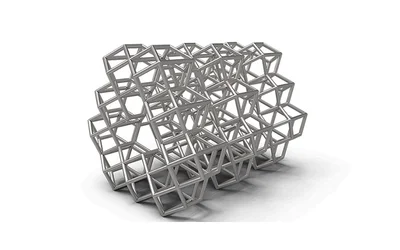
Learn how metal additive creates complex, durable, lightweight metal parts with this design tip.

9 minutes read

BigRep has a diverse material portfolio, comprising filaments optimized for its large-format 3D printers. The filaments are engineered to meet a variety of needs, whether you’re looking for a low-cost prototyping material like PLA, or an engineering-grade thermoplastic that can withstand more rugged use like HI-TEMP CF. In this article, we’re taking a closer look at one of BigRep’s most popular materials, Pro HT.

Katharine Flores will collaborate on an NSF-funded project to build simulation-informed models that predict material properties in 3D printed metallic glasses

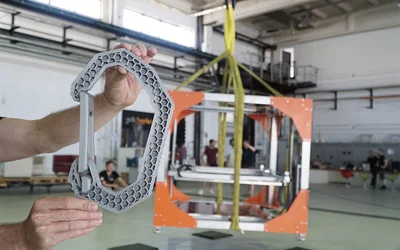
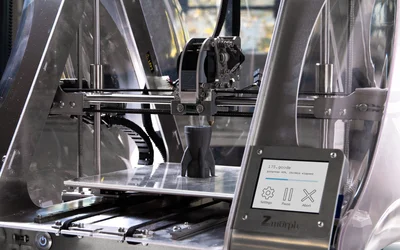
In this article we’re covering all you need to know about BigRep PLA, an easy-to-use filament that has been engineered to address the specific conditions and challenges of large-scale 3D printing. We’ll be looking at the material’s benefits, material properties, best practices, application areas, and more.
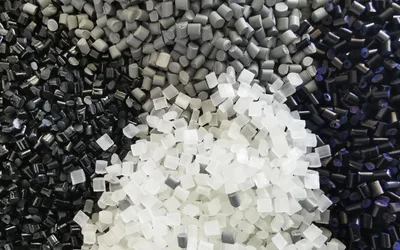
In plastic injection moulding, edgings and complete fabricated parts are made from metal wire mesh.

3 minutes read
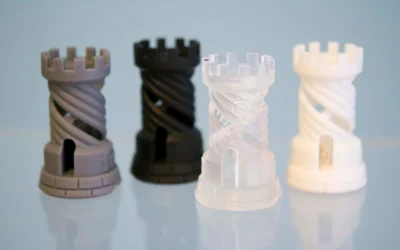
In this article, we will explore the factors that affect the smoothness of 3D printed parts and how you can achieve high levels of smoothness.

6 minutes read
challenge | OCT 23 - FEB 14, 2024

Join the 3D Printing FGF Engineering Challenge and explore the possibilities of 3D Printing with granulates.