Featuredpodcast
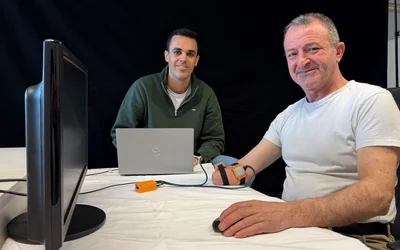
In this episode, we discuss the accidental discovery of how amputees can sense temperature in their phantom limbs and how EPFL researchers have exploited this to develop the first generation of prosthetics that can feel.
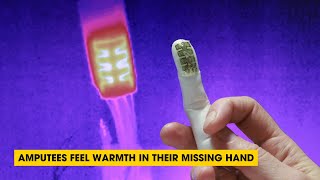
In this episode, we discuss the accidental discovery of how amputees can sense temperature in their phantom limbs and how EPFL researchers have exploited this to develop the first generation of prosthetics that can feel.
In this episode, we discuss the accidental discovery of how amputees can sense temperature in their phantom limbs and how EPFL researchers have exploited this to develop the first generation of prosthetics that can feel.
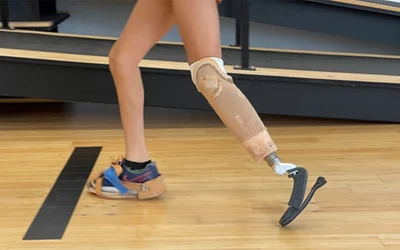
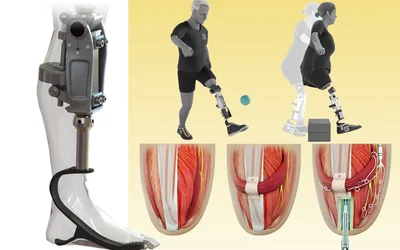
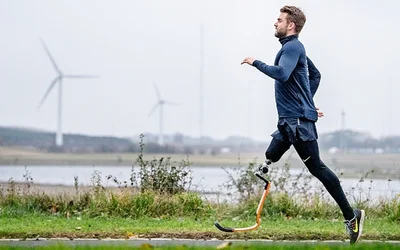
Research from elite athletes informs the design of these robust and adaptable prosthetics. We interview researcher Tijmen Seignette, about his ambitions to change how we approach prosthetic design.
A dive into how AI is helping overcome limitations with current prosthetics by offering improved signal decoding, functionality and more intuitive control.
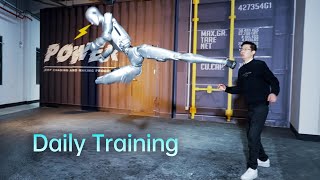
Have you exercised today? How about training together with a robot? Please use robots in a friendly and safe manner, and keep a safe distance.
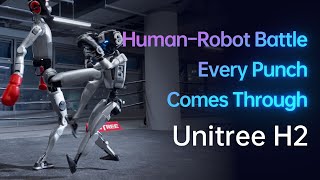
In this episode, we explore the engineering behind Unitree's newest boxing robot demo, the history of humanoid robots, and why robotics might create a new F1-esque sport in the combat sports realm.
Unitree welcomes users and developers worldwide to co-develop and share together. Exceptional developers will receive rewards. 转写文稿
Unitree 1.8m H2 Humanoid Robot, A Combat Sparring Test. H2's knee strike lifts G1 off the ground. This is to validate the overall reliability of the robot, please do not attempt to replicate this. Please use robots in a friendly manner.
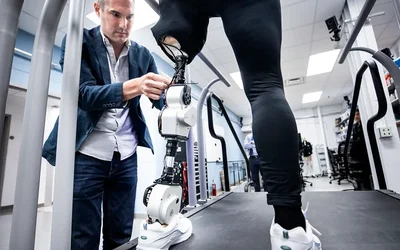
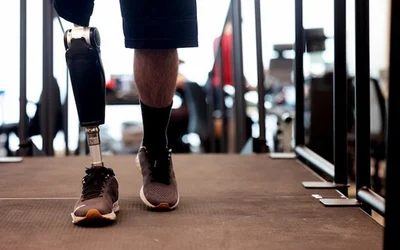
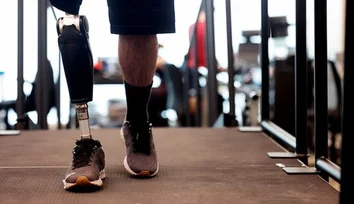
Paired with custom control software, Össur's powered knee prosthesis helped study participants sit, stand and walk more easily.
The human determinants of research are key for making progress, as championed by amputee Massimo Munzi who is helping improve prosthetics, as well as EPFL's neuroprosthetic researcher Jonathan Muheim.
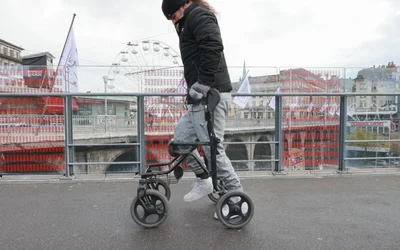
In a small clinical study, users of this prosthesis navigated more easily and said the limb felt more like part of their body.
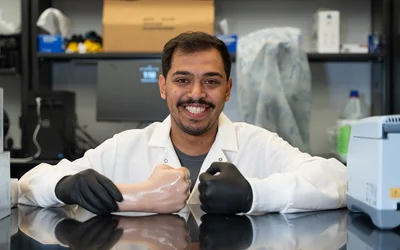
In a new study, Texas A&M researchers have used a skin-like material as a platform for investigating infections from intravenous catheters.
In this episode, we discuss the accidental discovery of how amputees can sense temperature in their phantom limbs and how EPFL researchers have exploited this to develop the first generation of prosthetics that can feel.

13 minutes read
Research from elite athletes informs the design of these robust and adaptable prosthetics. We interview researcher Tijmen Seignette, about his ambitions to change how we approach prosthetic design.
A dive into how AI is helping overcome limitations with current prosthetics by offering improved signal decoding, functionality and more intuitive control.
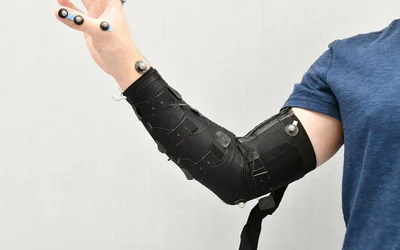
Using a new technology, researchers hope to create better control systems for prosthetic limbs.
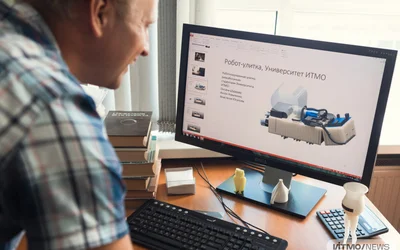
Boston Dynamics’ Spot, bionic kangaroos and even ants – biomimetics allows us to replicate almost any living thing. But why do roboticists look to animals for inspiration, what do they do at ITMO, and how do you make a robot act “natural”?

4 minutes read
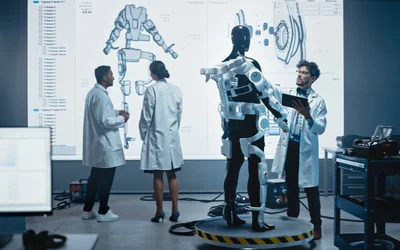
In this episode, we talk about how exoskeleton technology is being leveraged to treat parkinsons and how a new approach for more efficient, personalized exoskeletons could be the catalyst for wide scale adaptation.
A system developed by Grégoire Courtine and Jocelyne Bloch now enables patients with a complete spinal cord injury to stand, walk and even perform recreational activities like swimming, cycling and canoeing.

4 minutes read
In this episode, we reflect on some of our favorite topics from 2021 and discuss the goals for the podcast in 2022.
People living with disabilities don't want special treatment; they want equal opportunity. The ability to act independently of, and at the same time connect with, others when moving, communicating, learning, working, and socializing.

3 minutes read
In this episode, we talk about a system developed by MIT researchers to optimize new material development and LifeNabled - a non-profit organization - that leverages 3D printing technology and generative design to develop cost-effective, bespoke prosthetics.
LifeNabled volunteers and designers created a fully digital workflow to produce custom 3D printed prosthetic sockets with flexible inner liners. Now, 35 patients in the jungle of Guatemala are walking on the most advanced prosthetic and orthotic devices in the world.

6 minutes read
Let's take the well-known sea-rescuer, the dolphin, for example. Dolphin’s sensorium is more intended for the search of biological objects under water by use echolocation. At the same time, the military prefer to use dolphins to find metal objects (mines) rather than search & rescue drowning people
In this episode, we talk about a new machine learning model developed by NIST to predict flashover in burning buildings and protect firefighters, NASA’s new ultrasonic additive manufacturing approach, and an affordable, high performance athletic prosthetic.
By combining cost-effective 3D printing with affordable electronics and wireless technology, new accessibility solutions empower children with limb differences.
3 minutes read
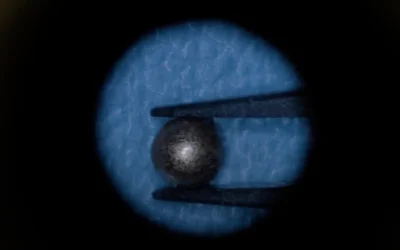
Neuralink is an ambitious startup backed by Elon Musk that hopes to rid the world of brain-related illnesses using a coin-sized chip