prosthetics & bionics

Unitree G1 Bionic: Agile Upgrade
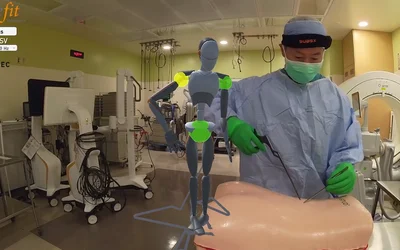
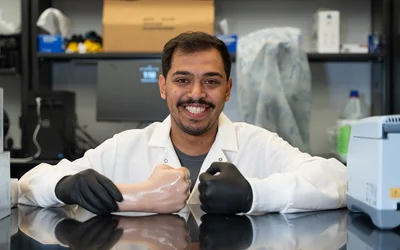
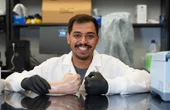
In a new study, Texas A&M researchers have used a skin-like material as a platform for investigating infections from intravenous catheters.
TAGGED WITH bionics
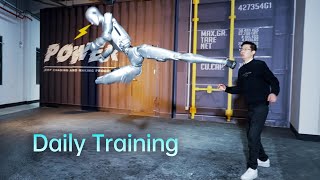
Have you exercised today? How about training together with a robot? Please use robots in a friendly and safe manner, and keep a safe distance.

In this episode, we explore the engineering behind Unitree's newest boxing robot demo, the history of humanoid robots, and why robotics might create a new F1-esque sport in the combat sports realm.

Unitree welcomes users and developers worldwide to co-develop and share together. Exceptional developers will receive rewards. 转写文稿

Unitree 1.8m H2 Humanoid Robot, A Combat Sparring Test. H2's knee strike lifts G1 off the ground. This is to validate the overall reliability of the robot, please do not attempt to replicate this. Please use robots in a friendly manner.
TAGGED WITH prosthetics
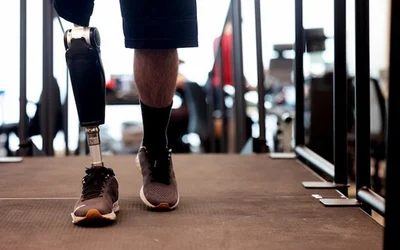
Paired with custom control software, Össur's powered knee prosthesis helped study participants sit, stand and walk more easily.
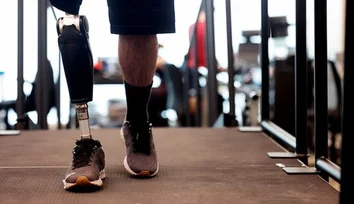
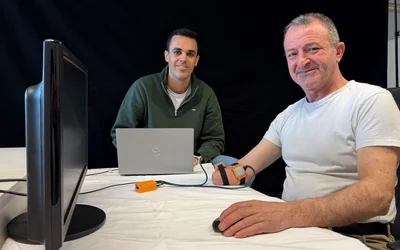
The human determinants of research are key for making progress, as championed by amputee Massimo Munzi who is helping improve prosthetics, as well as EPFL's neuroprosthetic researcher Jonathan Muheim.
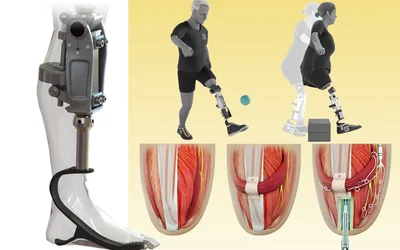
In a small clinical study, users of this prosthesis navigated more easily and said the limb felt more like part of their body.
In a new study, Texas A&M researchers have used a skin-like material as a platform for investigating infections from intravenous catheters.
Latest Posts
Unitree G1 Bionic: Agile Upgrade

With Xsens MVN Analyze

4 minutes read
In a new study, Texas A&M researchers have used a skin-like material as a platform for investigating infections from intravenous catheters.

3 minutes read

Unitree B2 continues to evolve every day with the acceleration of AI. Is there a limit to its evolution?
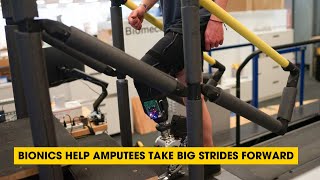
In this episode, we explore an innovative prosthesis driven by the nervous system that helps people with amputations walk naturally and discover how this cutting-edge technology is transforming mobility and enhancing the quality of life for amputees by restoring a natural gait.

16 minutes read
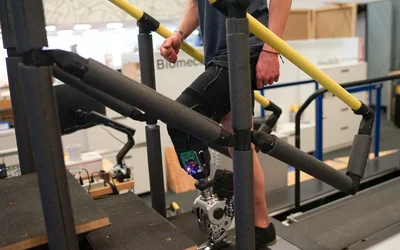
A new surgical procedure gives people more neural feedback from their residual limb. With it, seven patients walked more naturally and navigated obstacles.
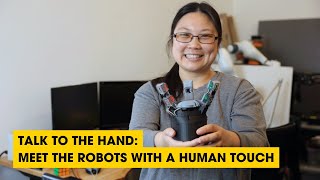
In this episode, we discuss how MIT researchers are making great strides in developing better robotic hands by focusing on an often overlooked component: the palm.
14 minutes read
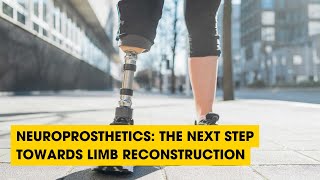
In this episode, we discuss a breakthrough from ETH Zurich to mimic natural foot signals to the brain using state of the art neuroprosthetics.
14 minutes read
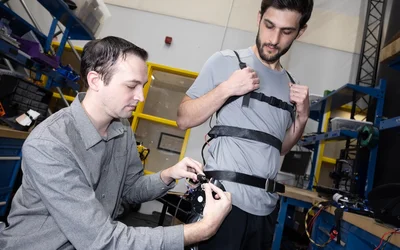
Aaron Young’s team has developed a wear-and-go approach that requires no calibration or training.

6 minutes read

In this episode, we discuss how CalTech researchers have created bionic jellyfish to help us explore the oceans and better understand the impacts of climate change.
16 minutes read
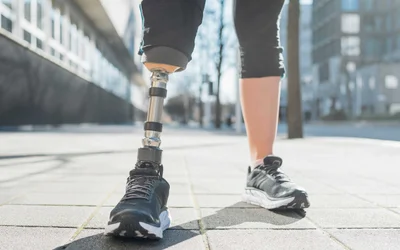
Prostheses that connect to the nervous system have been available for several years. Now, researchers at ETH Zurich have found evidence that neuroprosthetics work better when they use signals that are inspired by nature.

6 minutes read

Jellyfish can't do much besides swim, sting, eat, and breed. They don't even have brains. Yet, these simple creatures can easily journey to the depths of the oceans in a way that humans, despite all our sophistication, cannot.

4 minutes read


A robot mimics the folded look of rose petals to grasp complex shapes more easily than a traditional hand. A pneumatic clamp makes it easier for people with motor disabilities to safely wield kitchen knives. Prostheses utilize shape memory polymers to better replicate the range of motion of a limb.

3 minutes read

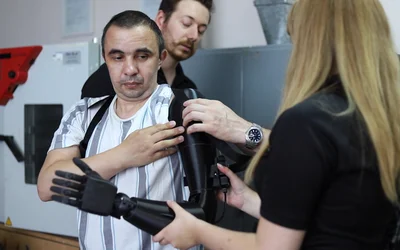
In a world often defined by disparities in healthcare access, Victoria Hand Project, a Canadian charity, is a beacon of hope. Founded in 2015 with the mission to provide accessible 3D-printed prosthetic care to under-resourced communities around the world, Victoria Hand Project has transformed lives by combining cutting-edge technology with compassionate outreach.

5 minutes read
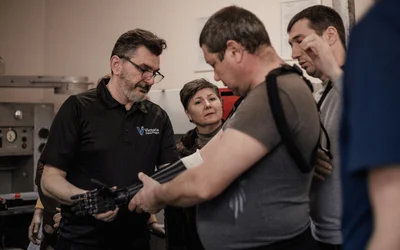
With amputees in war-torn Ukraine nearing half million, the Canadian non-profit organization Victoria Hand Project (VHP) is combining innovative materials from BASF Forward AM with UltiMaker 3D Printers’ robust construction to provide high-performance prosthetics to those in urgent need.

4 minutes read