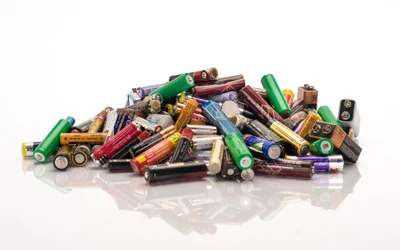






‘Smart Circularity’—the circular economy as it relates to connected technology and the IoT—can help the world shift away from linear consumption to an economy where resources are fed back into a closed loop of recycling, reusing and sharing.
The plethora of different LoRa sensors can be overwhelming for the end user. In this article, we will give you some insights on what to consider when selecting a LoRa device.
Monitoring different industrial quantities, and understanding what this data might represent, is important to many sectors – from manufacturing, transportation, and logistics, to mining, energy and utilities, among others.
Machine-to-machine (M2M) communications date back to the late 1960s. Still, it is only now that new wireless technology allows its adoption at a scale of a million devices per kilometer.
Remote working has changed the way we interact with our workspaces. Take a look at how IoT can deliver new solutions to the requirements for a modern smart workplace.
Article #6 Electronics Innovation Series. Engineers are turning to an edge computing model using SBCs to create more secure, high-performance IoT applications.
Precision agriculture uses IoT for productive farming management. This article explains the development of a smart irrigation system to improve crop yield and save potable water in orchards.
People using the Google Cloud IoT Core service to ingest data from their IoT devices will need to find alternatives as these connections will be shut down.
Human activity, from climate change, pollution, and habitat destruction, to poaching, territorial conflict, and trophy hunting, has seen the IUCN’s list of endangered species balloon to more than 147,000 in recent years, with 41,000 species threatened with extinction.
ML at the edge is the main target in many IoT applications today. Learn why it is important to build energy-efficient embedded devices, and how to achieve it using cutting-edge technologies.
Freezing Point’s innovation is the perfect demonstration of how the IoT can reinvigorate a retail market that’s in decline because little has changed in years. And sometimes for longer; in the case of the U.S. frozen beverages market, the status quo has existed since the 1950s.