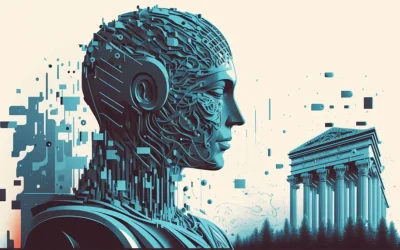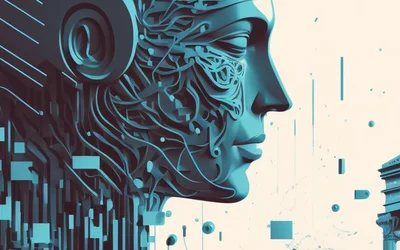





AI chatbot ChatGPT exploded onto the scene in November 2022. It can write essays, WordPress plugins and even pass an MBA exam – yet scientists still don’t fully understand how these general artificial intelligence programs work. New EPFL research aims to change this paradigm. This article is an excerpt from : Artificial intelligence: friend or foe?
Tagged with
artificial intelligence
ORGANIZATIONS. SHAPING THE INDUSTRY.
The Next Byte
Entertainment
The Next Byte Podcast is hosted by two young engineers - Daniel and Farbod - who select the most interesting tech/engineering cont...
165 Posts
High Tech Campus Eindhoven
High Tech
High Tech Campus Eindhoven is Europe's smartest square km and has the ultim...
49 Posts
ETH Zurich
University for science and technology
Freedom and individual responsibility, entrepreneurial spirit and open-min...
43 Posts
Carnegie Mellon University
University
A private, global research university, Carnegie Mellon stands among the wor...
24 Posts
Latest Posts
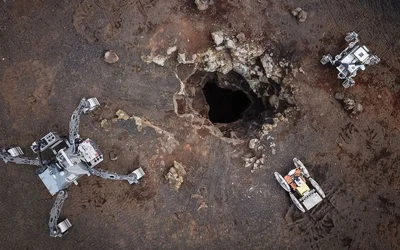
Paving the way for long-term missions on the moon: European team of autonomous robots explores lava cave in Lanzarote
As potential locations for future base camps, the lava caves on the moon are of great interest. But how can they be reached and explored? This has been investigated by a European consortium coordinated by the German Research Center for Artificial Intelligence (DFKI) in the project CoRob-X
Article #4 of Innovations in Electric and Autonomous Vehicles Series: Advances in technology and new safety regulations are accelerating the adoption of Driver Monitoring Systems (DMS) into passenger vehicles. DMS is expected to be a mandatory feature in new cars in many countries by the end of the decade.
Article #1 of Innovations in Electric and Autonomous Vehicles Series: With so much emphasis on electrification, advancements in autonomous driving seem to have taken a backseat. Let’s take a look at the changes required to reach the point where cars drive around without needing any manual intervention.
If you talk to the co-founders of Campus startup Autoscriber, they will tell you the biggest revolution in healthcare will be data-driven. “The moment you talk to your doctor and say, ‘I have a headache,’ artificial intelligence will start to mine your whole medical history. It will compare it to other people with your genetic background to calculate what is the most likely diagnosis,” said Koen Bonenkamp, one of two Autoscriber co-founders. This is the company’s vision behind its software.