Littelfuse SRP1 High-Endurance Solid-State Relays
High-Endurance, Multipurpose SSRs for Industrial Power Switching
General
| Product Type | Power & Energy Solutions |
| Applications | Power Management, Prototyping & Development, Industrial Automation |
| Key Features | Output Current Ratings: 10 A to 50 A, Nominal Output Voltages: 24 VAC to 600 VAC, SPST-NO |
Technical Specifications
| Output Current Range | 10 A to 50 A Maximum |
| Output Voltage Range | 24 VAC to 600 VAC Nominal |
| Input Control Voltage | 4–32 VDC or 90–280 VAC |
| Output Configuration | SPST-NO |
| Switching Type | Zero-Cross or Instantaneous |
| On-State Characteristics | 1.15 V – 1.3 V Drop, 6.3 mΩ Dynamic Resistance |
| Leakage Current | 1 mA RMS |
| Operating Temperature | −40 °C to +70 °C |
Overview
The SRP1 Series Solid-State Relays (SSRs) by Littelfuse are designed for high-frequency switching applications where mechanical wear and contact degradation are limiting factors. These multipurpose SSRs use a solid-state switching architecture to support repeated on/off cycling, achieving approximately two to three times higher endurance compared to conventional relay designs under demanding operating conditions. The series supports a wide range of load types with output current ratings from 10 A to 50 A and nominal output voltages from 24 VAC to 600 VAC.
The input control options include low-voltage DC control from 4 VDC to 32 VDC as well as high-voltage AC control from 90 VAC to 280 VAC. Output configurations are SPST-NO with either zero-cross or instantaneous switching, depending on application requirements. Electrical characteristics include low on-state voltage drop, low leakage current, and milliohm-level dynamic resistance. The relays operate across industrial temperature ranges and comply with cRUus and CE safety standards, supporting use in food equipment, HVAC, lighting, and industrial control systems.
Features of SRP1 High-Endurance Solid-State Relays
The SRP1 series solid-state relays are designed for repetitive AC load switching in electrically demanding environments, eliminating mechanical contacts and supporting continuous-duty operation. Let’s go through their features in detail:
High-Endurance Switching Architecture
The SRP1 series uses a solid-state switching structure designed for applications with frequent, repetitive on/off cycles. The design supports high-frequency operation without mechanical wear, enabling extended endurance in demanding electrical environments. This architecture achieves approximately two to three times higher life endurance cycles compared to conventional relay technologies, improving uptime in continuous-duty systems.
Electrical Performance and Switching Characteristics
The relays support output current ratings from 10 A to 50 A and nominal output voltages from 24 VAC to 600 VAC. Control inputs accept either low-voltage DC signals from 4 VDC to 32 VDC or high-voltage AC signals from 90 VAC to 280 VAC. SPST-NO output configurations are available with zero-cross or instantaneous switching styles, supporting resistive and inductive loads. The electrical characteristics include low on-state voltage drop, milliohm-level dynamic resistance, and low leakage current.
Model Variants and Application Flexibility
The SRP1-CB variants provide a basic solid-state relay configuration suitable for flexible system integration, while connector-oriented CB options support quick electrical connections. The SRP1-CR variants feature touch-safe construction and are used in applications that require additional overvoltage protection. This range accommodates diverse load types and system requirements across industrial control, lighting, and HVAC systems.
Thermal Behavior and Power Dissipation
The SRP1 series exhibits defined on-state electrical parameters that influence thermal performance during continuous conduction. An on-state voltage drop in the 1.15 V to 1.3 V range, combined with an on-state dynamic resistance of approximately 6.3 mΩ, allows predictable power dissipation calculations at higher load currents. These characteristics support proper heat-sinking and thermal management design, particularly in high-current applications. The specified operating frequency range of 47 Hz to 63 Hz further aligns the relays with mains-powered systems, ensuring stable thermal behavior under typical AC line conditions.
Compliance, Environmental, and Industry Use
The relays comply with cRUus and CE safety standards and meet RoHS and REACH environmental requirements. Operating temperature ranges from −40 °C to +70 °C, with storage up to +100 °C. These characteristics support use in regulated environments such as food and beverage equipment, including ovens, dispensers, fryers, and toasters, as well as general industrial installations.
Where to find it

Mouser Electronics
Mouser Electronics is a worldwide leading authorized distributor of semiconductors and electronic components.
References
Recommended Specs

Continue Reading
Introducing the Power Management for Tomorrow’s Innovations Series: A new series featuring articles, case studies, and application guides explaining how product designers can build efficient power supplies for various applications.
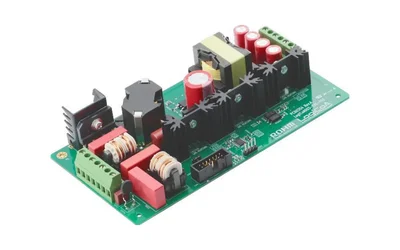
Conventional microcontrollers make digital control impractical in 50 W-1 kW power supplies due to cost and power demands. ROHMs LogiCoA™ overcomes this with a hybrid, event-driven design that adds calibration, logging, and software flexibility for efficient, scalable power electronics solutions.
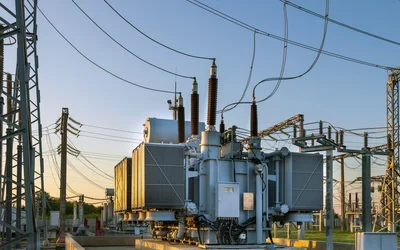
This article provides a Comprehensive guide to transformer theory, design, sizing, smart technologies, and practical selection for engineers.