Featured
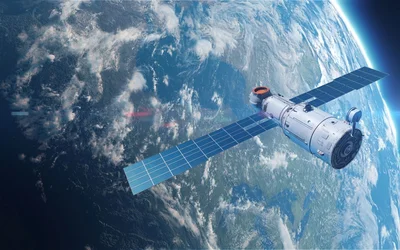
JFETs are vital components in satellite systems due to their low-noise performance, high input impedance, and superior radiation tolerance.

This white paper explains how precision timing solutions support reliable PNT architectures across aerospace, defense, and industrial systems.
JFETs are vital components in satellite systems due to their low-noise performance, high input impedance, and superior radiation tolerance.
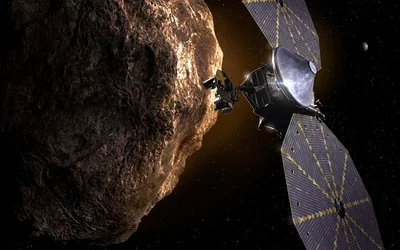
On 20 April 2025, NASA's Lucy spacecraft will fly past asteroid (52246) Donaldjohanson, which measures nearly four kilometres in diameter, at a distance of 960 kilometres.
Space is one of the toughest environments that designers must face. Far from the protection of Earth’s atmosphere, satellites and probes are exposed to hazardous levels of radiation. The connectors and cables that carry signals throughout the spacecraft must be protected to ensure their performance.
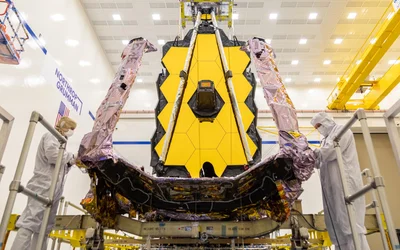
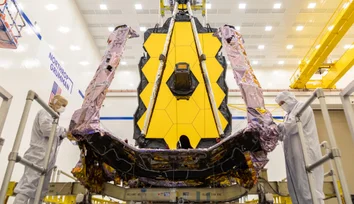
James Webb Space Telescope aims to take us to the unexplored realm of our cosmic origins. From observing the formation of the first stars and galaxies to looking for the possibility of life on other planets, the telescope will play a major role in the future of space exploration.

Nuclear fusion reactors
PULSAR Fusion develops and manufactures components for use in Nuclear Fusio...
1 Post
James Webb Space Telescope aims to take us to the unexplored realm of our cosmic origins. From observing the formation of the first stars and galaxies to looking for the possibility of life on other planets, the telescope will play a major role in the future of space exploration.
HEAD acoustics helps aerospace teams move from complex rotor noise to actionable, human-centered design decisions.
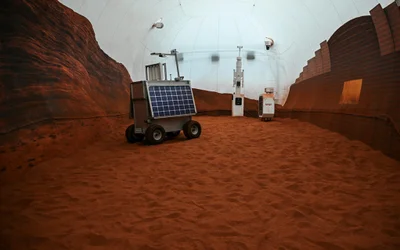
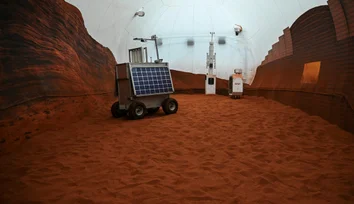
Humanity's drive to explore has taken us across the solar system, with astronaut boots, various landers and rovers' wheels exploring the surfaces of several different planetary bodies.
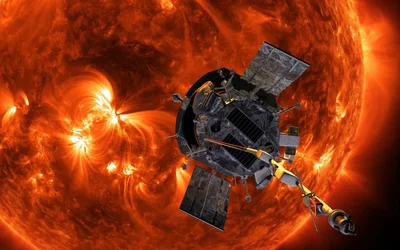
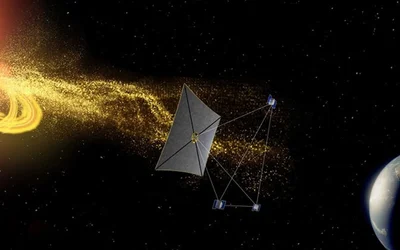
A spacecraft that sails on light could provide new vantage point on solar eruptions that can disrupt modern electrical and navigation systems.
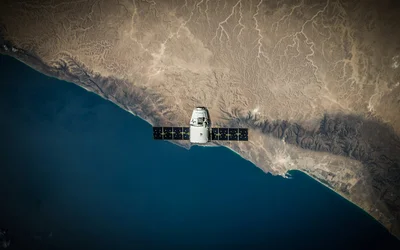
In space, maintenance isn't possible, so satellites must operate reliably for their entire mission. This makes fault detection, isolation, and recovery (FDIR) a critical requirement in satellite design.
JFETs are vital components in satellite systems due to their low-noise performance, high input impedance, and superior radiation tolerance.
On 20 April 2025, NASA's Lucy spacecraft will fly past asteroid (52246) Donaldjohanson, which measures nearly four kilometres in diameter, at a distance of 960 kilometres.

5 minutes read
Space is one of the toughest environments that designers must face. Far from the protection of Earth’s atmosphere, satellites and probes are exposed to hazardous levels of radiation. The connectors and cables that carry signals throughout the spacecraft must be protected to ensure their performance.
Innovative Solutions for Optimizing LEO/MEO Satellite Network Performance.
DLR's concept allows collaborative robots to yield without being forced back to their original position like a mechanical spring.
3 minutes read
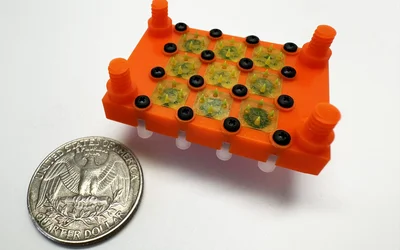
Ideal for propelling tiny satellites, the lightweight devices could be produced on board a spacecraft and cost much less than traditional thrusters.
The evolution of new launch systems has made space exploration more accessible than ever. Designers need low-profile connectors that will survive the harsh environments found in orbit. Find out how Harwin is developing connector solutions for the next generation of nanosatellites.
Some carbon-based solar cells already show no drop in performance after three years’ worth of radiation, and the cause of degradation in others could be preventable.

3 minutes read
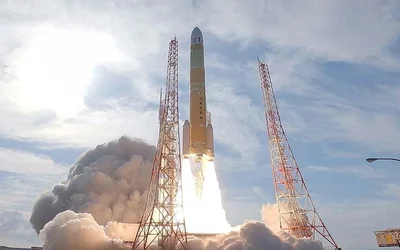
The H3 Launch Vehicle is a next-generation rocket. It was developed jointly by Mitsubishi Heavy Industries, Ltd. (hereinafter "Mitsubishi Heavy Industries") and the Japan Aerospace Exploration Agency (JAXA). The H3 Launch Vehicle is large for a liquid oxygen/liquid hydrogen rocket.

9 minutes read
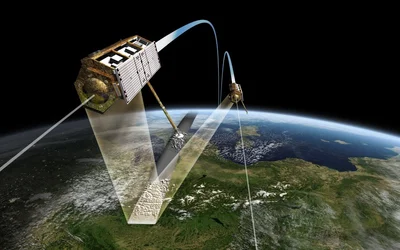
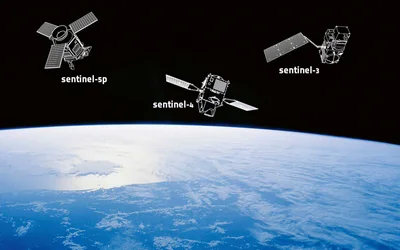
Earth-observation satellites deliver data for a wealth of applications – from monitoring climate change and documenting war crimes to planning disaster relief and assessing snow depth. ETH researchers are also big beneficiaries.

5 minutes read
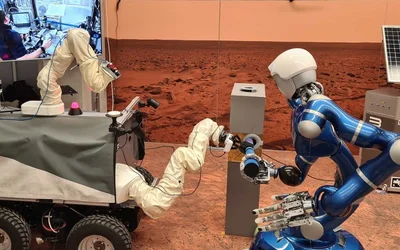
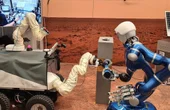
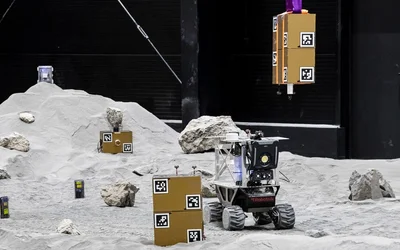
The German Aerospace Center (Deutsches Zentrum für Luft- und Raumfahrt; DLR) has been researching how payload boxes, sensors, rovers and astronauts can connect to form an integrated network.
Understanding IMU data sheets, manufacturers' testing methods, and the impact of environmental factors on performance.
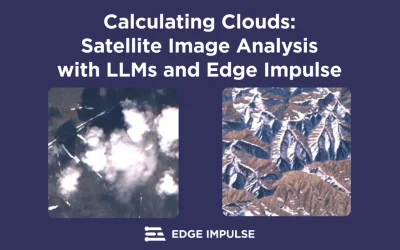
Recently we launched new Edge Impulse functionality that shows just one of the powerful ways that LLMs can be utilized on the edge: using GPT-4o to train a 2,000,000x smaller model, that runs directly on device.

4 minutes read
This article highlights non-terrestrial networks at high altitudes, focusing on R&D and testing efforts to support next-generation telecommunications standards, Beyond 5G and 6G.

6 minutes read
The method could help communities visualize and prepare for approaching storms.