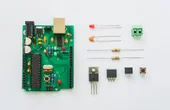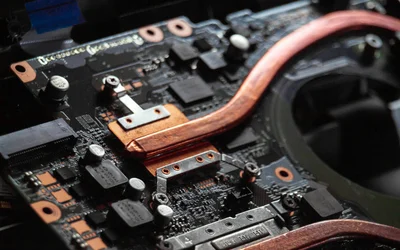
This blog post dives deep into the essentials of thermal management in PCB design, covering key techniques like PCB thermal vias design, PCB heatsink selection, thermal simulation for PCBs, PCB material thermal conductivity, and high power PCB thermal design.
Be the first to know.
Get our pcba weekly email digest.
Tagged with
PCBA
ORGANIZATIONS. SHAPING THE INDUSTRY.
Latest Posts
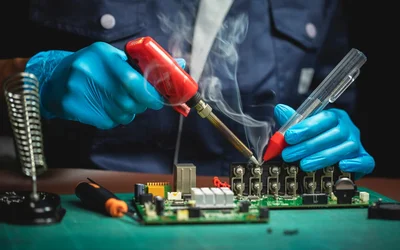
Achieving the right soldering temperature is crucial for strong, reliable solder joints in electronics. This article explores soldering temperatures – from alloy melting points and heat transfer principles to real-world guidelines for hand soldering and reflow processes
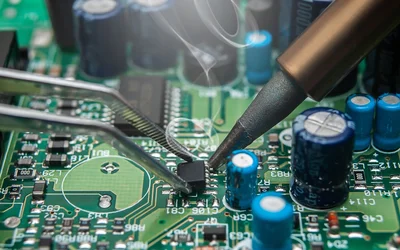
Desoldering is the process of removing solder to detach components from a PCB. Whether you're repairing hardware, modifying a design, or salvaging parts, this hands-on guide walks you through the tools, techniques, and safety tips every electronics pro needs.
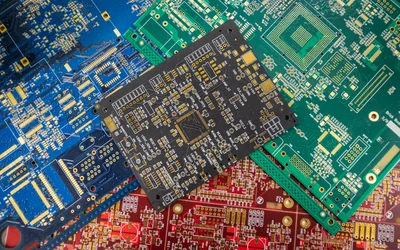
This technical guide explores the various types, material properties, manufacturing processes, and key design considerations associated with blank PCB technology!
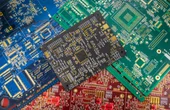
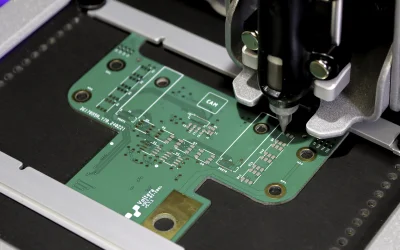
PCBs are essential for electronic circuits, providing mechanical support and electrical connections for components. Factory fabricated (or sometimes called prefabricated) PCBs are pre-manufactured, ready-to-use boards that simplify assembly and ensure consistent quality in electronic devices.
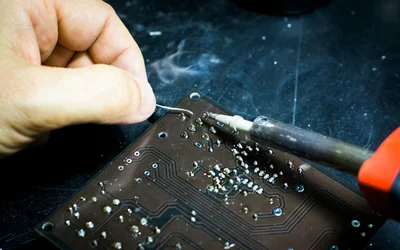
Multilayer PCBs are at the forefront of printed electronics today but bring with them some challenges related to testing and repair.
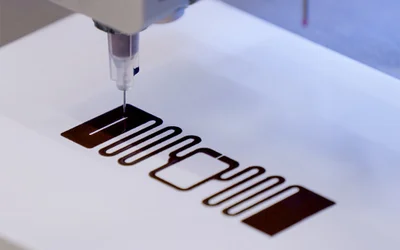
Watch the webinar on sustainable PCB manufacturing hosted by Voltera and Jiva Materials.
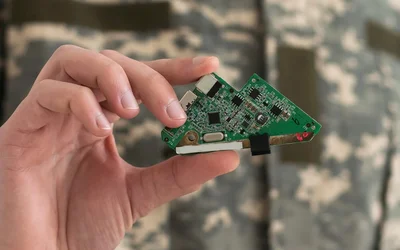
Reliability is a top priority in defense and aerospace electronics in harsh, unforgiving environments. The MIL-I-C standard is a guideline for conformal coating materials that helps keep PCBAs safe from military environments, ensuring dependable performance.

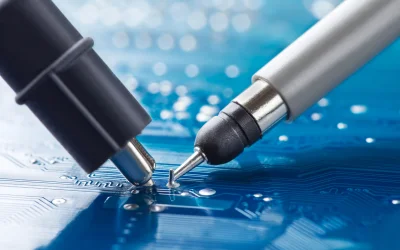
This article explores the principles, methods, and real-world applications of the solderability test, offering insights into how it enhances quality assurance across modern electronics manufacturing processes!
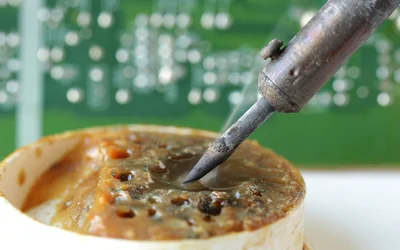
Is soldering paste the same as flux? This technical article clarifies the differences for electronics engineers, covering their functionalities and practical implementations in both manual soldering (repairs, prototyping) and automated soldering (SMT reflow assembly)
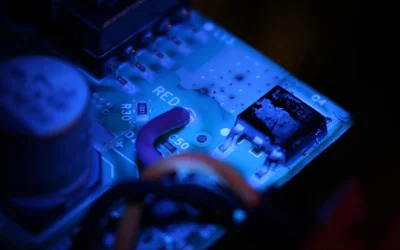
Conformal coatings are polymeric films on printed circuit boards (PCBs) that protect against hazards like moisture, pollution, chemicals, and temperature changes. This layer of material is vital for the longevity and reliability of electronic parts.
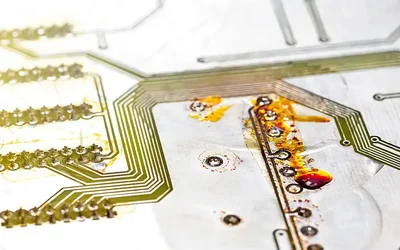
Surface preparation and board cleaning are hot topics in our industry, and an entire history of why this is a debate would be beyond the scope of this article. If you are looking for that type of deep dive, Aqueous has a great reference.
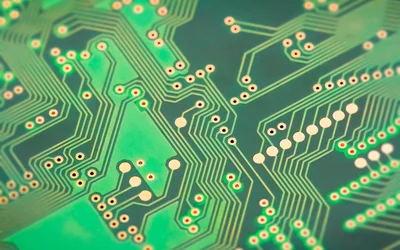
This article explores the key factors influencing trace width, provides practical guidelines, and highlights best practices for selecting the correct dimensions based on current-carrying demands in modern PCB design.
PCBs are integral to the functionality of consumer electronics, providing the necessary infrastructure for complex circuitry in a compact form.

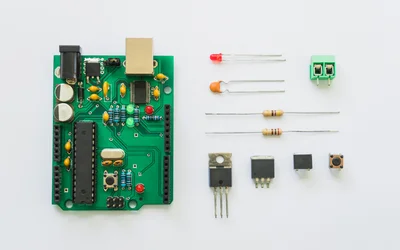
This article provides an in-depth overview of the various PCB components that make up electronic circuits – from passive elements like resistors and capacitors to active semiconductors and electromechanical devices.