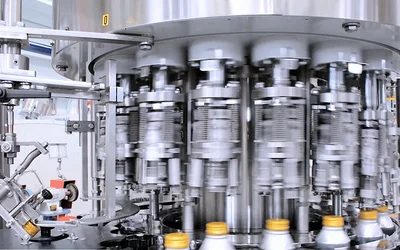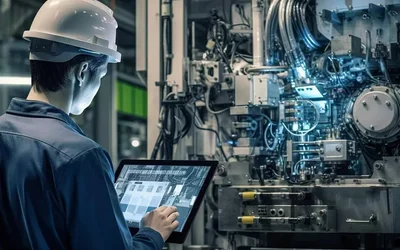


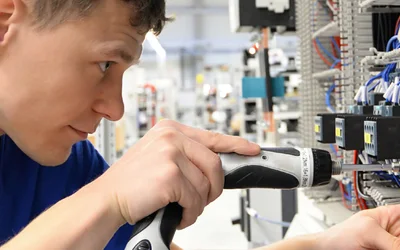
A smart factory is a factory that achieves operational process improvements, higher quality, and lower costs based on digital data by connecting processes from design to development, manufacturing, and maintenance in a network.

8 minutes read
Tagged with


Robotics & Automation
READY Robotics is a robotics software company that vastly simplifies robot ...
24 Posts

Additive Manufacturing
We help innovative engineers 3D print end-use components they can trust usi...
12 Posts
A smart factory is a factory that achieves operational process improvements, higher quality, and lower costs based on digital data by connecting processes from design to development, manufacturing, and maintenance in a network.
8 minutes read
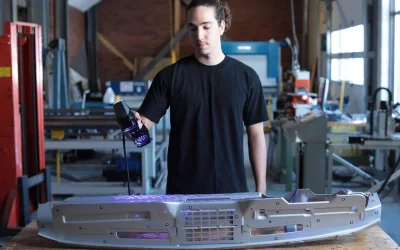
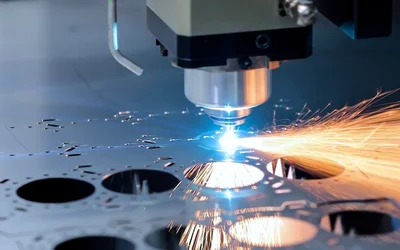
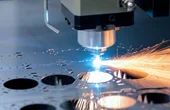
Manufacturing sheet metal is far from a simple task. It requires rigorous inspection, primarily due to the high quality and stringent safety standards required in the automotive industry.

6 minutes read
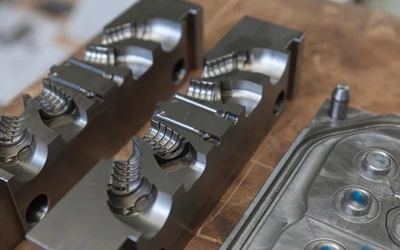
This article will describe the similarities and differences between injection moulding and compression moulding to help you determine which process is best for your project in terms of the manufacturing process, materials used, and production rates.

5 minutes read
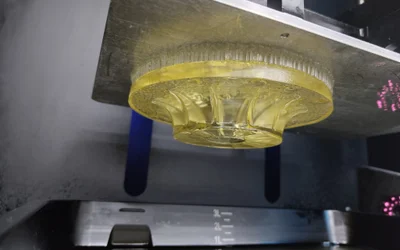
Complexity is a cost driver in most manufacturing processes, and manufacturers have been looking to additive manufacturing as a way to simplify the manufacturing of complex objects.

4 minutes read
The glass transition temperature (Tg) is a fundamental property that allows us to predict, understand and manipulate the performance of polymer materials.
Discover the differences between titanium vs aluminum and choose the perfect material for your next project. Lightweight or strong? Find out now!
Discover the top injection molding materials for high-quality and efficient production. Choose from a wide range of options for your project needs.
Seeking a way to make their high-speed production equipment even more reliable and productive, AROL recently decided to develop an innovative solution to enable data monitoring and predictive maintenance, upgrading their offering with an Industry 4.0 approach.

2 minutes read
Condition Monitoring with LoRaWAN: A guide to its effectiveness in industrial maintenance, the transition from traditional methods, and overcoming implementation challenges
This article sums up everything you need to know about compression moulding: how it works as a manufacturing process, the suitable materials, its benefits, limitations and applications.
6 minutes read
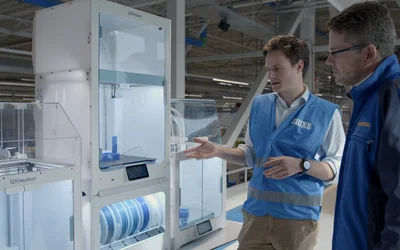
The majority of ERIKS 3D printers are dedicated to prototyping, customized jigs, fixtures, and tooling for production or maintenance purposes.

5 minutes read
An In-depth Exploration of CNC Milling's Precision, Repeatability, and Versatility
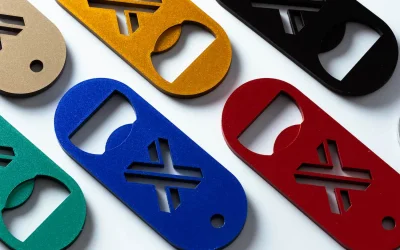
This article explains the post-processing procedure of anodising, its benefits, and an overview of the possible colouring options.
5 minutes read
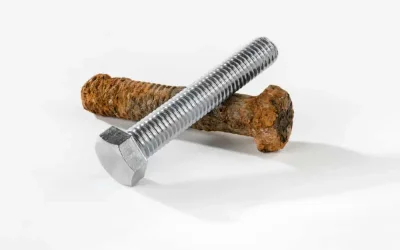
This article sums up the different ways of manufacturing corrosion resistant metal parts, with suitable metal materials, related technological processes and post-processing options.
6 minutes read
Comprehensive set of design guidelines for Freeform Injection Molding