Infineon Technologies KIT A3G TC4D7 LITE AURIX™ A3G Lite Kit
TriCore-based Development Platform for Automotive Embedded Systems
General
| Product Type | Development Boards |
| Applications | Prototyping & Development, Embedded Systems, Automotive Systems |
| Key Features | 32-bit TriCore Architecture, TriCore, USB or 5V–16V External, Up to 192 Devices |
Technical Specifications
| Microcontroller | AURIX TC4D7 (32-bit TriCore Architecture) |
| CPU Architecture | TriCore (Real-Time Multi-Core Processing) |
| Power Supply | USB or 5V–16V External (7V–14V Recommended) |
| Total ISD Capacity | Up to 192 Devices |
| Debug Interface | miniWiggler V3 (Micro-C USB) |
| Communication Interfaces | CAN-XL, Ethernet, LIN, FlexRay |
| Ethernet | RJ45 with 10/100 Mbps PHY (DP83825I) |
| EEPROM | 2 Kb I²C with EUI-48 MAC ID |
| Applications | Automotive Systems, Industrial Applications, Embedded System Development, AI and Data Processing |
Overview
The Infineon Technologies KIT A3G TC4D7 LITE AURIX™ A3G Lite Kit is an evaluation platform based on a 32-bit AURIX TriCore TC4D7 microcontroller, intended for embedded system development and prototyping. The board supports real-time processing and multi-tasking applications using the TriCore architecture. It integrates multiple communication interfaces, including CAN-XL, Ethernet, LIN, and FlexRay, enabling the development of networked automotive and industrial systems.
The kit includes a miniWiggler V3 debug interface with Micro-C USB connectivity for programming and debugging. It supports USB-powered operation as well as external supply inputs ranging from 5V to 16V. Expansion capabilities are provided through Arduino-compatible connectors, mikroBUS, Shield2Go interfaces, and pin headers for accessing MCU signals. Additional onboard components include an Ethernet PHY, CAN transceiver, EEPROM with pre-programmed MAC ID, push buttons, LEDs, and a potentiometer for analog input testing, supporting system evaluation and prototyping workflows.
Features of KIT A3G TC4D7 LITE AURIX™ A3G Lite Kit
The KIT A3G TC4D7 LITE enables embedded development using a TriCore-based microcontroller. It supports multiple communication interfaces, debugging tools, and expansion options for automotive and industrial system prototyping. Let’s go through its features in detail:
Microcontroller Architecture and Processing Capability
The board is based on the AURIX TC4D7 microcontroller featuring a 32-bit TriCore architecture designed for real-time processing and multi-tasking applications. It supports embedded control functions in automotive and industrial systems requiring deterministic performance.
Communication Interfaces and Networking
Multiple communication interfaces are integrated, including CAN-XL, Ethernet, LIN, and FlexRay. The board includes an onboard CAN transceiver and an Ethernet PHY with RJ45 connectivity, enabling development of networked systems and gateway applications.
Debugging and Development Support
A miniWiggler V3 debug interface is integrated with a Micro-C USB connection for programming and debugging. A DAP debug connector is also available for advanced debugging scenarios. The board supports development using compatible toolchains and software environments.
Expansion and Prototyping Flexibility
Expansion is supported through Arduino-compatible connectors, mikroBUS, Shield2Go interfaces, and headers (X1, X2) providing access to most MCU pins. These interfaces enable integration with external modules, sensors, and peripherals for rapid prototyping.
Power Management and Onboard Peripherals
The board supports USB-powered operation and external supply inputs from 5V to 16V. Onboard peripherals include push buttons, LEDs, a reset button, and a variable analog input potentiometer for testing. An I²C EEPROM with a pre-programmed MAC ID supports identification and network configuration.
Applications
The KIT A3G TC4D7 LITE is used in automotive systems such as ADAS, gateways, chassis control, battery management systems, traction inverters, radar processing, and power conversion. In industrial applications, it supports motor control, power electronics, and secure edge computing. The platform is also applicable for artificial intelligence and data processing tasks, including signal processing and secure data handling. It is widely used for embedded system development, software debugging, and hardware prototyping. Engineers use the board to evaluate the performance of TC4D7 microcontroller, test system behavior, and validate datasheet parameters in both research and educational environments.
Where to find it

Mouser Electronics
Mouser Electronics is a worldwide leading authorized distributor of semiconductors and electronic components.
References
Recommended Specs

Continue Reading
This article presents a comprehensive engineering guide to Hall Effect Sensors, covering theoretical foundations, device structures, sensor types, specifications, applications, and practical integration strategies for modern electronic system design.
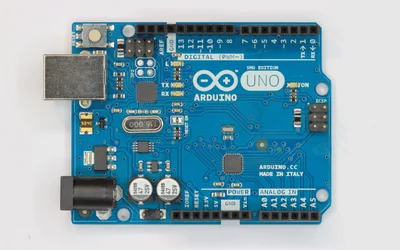
This article covers every aspect of the Arduino UNO pinout, presenting a technical, pin-by-pin explanation to help readers confidently design, analyze, and implement Arduino-based systems.

STM32 vs ESP32 compared on architecture, Wi-Fi, power, peripherals, toolchains, safety, and longevity. Current 2026 specs from vendor datasheets, plus a decision table.
