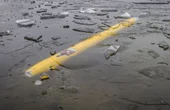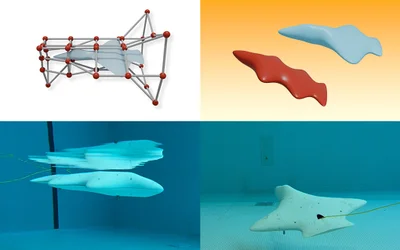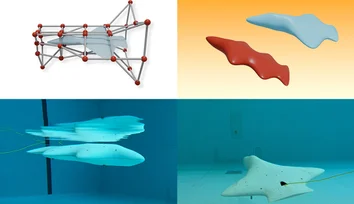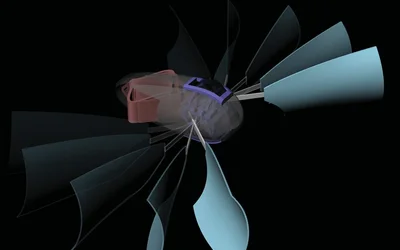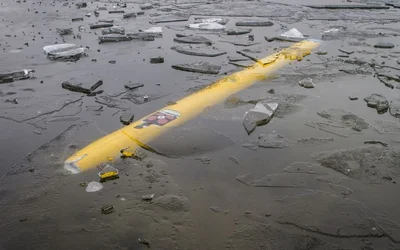
An AI pipeline developed by CSAIL researchers enables unique hydrodynamic designs for bodyboard-sized vehicles that glide underwater and could help scientists gather marine data.
Discover how Deep Trekker rigorously tests and evaluates IMU technologies, comparing MEMS and FOG systems to ensure precise underwater navigation for ROVs.
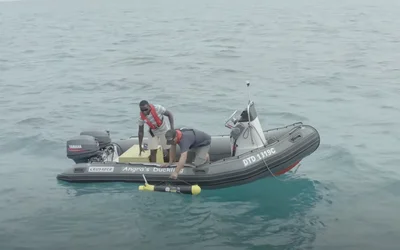
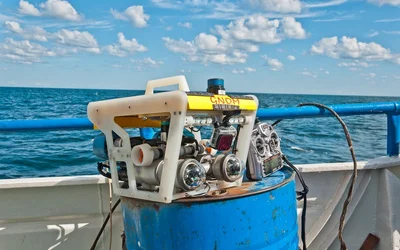
Discover the vital role of underwater positioning in marine science, and how remotely operated vehicles (ROVs) are leading the way in location tracking.
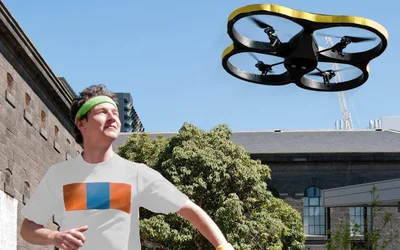
In this episode, we talk about Charm Industrial’s novel approach for carbon offsetting, a concept fitness drone from Hongik University that could be the first to commercialize, and a joint effort between MIT and US Navy to understand how sound waves are altered by water conditions in the North Pole.
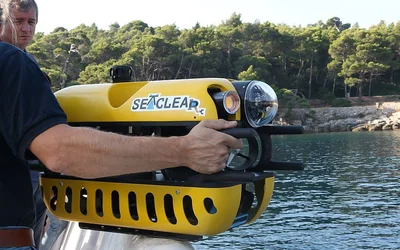
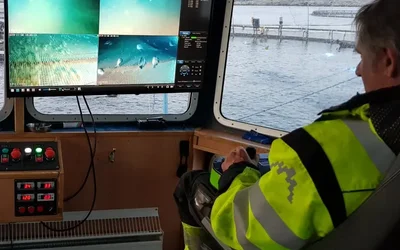
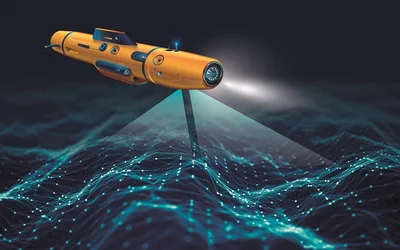
In the new DeeperSense project, an international consortium led by the German Research Center for Artificial Intelligence (DFKI) is working on technologies that combine the strengths of visual and acoustic sensors with the help of artificial intelligence.
Engineers have developed robots capable of self-propulsion without using any motors, servos, or power supply. Instead, these first-of-their-kind devices paddle through water as the material they are constructed from deforms with temperature changes.