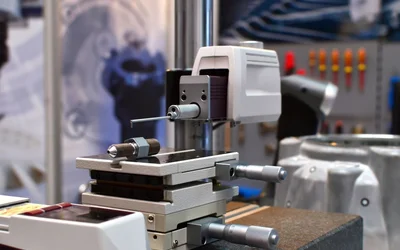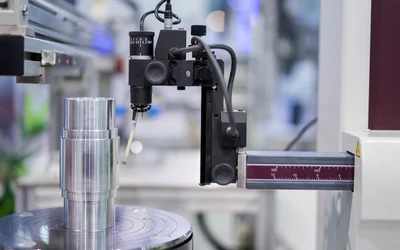
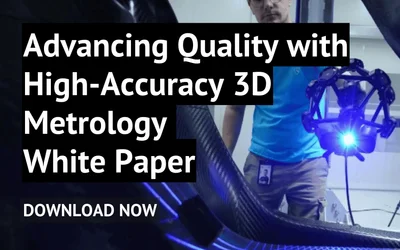
Measuring surface roughness allows metrologists to establish the roughness of a surface for quality control or other purposes. But how exactly is it done?
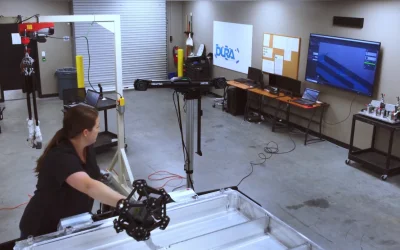
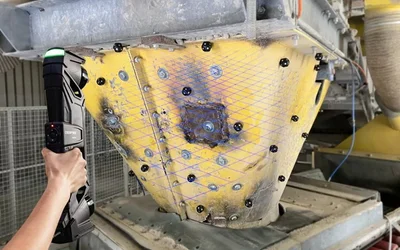
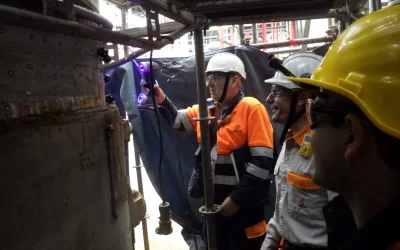
Advanced 3D scanning delivers comprehensive, high-accuracy inspection for massive grinding roller shells. It replaces manual measurement with fast, traceable digital analysis, enabling smarter maintenance and reduced operational costs.
SCANOLOGY's 3D scanning empowers wind turbine blade manufacturers to precisely control core dimensions, eliminate rework, and achieve seamless assembly—turning a long-standing "core challenge" into data-driven manufacturing excellence.
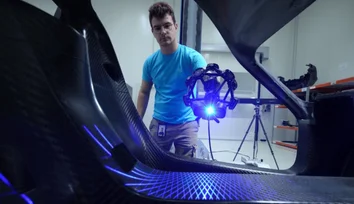
Discover how DDD Control accelerated electric jetski tool design using Scanology's NimbleTrack 3D scanner, achieving high precision, faster validation, and reduced production time.
Management and customers demand realistic implementation of individual welding processes at low costs. These costs are often caused by inefficient work processes, such as reworking due to excess or insufficient use of materials, or customer complaints.
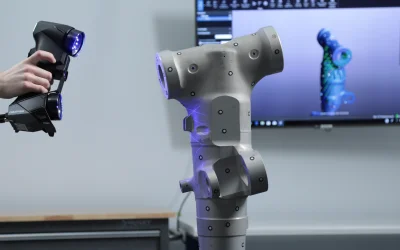
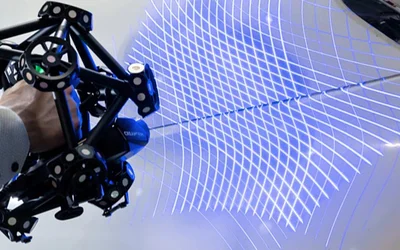
Creaform have compiled a list of their best tips to help you choose a 3D measurement technology that not only meets your current needs but also allows for future growth.
Do you ever question the accuracy and reliability of your quality control (QC) process? Do you ever doubt the quality of your measurement setup, especially if you are a non-expert in 3D scanning?
Using a 3D scanning approach such as Photoneo MotionCam-3D for scoliosis diagnosis provides a noninvasive method that can prevent invasive medical procedures and radiation risks from medical X-ray examinations.
The automotive industry is undergoing a huge transformation. As the world moves towards more sustainable energy sources, electric vehicles (EVs) are becoming a driving force to transition from gas-powered cars.
Discover how creating digital twins using ROVs enables efficient monitoring, and maintenance of underwater assets by exploring the capabilities of advanced modeling techniques.
Measuring surface roughness allows metrologists to establish the roughness of a surface for quality control or other purposes. But how exactly is it done?
Manufacturing sheet metal is far from a simple task. It requires rigorous inspection, primarily due to the high quality and stringent safety standards required in the automotive industry.
The benefits associated with 3D scanning are unanimously acknowledged in the NDT industry. They involve the acquisition of data independent of the user’s expertise or experience, increased precision and repeatability, and significant productivity gains compared to more traditional techniques.
Plant phenotyping has reached a new level! Wageningen University & Research developed a novel technology to determine the size, shape, color, and overall architecture of plants in milliseconds, using Photoneo MotionCam-3D & 3D Instant Meshing SW.
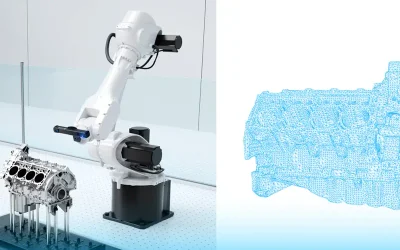
Given the complex geometries of the engines, it would not have been possible to record the missing dimensions. It would also have been virtually impossible to reconstruct hidden elements.