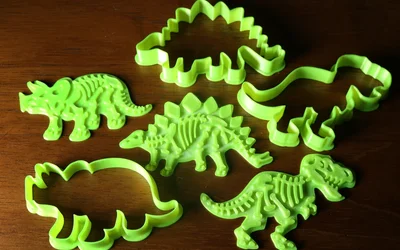
This article looks at materials, regulations, risks, and best practices for creating food-contact objects using food safe 3D printer filament.
Technical Guides
Latest Posts
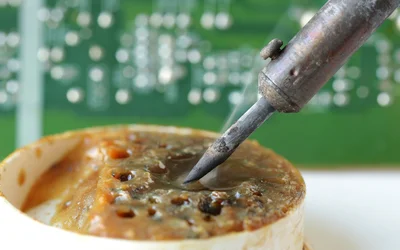
Is soldering paste the same as flux? This technical article clarifies the differences for electronics engineers, covering their functionalities and practical implementations in both manual soldering (repairs, prototyping) and automated soldering (SMT reflow assembly)

Here’s what you need to know about recycling PLA 3D printer filament and cutting back on 3D printing plastic waste.

ABS is a widely used 3D printing filament with good impact resistance and flexural strength. It also exhibits moderate heat resistance, making it a go-to material for mid-temperature 3D printing applications.

Here's what you need to know about nylon (glass-filled), from material properties, to manufacturing processes, to applications, and more.
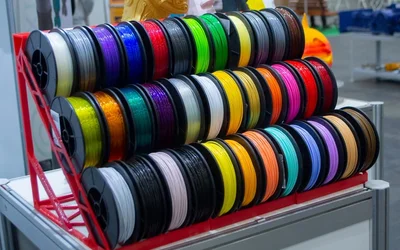
With a relatively low melting point (between 150°C and 180°C), PLA is one of the easiest thermoplastics to 3D print. Here’s how PLA melting point factors into choosing the optimal print settings, such as nozzle temperature and print bed temperature.
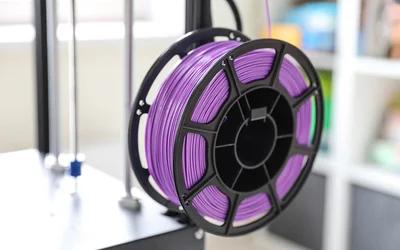
Wet 3D printer filament can lead to ruined prints. Fortunately, proper storage and drying techniques can help prevent and solve the problem. Here’s what to know.
What is the most flexible 3D printing material? Here we discuss the options, from consumer TPU and TPE filaments to industrial-grade elastomers used in SLA and SLS.

Most beginners start their 3D printing journey with PLA filament. After that, two popular material options are PETG, which performs better at higher temperatures, and a modified version of PLA known as PLA+.
As one of the most durable low-cost filaments, ABS is an essential material for most 3D printer users. But ABS print speed can be a limitation on productivity.
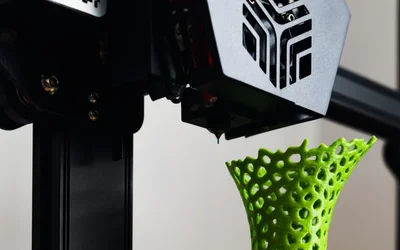
Annealing PLA improves the strength and heat resistance of your 3D printed parts, making them more durable and functional. Here we look at how and when to anneal PLA.
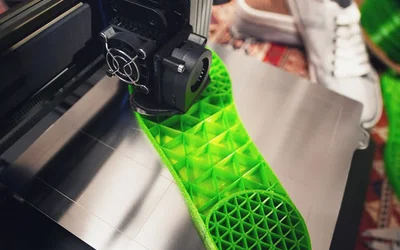
What is TPU filament? Thermoplastic polyurethane (TPU) is one of the most practical and affordable 3D printing materials for making flexible parts. This article looks at how and why to print it.
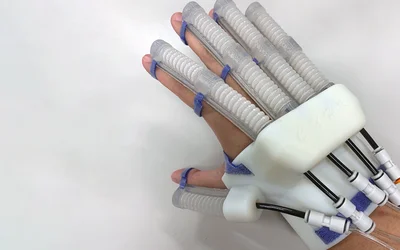
Everything you need to know about how silicone additive manufacturing works, its benefits, applications, and more.
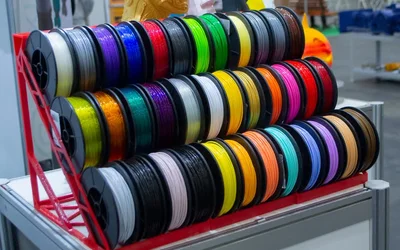
In this guide, we cover all the different types of polymer FDM 3D printing filament, from standard grades like PLA and ABS to advanced high-performance filaments like PEEK and fiber-reinforced materials.
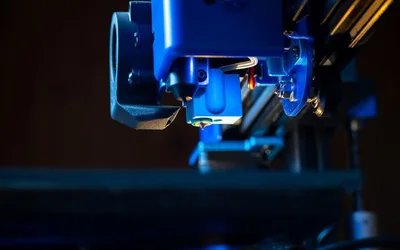
From entry-level FDM machines to industrial-grade metal printers, this guide demystifies the many types of 3D printers available to businesses and consumers.
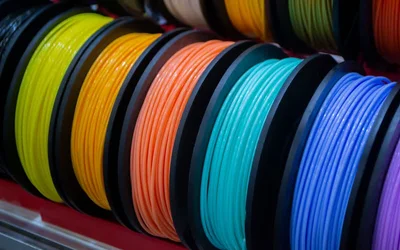
The most commonly used 3D printing filament, PLA is not known for its flexibility. We explore why that is and list some alternative 3D printing materials can be used when flexibility is needed.
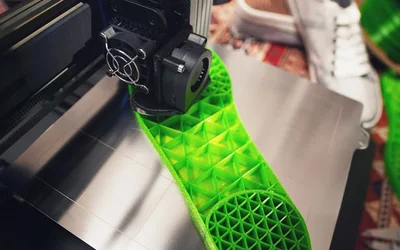
This article explores the thermal properties of TPU, including TPU glass transition temperature, extrusion and bed temperatures, and best practices for successful 3D printing.
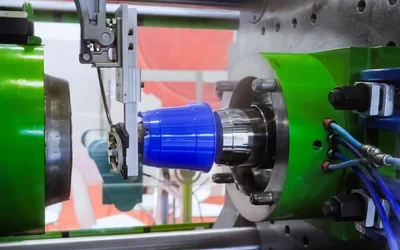
Injection molding problems like sink marks and flash can be prevented by addressing their most common causes. This article serves as a basic troubleshooting guide.
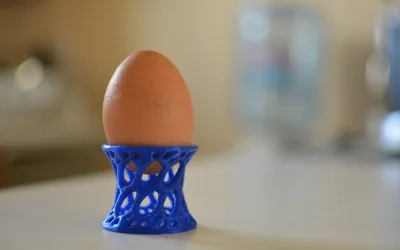
Here's what you need to know in order to 3D print safe food containers, utensils, and kitchenware using PLA filament.


A comprehensive technical analysis of PCB prepreg and core materials, examining their distinct material properties, manufacturing implications, and selection criteria for multilayer PCB design.


An in-depth review of PCB potting, its applications, materials, technologies, and the AI-powered advancement in potting techniques and material engineering.

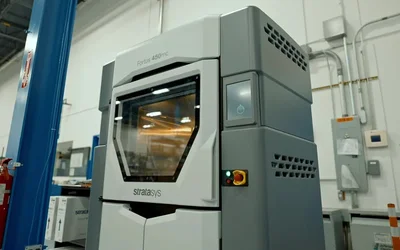
High-temp 3D printer filaments are challenging to print, but they can be used to make vital end-use parts like automotive components.
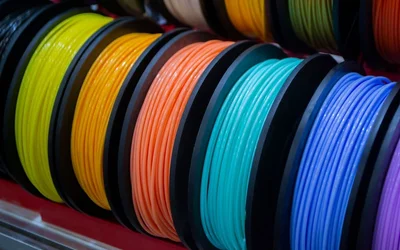
In this article, we look at how three of the most commonly used filaments—PLA, ABS, and PETG—compare in terms of printability, properties, and availability.
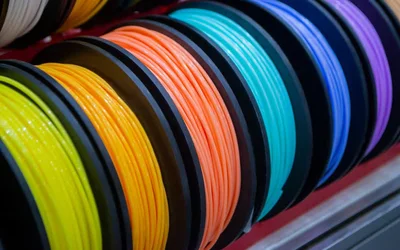
The ASA glass transition temperature is around 100°C. This makes it slightly easier to print than ABS, while it is also better for outdoor applications due to its good UV resistance.
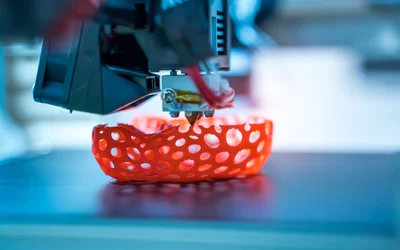
From low-cost plastic filament to engineering-grade titanium powder, the range of available 3D printing materials is wider than ever. Here we look at the key material categories.