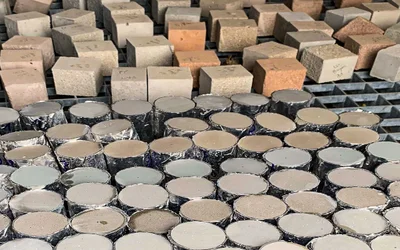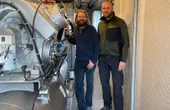
ETH researchers are developing a low-carbon cement with a significantly lower embodied CO2 content than traditional cement. The Ultra Green Concrete project aims to make low-carbon, high-performance concrete widely accessible.
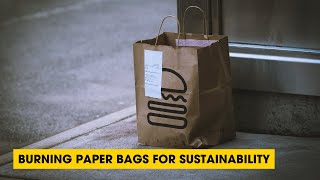
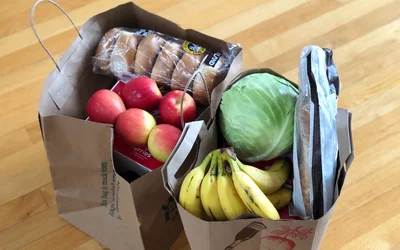
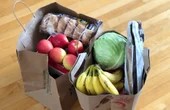
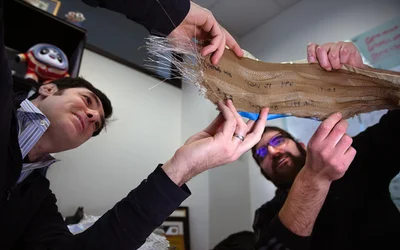
In this episode, we discuss how Penn state researchers accidentally discovered that heat treatment of paper bags could make them stronger - especially when wet - thereby increasing their reusability significantly.
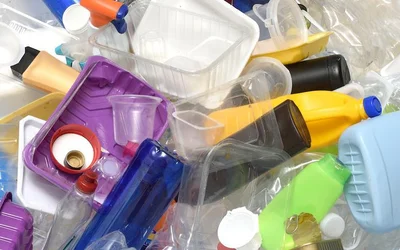
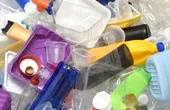
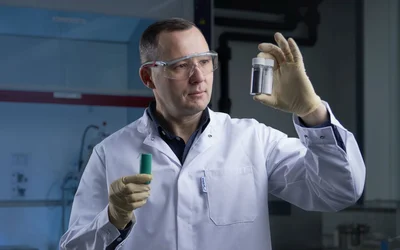
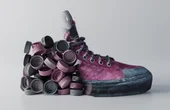
Polymer chemists at Columbia University and Colorado State University have developed a fundamental new chemistry that seeds a creative, chemistry-based solution to the challenge of recycling mixed-use plastics.
As the world searches for ways to reduce the use of plastics such as single-use plastic bags, a novel study by Penn State researchers demonstrates a process to make paper bags stronger — especially when they get wet — to make them a more viable alternative.
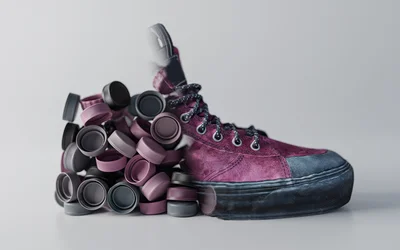
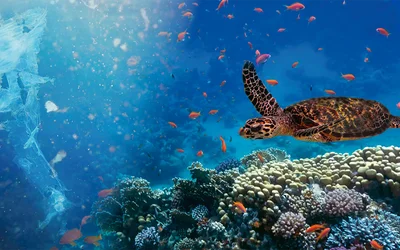
A new study shows what it will take for the plastics industry to become completely sustainable: lots of recycling combined with the use of CO2 from the air and biomass. It is also the image of plastics that need to change.
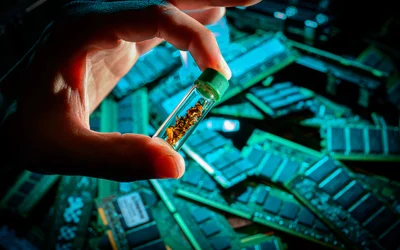
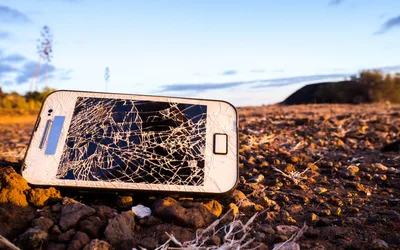
If devices lasted longer and were easier to fix, they could provide many years of good service before recycling. That saves precious materials and the energy needed to manufacture new products.
EPFL scientists have developed a new, PET-like plastic that is easily made from the non-edible parts of plants. The plastic is tough, heat-resistant, and a good barrier to gases like oxygen, making it a promising candidate for food packaging.
Three Cambridge engineers, Dr Cyrille Dunant, Dr Pippa Horton and Professor Julian Allwood, have filed a patent and been awarded new research funding for their invention of the world’s first ever zero-emissions cement.