




This podcast episode promises to supercharge your understanding of the next big thing in IoT.
Be the first to know.
Get our iot weekly email digest.
Tagged with
IoT
ORGANIZATIONS. SHAPING THE INDUSTRY.

Latest Posts
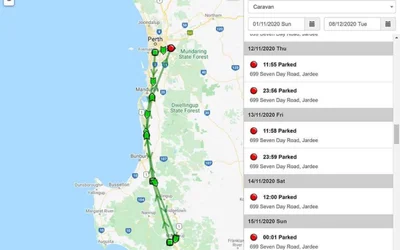
As the world continues to embrace the Internet of Things (IoT), the demand for efficient power management solutions for IoT devices is on the rise.


In today's competitive landscape, organizations can ill afford the risks of unplanned downtime and premature asset failure. This comprehensive guide unveils smart preventive maintenance strategies to minimize operational disruptions while maximizing productivity and ROI.

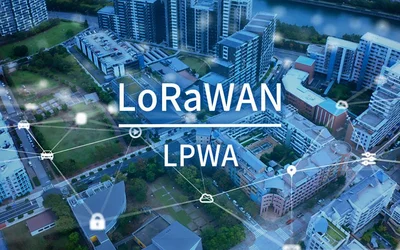
LoRaWAN is a standard within LPWA (Low Power Wide Area) wireless communication that uses the unlicensed band (sub-GHz band) that does not require a radio station license and features wide-area and long-distance communication as well as low speeds and low power consumption.

7 minutes read


Harnessing cutting-edge technology to optimize energy efficiency, comfort, and security in modern buildings

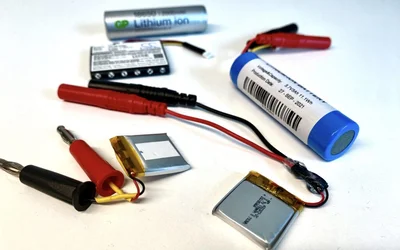
Once the first prototype of your IoT device becomes available, it is essential to start power profiling and estimating battery life. This process involves gaining a comprehensive understanding of the device's configuration and power consumption characteristics within its specific deployment context.

5 minutes read
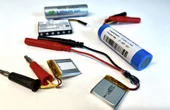

Discover how Particle's M-Series transforms global asset tracking and fleet management for improved efficiency and security.


With the growing threat of cyberattacks, it is essential that developers keep security considerations in mind throughout the design process. By following some practical tips and recommendations, developers can guard against a wide range of attack scenarios.


Smart connectivity is helping to lay the foundations for improved productivity and worker safety in the all-important architecture, engineering, and construction (AEC) industry. To that end, technology companies are introducing a wide range of innovative products to power connected construction.

3 minutes read


The coming years will see a surge in Edge AI advancements, driven by real-time, efficient, and privacy-focused AI applications, alongside innovations in Wi-Fi and IoT, marking a promising future shaped by researchers, industry leaders, and open-source contributions.

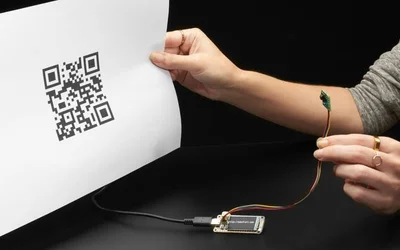
Discover how the AI-powered Tiny Code Reader by Useful Sensors revolutionises data input and verification tasks, offering unparalleled efficiency and accuracy. Explore the benefits for businesses and developers in integrating this cutting-edge technology into their operations.

The global transition to electrified personal transport is gaining momentum, with consumer electric vehicles (EVs) leading the way. According to the International Energy Agency (IEA), EV sales exceeded 10 million units in 2022.
4 minutes read

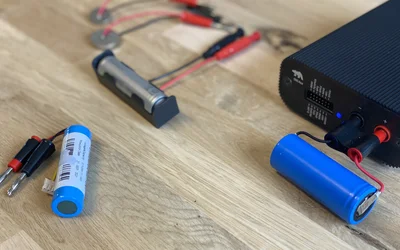
Choosing the appropriate battery for IoT devices is critical to ensure optimal performance and longevity. There are several factors to consider when selecting a battery that aligns with the specific requirements of the application, allowing for reliable and long-lasting power supply.


For some IoT products, connectivity failure is a momentary inconvenience. For others, it’s a disaster.

3 minutes read


In the ever-evolving landscape of agriculture, the integration of technology has proven to be a game-changer. One of the most transformative advancements in recent years is the widespread adoption of the Internet of Things (IoT).
2 minutes read