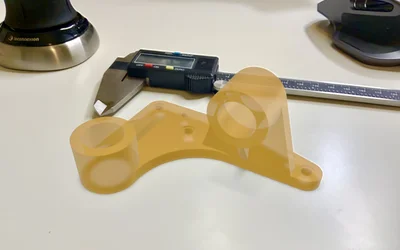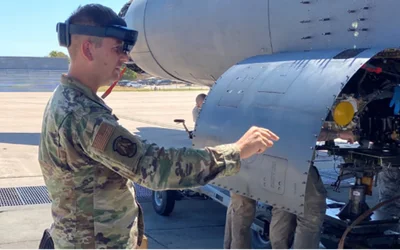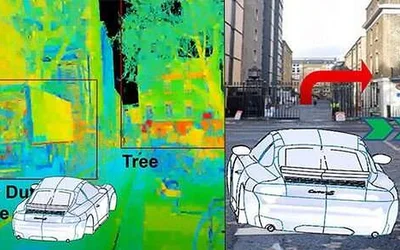

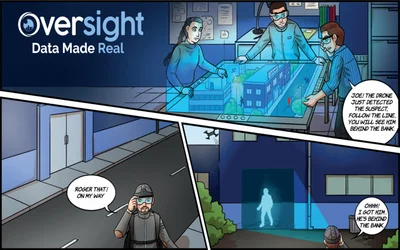
Using AR/VR technology, Oversight gives emergency responders the ability to literally SEE THROUGH WALLS and strengthens the connectivity between control rooms and field operators.

5 minutes read
Tagged with




Using AR/VR technology, Oversight gives emergency responders the ability to literally SEE THROUGH WALLS and strengthens the connectivity between control rooms and field operators.
5 minutes read
Accelerate design cycles. Lower development costs. Reduce waste.

4 minutes read
Virtual and augmented reality are becoming increasingly useful for manufacturing, maintenance, construction and surveying activities, but what good is an advanced immersive visual medium if you can’t use it for very long?

2 minutes read
Augmented reality (AR) head-up displays (HUDs) are widely considered to be the future of connected vehicles, but more human-centred studies are needed to assess the impact of AR on the driver while operating a vehicle on public roads, say Cambridge researchers.
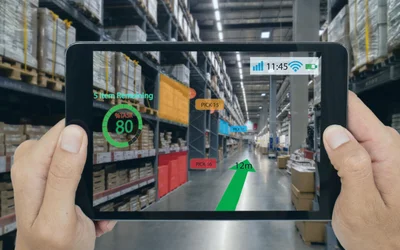
How retail uses IoT, AI, Computer Vision, VR, and AR to transform into an automated, data-rich, and highly personalized environment.

9 minutes read
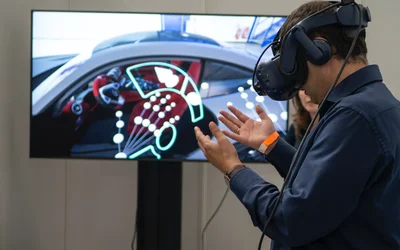
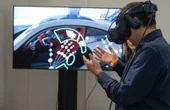
In this episode, we talk about how the introduction of scent can enhance the VR experience and phobia treatment along with an implementation of mixed reality for automotive development which promises a more efficient development flow.

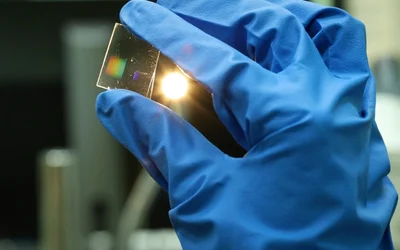
Researchers have conducted a study that showed that nanolattices possess high spectral selectivity. Their layers can be used as color filters for specific wavelength ranges, and one glass plate can contain records of up to six layers.

5 minutes read
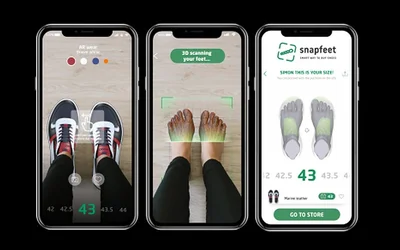
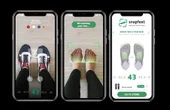
Snapfeet is a new mobile phone app that shows how well shoes will fit based on the 3D shape of the user’s foot. It also offers a simple augmented reality (AR) visualisation of what the shoes will look like on the feet.
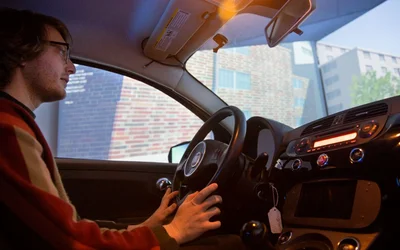
Cornell Tech researchers have developed a mixed-reality (XR) driving simulator system that could lower the cost of testing vehicle systems and interfaces, such as the turn signal and dashboard.

3 minutes read
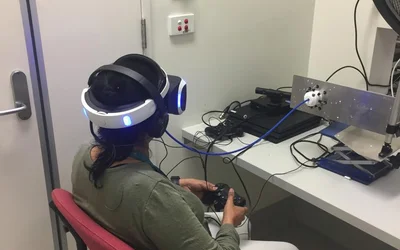
Putting volunteers into the virtual reality world of Capcom's zombie-filled Resident Evil 7, researchers have found that smells — particularly unpleasant ones — have a measurable effect on user presence, in a study which could prove important for future VR training systems.
Marketing engineering products and services requires a strategic distribution of content in various forms. Using a combination of tech articles, e-books, newsletters, social posts, events, podcasts, and other sponsored content can significantly boost brand awareness.
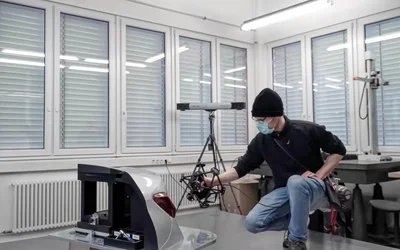
ATD GmbH, automotive supplier from Germany, is using 3D metrology solutions for quality control

4 minutes read
Virtual reality (VR) is no longer the sci-fi dream promised to many for decades, but never quite delivered. In fact, 2016 could even be the year of VR. CNN Money, among others, named it one of its only two biggest tech trends this year

3 minutes read
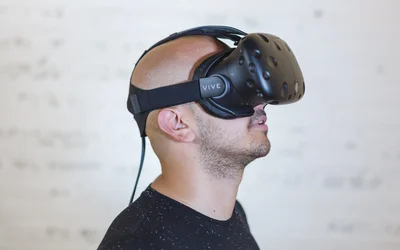
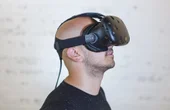
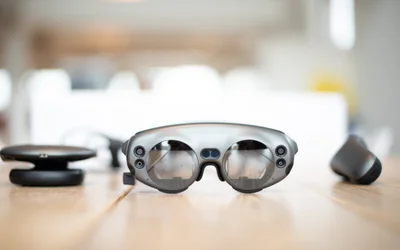
Head-mounted devices for virtual and augmented reality come in different shapes and sizes from the minimal Google Glass to the fully immersive HTC vive. At their core, head-mounted displays consist of two primary structural elements, optics and image displays.