Featured
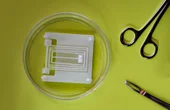
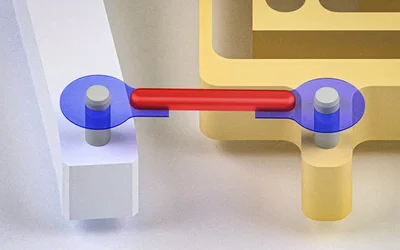
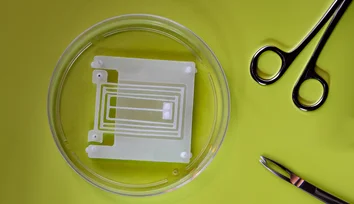
New modular, spring-like devices maximize the work of live muscle fibers so they can be harnessed to power biohybrid bots.
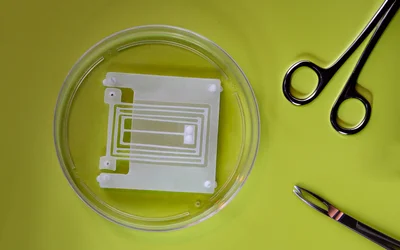
New modular, spring-like devices maximize the work of live muscle fibers so they can be harnessed to power biohybrid bots.
New modular, spring-like devices maximize the work of live muscle fibers so they can be harnessed to power biohybrid bots.
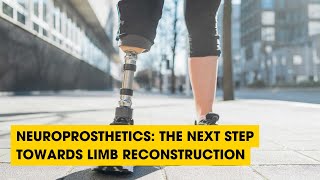
In this episode, we discuss a breakthrough from ETH Zurich to mimic natural foot signals to the brain using state of the art neuroprosthetics.
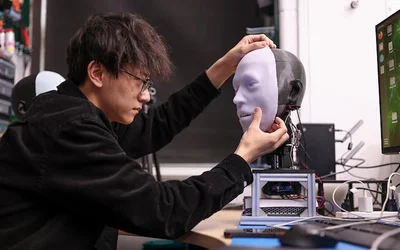
Columbia engineers build Emo, a silicon-clad robotic face that makes eye contact and uses two AI models to anticipate and replicate a person’s smile before the person actually smiles


Quadruped Robot
Unitree is a world-renowned robotics company focusing on the independent de...
3 Posts

Additive Manufacturing/ Material Synthesis/
Akira Science provide you as a researcher with pliable 3D-printed scaffolds...
1 Post

Machinery Manufacturing
We Are Giving Human Materials the Superpowers of Nature Using Lasers
1 Post
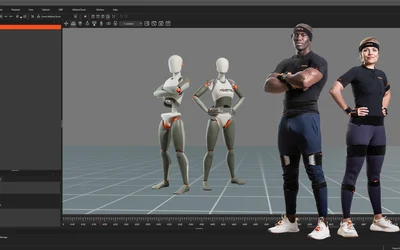
With MVN Analyze
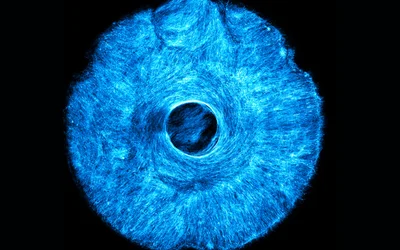
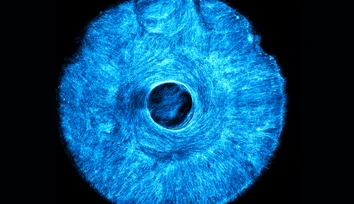
Engineers create biomaterial that behaves like animal muscle fibers
Diffusion-MPC helps robot plan tasks
The new design from MIT engineers could pump up many biohybrid builds.
MIT engineers developed a way to grow artificial tissues that look and act like their natural counterparts.
New modular, spring-like devices maximize the work of live muscle fibers so they can be harnessed to power biohybrid bots.
New modular, spring-like devices maximize the work of live muscle fibers so they can be harnessed to power biohybrid bots.
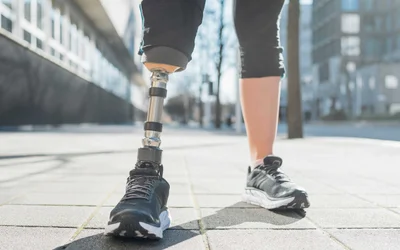
In this episode, we discuss a breakthrough from ETH Zurich to mimic natural foot signals to the brain using state of the art neuroprosthetics.

14 minutes read
Columbia engineers build Emo, a silicon-clad robotic face that makes eye contact and uses two AI models to anticipate and replicate a person’s smile before the person actually smiles

4 minutes read
In this episode, we discuss how CalTech researchers have created bionic jellyfish to help us explore the oceans and better understand the impacts of climate change.
16 minutes read
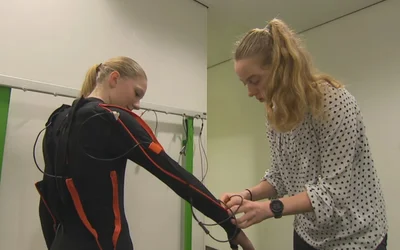
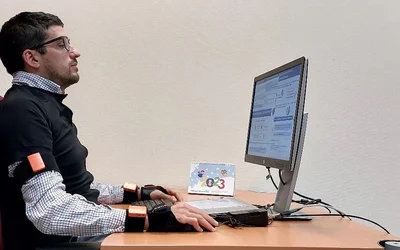
FREMAP uses Xsens motion capture to analyze the ergonomic impact of progressive lenses in the workplace and makes recommendations for improvement

4 minutes read
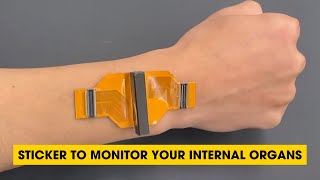
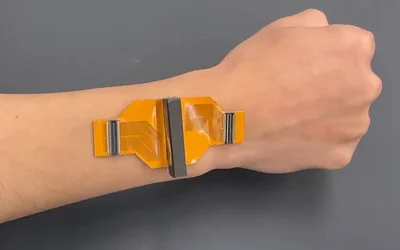
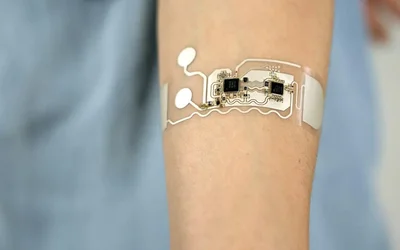
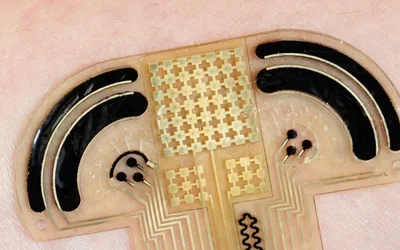
In this episode, we discuss a novel sticker capable of monitoring the health of organs in real time allowing for more successful organ transplants and catching signs of diseases earlier than ever!
17 minutes read
Prostheses that connect to the nervous system have been available for several years. Now, researchers at ETH Zurich have found evidence that neuroprosthetics work better when they use signals that are inspired by nature.

6 minutes read
Jellyfish can't do much besides swim, sting, eat, and breed. They don't even have brains. Yet, these simple creatures can easily journey to the depths of the oceans in a way that humans, despite all our sophistication, cannot.

4 minutes read
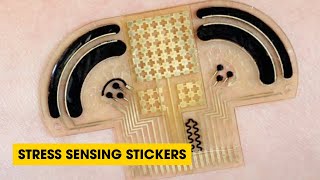
In this episode, we discuss the shortcomings of previous attempts at making flexible wearable sensors and how researchers at CalTech have addressed them to create high performance stress sensor stickers.
19 minutes read
The sticky, wearable sensor could help identify early signs of acute liver failure.
The COVID-19 pandemic and advancements in sensor technology have led to the widespread adoption of wearable health monitoring devices, particularly for telemedicine, to facilitate remote patient monitoring.
In the latest of a series of innovative designs for wearable sensors that use sweat to identify and measure physiological conditions, Caltech's Wei Gao has devised an "electronic skin" that continuously monitors nine different markers that characterize a stress response.
4 minutes read
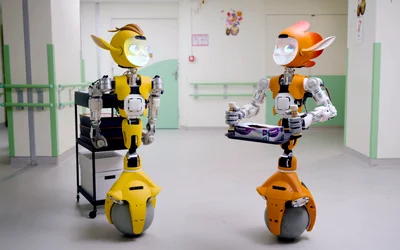
A year ago, French company Enchanted Tools unveiled its prototype humanoid robot, Mirokaï. The ambitious team plans to produce 100,000 robots by 2032.
Textiles are tactile, sensorial and visual. Qualities can be modified or even expanded when technology is added, transforming passive textiles into active and interactive devices, monitoring and detecting bodily functions due to their constant contact with our skin.

3 minutes read
A new ETH study compares 27 humanoid robots with humans and comes to the conclusion that while robots have better components, they are still not capable of achieving as much. However, according to the authors of the study, the machines are catching up.
4 minutes read