Featured
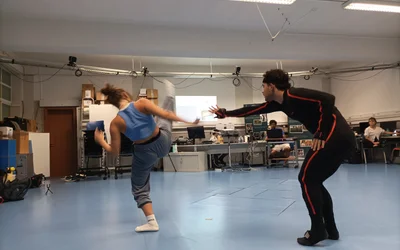
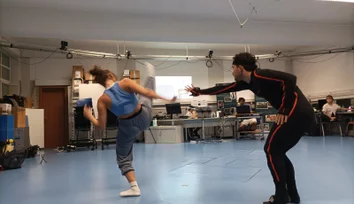
We’ve adapted motion capture data for Unitree H1, H1-2, and G1 humanoid robots, using numerical optimization methods to make their movement trajectories more natural.

We’ve adapted motion capture data for Unitree H1, H1-2, and G1 humanoid robots, using numerical optimization methods to make their movement trajectories more natural.
We’ve adapted motion capture data for Unitree H1, H1-2, and G1 humanoid robots, using numerical optimization methods to make their movement trajectories more natural.
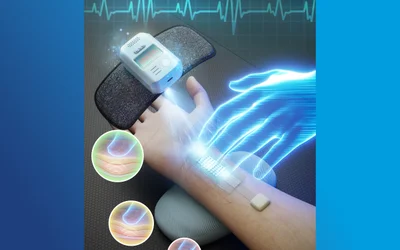
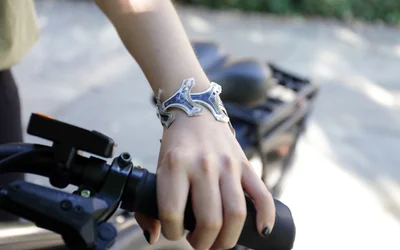
A team led by Penn State researchers looked first not to the future, but back — to principles of pulse monitoring in traditional Chinese medicine, first described more than 3,000 years ago.


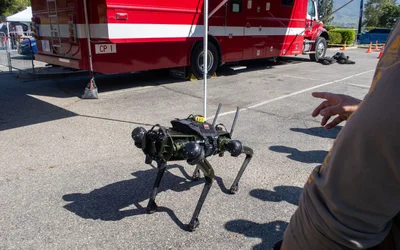
Quadruped Robot
Unitree is a world-renowned robotics company focusing on the independent de...
3 Posts

Additive Manufacturing/ Material Synthesis/
Akira Science provide you as a researcher with pliable 3D-printed scaffolds...
1 Post

Machinery Manufacturing
We Are Giving Human Materials the Superpowers of Nature Using Lasers
1 Post
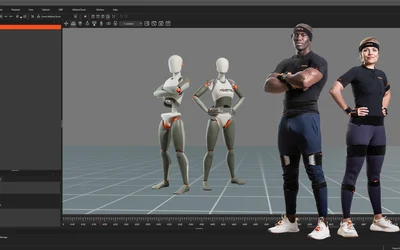
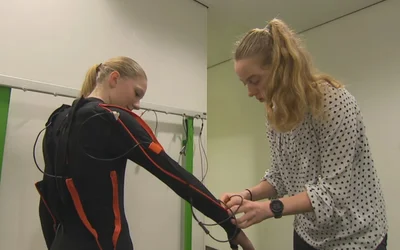
With MVN Analyze
Engineers create biomaterial that behaves like animal muscle fibers
Diffusion-MPC helps robot plan tasks
The new design from MIT engineers could pump up many biohybrid builds.
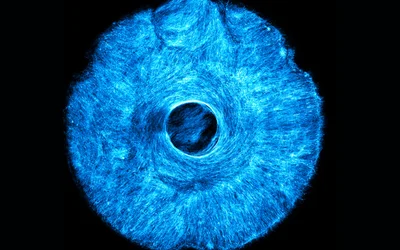
MIT engineers developed a way to grow artificial tissues that look and act like their natural counterparts.
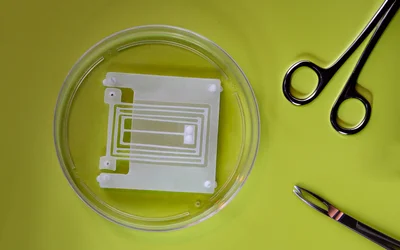
New modular, spring-like devices maximize the work of live muscle fibers so they can be harnessed to power biohybrid bots.
We’ve adapted motion capture data for Unitree H1, H1-2, and G1 humanoid robots, using numerical optimization methods to make their movement trajectories more natural.

A team led by Penn State researchers looked first not to the future, but back — to principles of pulse monitoring in traditional Chinese medicine, first described more than 3,000 years ago.

3 minutes read
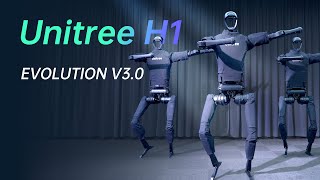
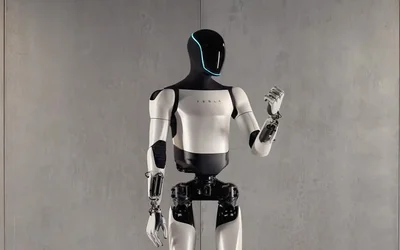
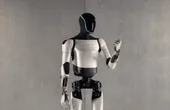
[full-size humanoid] Evolution V3.0
Price below $90k
AI-driven robots need to learn new actions as fast as possible. This is very important.
By Xsens MVN Analyze

4 minutes read
In order to promote the development of the global embodied AI industry, the Unitree G1 robot operation data set is open sourced, adapted to a variety of open source solutions, and continuously updated.
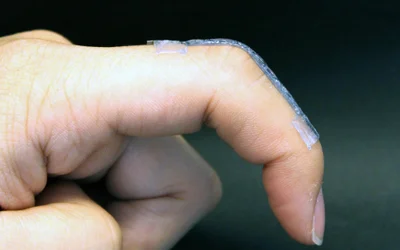
Two new kinds of on-skin electronics allow users to build and customize them directly on the body – with potential applications in biometric sensing, medical monitoring, interactive prosthetic makeup and more.

3 minutes read
The G1 robot can perform a standing long jump of up to 1.4 meters, possibly the longest jump ever achieved by a humanoid robot of its size in the world, standing only 1.32 meters tall.
Robots, combined with artificial intelligence (AI), are transforming industries such as manufacturing, healthcare, and research.

10 minutes read
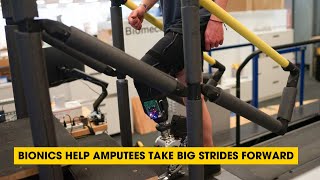
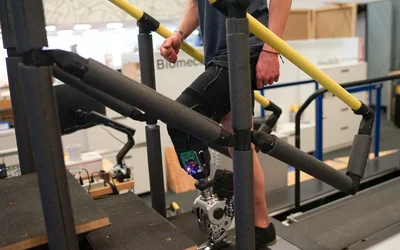
In this episode, we explore an innovative prosthesis driven by the nervous system that helps people with amputations walk naturally and discover how this cutting-edge technology is transforming mobility and enhancing the quality of life for amputees by restoring a natural gait.

16 minutes read
A new surgical procedure gives people more neural feedback from their residual limb. With it, seven patients walked more naturally and navigated obstacles.
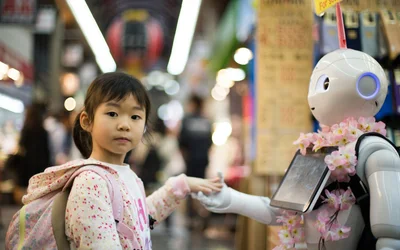
Exploring innovations, capabilities, and the future of robotic companions
To advance soft robotics, skin-integrated electronics and biomedical devices, researchers at Penn State have developed a 3D-printed material that is soft and stretchable — traits needed for matching the properties of tissues and organs — and that self-assembles.
3 minutes read
In this episode, we discuss research coming out of Columbia University to better connect humans with robots by having them detect, process, and respond to facial expressions!
17 minutes read