In this episode, we explore how researchers at Harvard developed an AI-powered wearable system that uses inexpensive motion sensors to estimate running forces that previously required specialized biomechanics labs.

15 minutes read
In this episode, we explore how researchers at Harvard developed an AI-powered wearable system that uses inexpensive motion sensors to estimate running forces that previously required specialized biomechanics labs.
15 minutes read
In this episode, Oscar Lovera, COO International at Xometry, explains how AI and digital marketplaces are simplifying custom manufacturing, making it as easy as booking travel online while connecting engineers with manufacturers worldwide.
41 minutes read
In this episode, we speak with Matt Bell (VP of Outbound Operations at Mouser Electronics) about what it takes to run logistics and fulfillment at the scale of one of the world's largest electronics distributors—and how automation can improve operations without replacing people.
27 minutes read
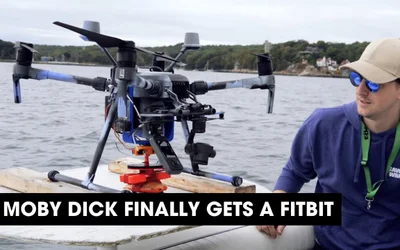
In this episode, we explore how Ocean Alliance uses 3D-printed drone systems to deploy wearable tags on whales, unlocking continuous data on how these giants move, dive, and live underwater.
13 minutes read
In this episode, we talk about MIT's bio-resorbable RFID smart pill that activates in -10 minutes after swallowing to verify a dose in real time.
11 minutes read
This episode celebrates five years of The Next Byte with a recap of 2025, highlighting standout episodes through The "Saucies" Awards, reflecting on major trends, sharing predictions for 2026, and thanking the global listener community.
In this episode, we explore the engineering behind Unitree's newest boxing robot demo, the history of humanoid robots, and why robotics might create a new F1-esque sport in the combat sports realm.
13 minutes read
In this episode, we talk about the engineers that built a wireless tag that detects and remembers overheating without a chip or a battery, enabling cold-chain monitoring without creating electronic waste.
12 minutes read
In this episode, we explore how researchers used a fiber-optic style thermal drawing process (similar to stretching candy) to create liquid-metal smart fibers that sense motion with high precision, unlocking new possibilities for wearables, soft prosthetics, and touch-sensitive humanoid robots.
13 minutes read
In this episode, we cover how scientists mapped zebrafish brains when swimming and used that map to power a real robot fish. The robot can hold its position in flowing water using vision alone, revealing new neuron types, and proving biology can teach robots to move smarter.
12 minutes read
In this episode, we talk about how a shift in perspective regarding wind farm power production led to a model that can increase global output by 5% and a much overdue redesign of turbine blades for hydroelectric power dams that'll enable sustainable power production.
In this episode, we cover ETH Zurich's biodegradable heart patch that combines 3D printing, living heart cells, and smart materials to seal and heal damaged heart tissue - paving the way for true cardiac regeneration after heart attacks.
9 minutes read
MIT's SustainaPrint gives 3D printing the "Hannah Montana treatment" by combining eco-friendly plastics with tough materials only where needed, delivering the best of both worlds with strong AND sustainable prints
11 minutes read
In this episode, we cover how researchers trained a quadruped robot to play badminton, teaching it to track the shuttlecock, move into position, and swing a racket in real time, showing how AI can bring robots closer to human-like coordination.
11 minutes read
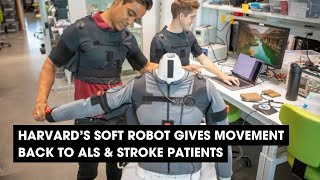
In this episode, we cover Harvard's soft wearable robot that learns a patient's intent and provides just-enough support, helping stroke and ALS patients regain independence in everyday tasks.
12 minutes read