




Be the first to know.
Get our healthcare  weekly email digest.

Tagged with

healthcare

ORGANIZATIONS. SHAPING THE INDUSTRY.

0.7lhbnvhkq07BannerTNBPage1
0.smk0znbx548THENEXTBYTETile2

The Next Byte

Entertainment

The Next Byte Podcast is hosted by two young engineers - Daniel and Farbod - who select the most interesting tech/engineering cont...

165 Posts

0.x2mzlvogv9jepfl

EPFL

University

Located in Switzerland, EPFL is one of Europe’s most vibrant and cosmopolit...

56 Posts

0.xmvluk5q0xdHTCE Logo

High Tech Campus Eindhoven

High Tech

High Tech Campus Eindhoven is Europe's smartest square km and has the ultim...

49 Posts

0.ixjjkho0v19eth 1

ETH Zurich

University for science and technology

Freedom and individual responsibility, entrepreneurial spirit and open-​min...

43 Posts

0.7jhzcsqy3xfharvard

Harvard University

University

At the Harvard John A. Paulson School of Engineering and Applied Sciences (...

42 Posts

Latest Posts

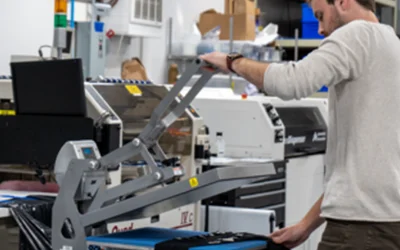
This guide will focus on the key stages of the medical device development process, touching on the development timeline for different medical products. We will also discuss the various challenges and opportunities for product development in the medical device industry.

Stages of Medical Device Development: A Comprehensive Guide

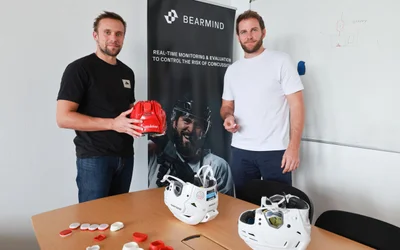
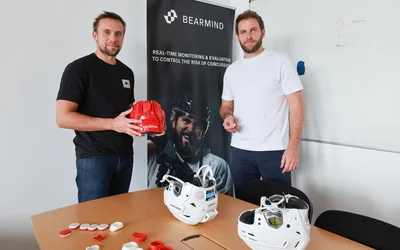
Players may not be aware of the severity of head impacts suffered during a game. Bearmind, an EPFL spin-off, has developed smart helmets that provide a series of metrics enabling coaches to monitor the neurological effects of head impacts suffered by their players. The firm hopes to quickly conquer the US market.
Smart helmets to prevent head trauma

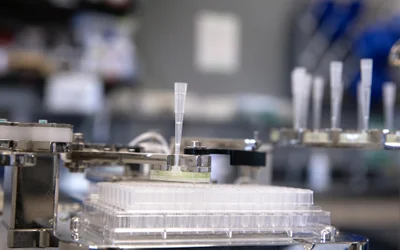
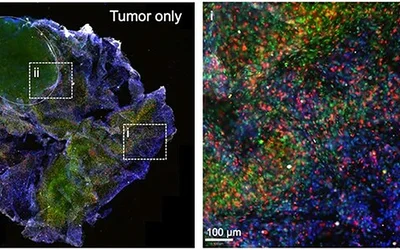
Researchers have developed a 3D bioprinter for cancer research that can be folded into a carry-on pack, transported, and easily reassembled for printing inside a biosafety cabinet. The technology can perform rapid and reproducible manufacture of complex tumouroids – 3D cell cultures which resemble tumour tissues – to test potential immunotherapy treatments.

Introducing 'BioArm' - the portable 3D bioprinter joining the fight against cancer

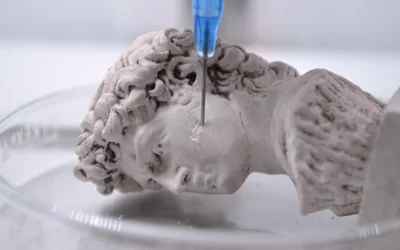
In this episode we talk about how researchers at EPFL have developed a new method of 3D printing bone-like composites using bacteria-infused ink. The process involves the use of hydrogel as a printing medium that provides a scaffold for bacterial growth, which produces calcium carbonate crystals that mimic the properties of bone.

Podcast: Building Bones with Bacteria-Infused Ink

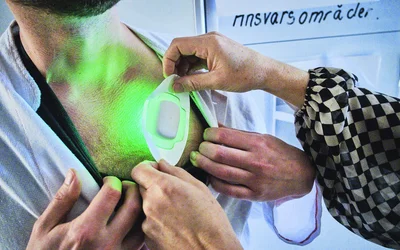
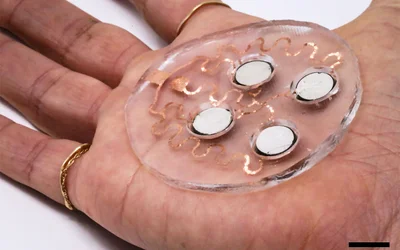
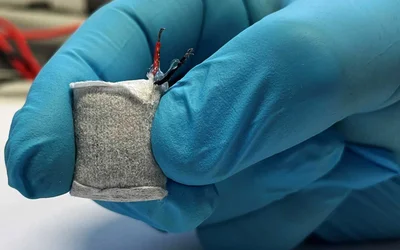
A fuel cell under the skin that converts blood sugar from the body into electrical energy sounds like science fiction. Yet it works perfectly, as an ETH Zurich research team led by Martin Fussenegger, Professor of Biotechnology and Bioengineering, has shown.

Generating power with blood sugar