Featured
As the first AEO-certified procurement service provider, FACTUREE resolves logistics friction for procurement teams.

As the first AEO-certified procurement service provider, FACTUREE resolves logistics friction for procurement teams.
As the first AEO-certified procurement service provider, FACTUREE resolves logistics friction for procurement teams.
Discover how Parasoft helps engineering teams unify verification, automate compliance reporting, and accelerate testing using the tools they already trust.
See how certified GoogleTest helps embedded teams lower training costs, simplify compliance workflows, and accelerate safety-critical software delivery with Parasoft.
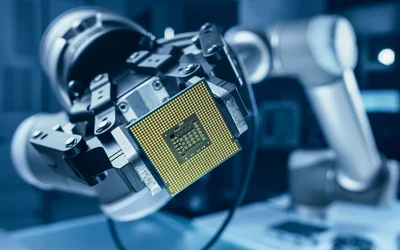
This technical article examines the mechanical engineering principles of CoWoS Packaging Technology, its mechanism, control systems, and performance metrics that define this cutting-edge technology!
19 minutes read.
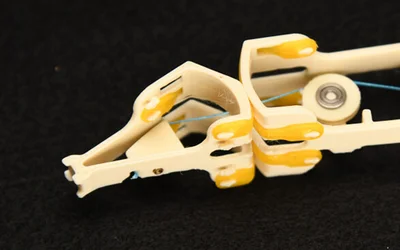
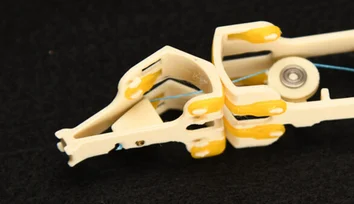
New design method adjusts all parts of rolling contact joints
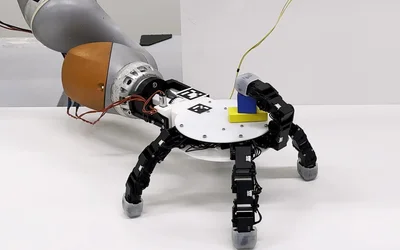
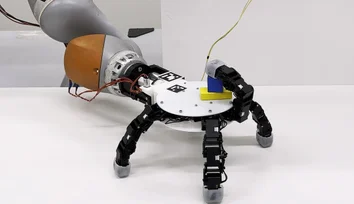
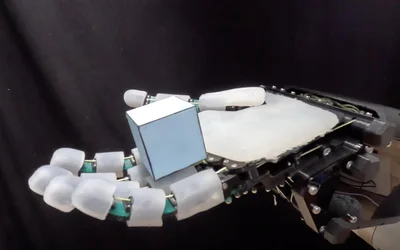
A robotic hand developed at EPFL surpasses the limits of human dexterity with a dual-thumbed, reversible-palm design that can detach from its robotic 'arm' to reach and grasp multiple objects.
The new design could be adapted to assist the elderly, sort warehouse products, or unload heavy cargo.
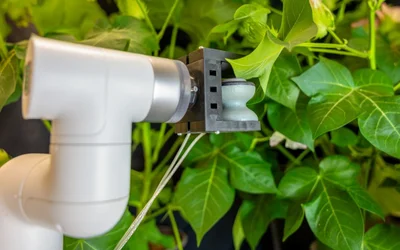
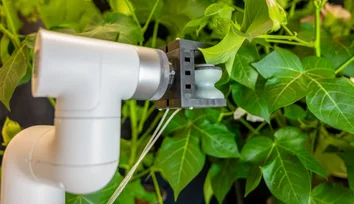
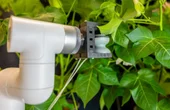
Cornell researchers have developed a soft robotic device that gently grips and injects living plant leaves with sensors that help it detect and communicate with its environment. The robot can also inject genetic material that could be used for bioengineering plants in the future.
As the first AEO-certified procurement service provider, FACTUREE resolves logistics friction for procurement teams.
Discover how Parasoft helps engineering teams unify verification, automate compliance reporting, and accelerate testing using the tools they already trust.
See how certified GoogleTest helps embedded teams lower training costs, simplify compliance workflows, and accelerate safety-critical software delivery with Parasoft.
Most IoT deployments don't fail because the hardware breaks. They fail because of decisions made in a conference room, about connectivity, security, and architecture, that nobody revisits until the damage is done.
As the first AEO-certified procurement service provider, FACTUREE resolves logistics friction for procurement teams.
Discover how Parasoft helps engineering teams unify verification, automate compliance reporting, and accelerate testing using the tools they already trust.
See how certified GoogleTest helps embedded teams lower training costs, simplify compliance workflows, and accelerate safety-critical software delivery with Parasoft.
Most IoT deployments don't fail because the hardware breaks. They fail because of decisions made in a conference room, about connectivity, security, and architecture, that nobody revisits until the damage is done.

7 minutes read
New design method adjusts all parts of rolling contact joints

4 minutes read
A robotic hand developed at EPFL surpasses the limits of human dexterity with a dual-thumbed, reversible-palm design that can detach from its robotic 'arm' to reach and grasp multiple objects.

3 minutes read
The new design could be adapted to assist the elderly, sort warehouse products, or unload heavy cargo.
Cornell researchers have developed a soft robotic device that gently grips and injects living plant leaves with sensors that help it detect and communicate with its environment. The robot can also inject genetic material that could be used for bioengineering plants in the future.

4 minutes read
A robotic hand developed at EPFL can pick up 24 different objects with human-like movements that emerge spontaneously, thanks to compliant materials and structures rather than programming.
3 minutes read
This technical article examines the mechanical engineering principles of CoWoS Packaging Technology, its mechanism, control systems, and performance metrics that define this cutting-edge technology!
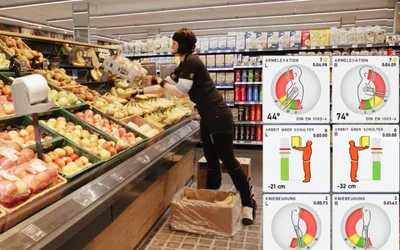
Improved occupational health and safety can enhance productivity by 46% and boost employee well-being. To address these opportunities, Xsens is launching a crash course on topics like injury risk reduction, regulation compliance, and the positive influence of safer workspaces.

2 minutes read
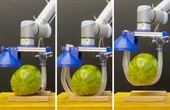
A robot mimics the folded look of rose petals to grasp complex shapes more easily than a traditional hand. A pneumatic clamp makes it easier for people with motor disabilities to safely wield kitchen knives. Prostheses utilize shape memory polymers to better replicate the range of motion of a limb.
3 minutes read
Multi-institution team uses quantitative imaging technology, innovative robotic device to capture tissue in minutes, preserve for advanced genomic study
6 minutes read
Discover the role of factory automation in ESG compliance.
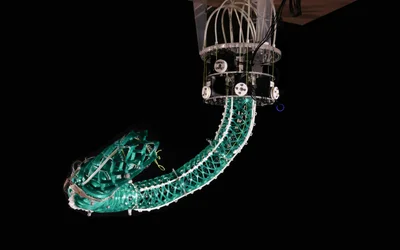
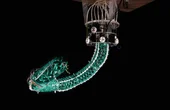
EPFL researchers have designed a bio-inspired robot with a novel trimmed helicoid structure that allows for a wide range of motion and safe interaction with humans.