Featured
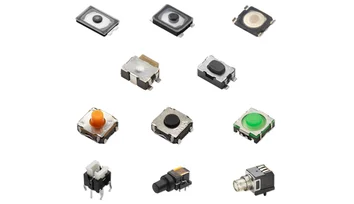
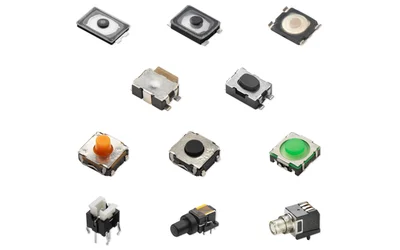
The TactSure platform combines tactile performance with the dependability required by professional equipment manufacturers worldwide.
The TactSure platform combines tactile performance with the dependability required by professional equipment manufacturers worldwide.
The TactSure platform combines tactile performance with the dependability required by professional equipment manufacturers worldwide.
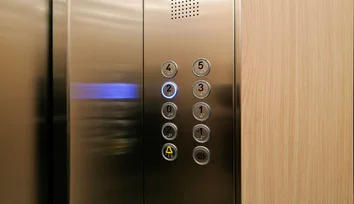
Anti-Vandal Switches for Public HMIs (Human-Machine Interface).
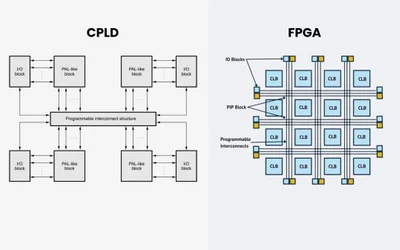
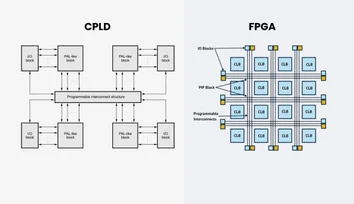
This article presents a comprehensive technical analysis of CPLD vs FPGA, focusing on their architectural distinctions, performance metrics, design flows, and implementation methodologies.
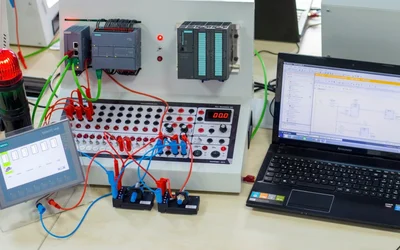
In this article, we'll see how PLC and SCADA systems differ, how they work together, and which protocols, scan times and security controls matter in industrial automation.
14 minutes read.
18 minutes read.
The TactSure platform combines tactile performance with the dependability required by professional equipment manufacturers worldwide.
Anti-Vandal Switches for Public HMIs (Human-Machine Interface).
This article presents a comprehensive technical analysis of CPLD vs FPGA, focusing on their architectural distinctions, performance metrics, design flows, and implementation methodologies.
Discover how 5G RedCap enables cost-efficient, low-power connectivity for industrial gateways and rugged IoT, bridging the gap between LTE and full 5G performance.
The TactSure platform combines tactile performance with the dependability required by professional equipment manufacturers worldwide.
Anti-Vandal Switches for Public HMIs (Human-Machine Interface).
This article presents a comprehensive technical analysis of CPLD vs FPGA, focusing on their architectural distinctions, performance metrics, design flows, and implementation methodologies.
Discover how 5G RedCap enables cost-efficient, low-power connectivity for industrial gateways and rugged IoT, bridging the gap between LTE and full 5G performance.
Modernization Without Disruption: Preserving the Industrial Core While Enabling Innovation
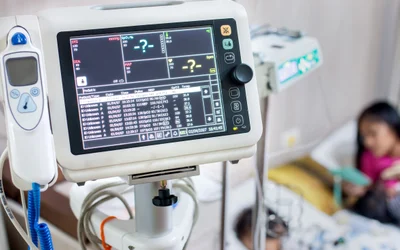
Murata EMI noise suppression devices help medical electronics maintain reliability, safety, and compliance by reducing high-frequency interference in compact high-power designs.
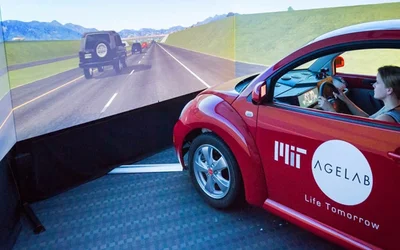
A decade-plus alliance between MIT's AgeLab and Toyota's Collaborative Safety Research Center is recognized as a key contributor to advancements in automotive safety and human-machine interaction.
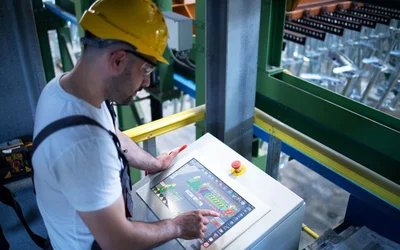
Automation concepts cover a range of increasingly complex machine initiatives that enhance all areas of 21st century life, and are especially useful for streamlining commercial and production processes.
Discover the transformative shift in human-machine interaction as touchless technologies redefine how we interact with machines.
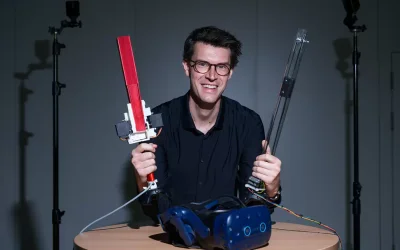
How can virtual reality (VR) be experienced haptically, i.e., through the sense of touch? This is one of the fundamental questions that modern VR research is investigating.
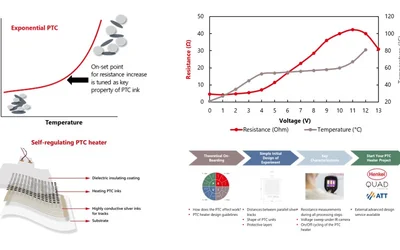
Heaters are one of the most successful applications of printed electronics. At first they seem deceptively simple, yet their successful realization is in fact an art relying on the interplay of all the elements from the right material selection to right design, right printing, etc. Learn how here.

6 minutes read
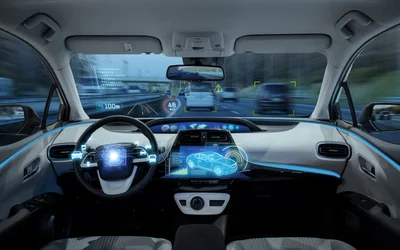
Balancing Innovation with Safety in the Age of Smart Mobility

5 minutes read

Embroidery was historically a means of adorning fabrics with intricate patterns,a testament to human skill.In the modern era, this ancient art form has significantly evolved, becoming a pioneering tech at the intersection of artistry & functionality. Learn here about Embroidered Electronics Textiles
6 minutes read
In this article, we'll see how PLC and SCADA systems differ, how they work together, and which protocols, scan times and security controls matter in industrial automation.
Distributed Control System(DCS) is vital in industrial automation due to its ability to centralize control, monitor processes in real-time, and ensure efficient and safe operations. It enhances process control, improves efficiency, and safeguards operational reliability for maximum productivity