Wet 3D printer filament can lead to ruined prints. Fortunately, proper storage and drying techniques can help prevent and solve the problem. Here’s what to know.
Technical Guides
Latest Posts
CAD file types are fundamental to modern engineering workflows. This guide explores different CAD file formats, explaining their uses, advantages, and how to choose the right format.

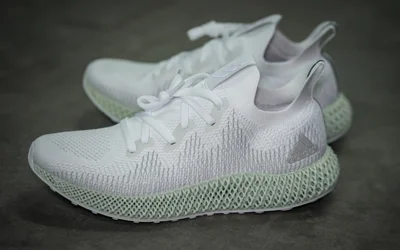
What is the most flexible 3D printing material? Here we discuss the options, from consumer TPU and TPE filaments to industrial-grade elastomers used in SLA and SLS.

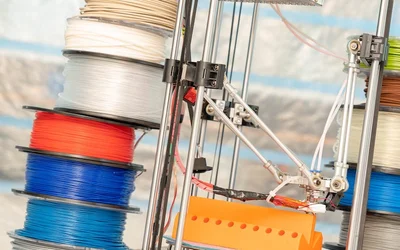
Most beginners start their 3D printing journey with PLA filament. After that, two popular material options are PETG, which performs better at higher temperatures, and a modified version of PLA known as PLA+.
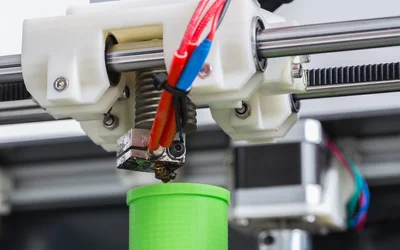
When setting up your 3D printer for the first time or swapping out components, knowing how to perform E-step calibration is vital for ensuring the right amount of filament gets extruded.
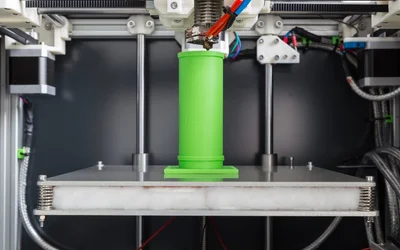
As one of the most durable low-cost filaments, ABS is an essential material for most 3D printer users. But ABS print speed can be a limitation on productivity.
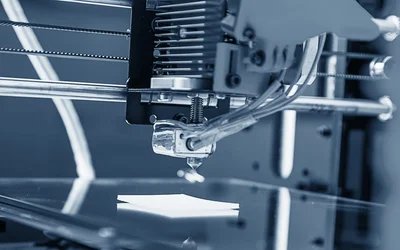
From temperature settings, to print speed, to build surface, here are our suggestions for improving bed adhesion when 3D printing PETG.
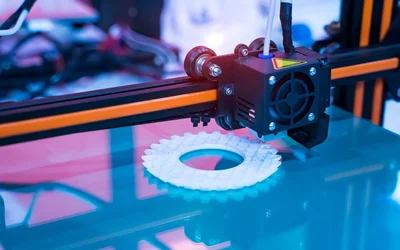
Surface imperfections on a 3D print can be frustrating but they’re not insurmountable. Here is how to prevent and fix 3D print blobs and zits by adjusting 3D printer and slicer settings.

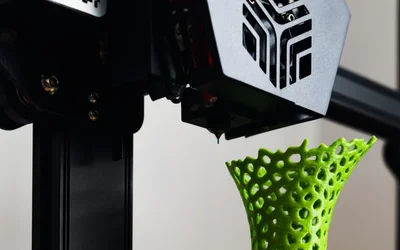
Annealing PLA improves the strength and heat resistance of your 3D printed parts, making them more durable and functional. Here we look at how and when to anneal PLA.
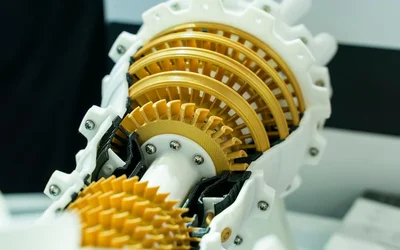
Part strength is sometimes seen as a weakness of 3D printing. But how strong are 3D printed parts really, especially compared to injection molding?

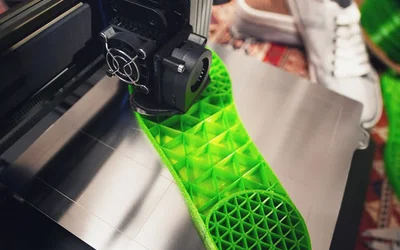
What is TPU filament? Thermoplastic polyurethane (TPU) is one of the most practical and affordable 3D printing materials for making flexible parts. This article looks at how and why to print it.
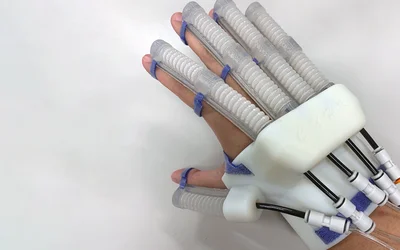
Everything you need to know about how silicone additive manufacturing works, its benefits, applications, and more.
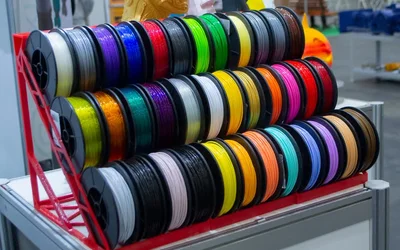
In this guide, we cover all the different types of polymer FDM 3D printing filament, from standard grades like PLA and ABS to advanced high-performance filaments like PEEK and fiber-reinforced materials.
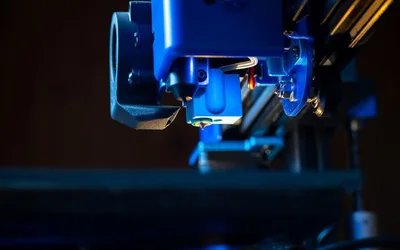
From entry-level FDM machines to industrial-grade metal printers, this guide demystifies the many types of 3D printers available to businesses and consumers.
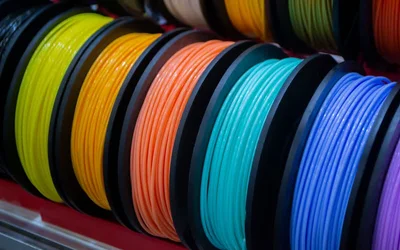
The most commonly used 3D printing filament, PLA is not known for its flexibility. We explore why that is and list some alternative 3D printing materials can be used when flexibility is needed.
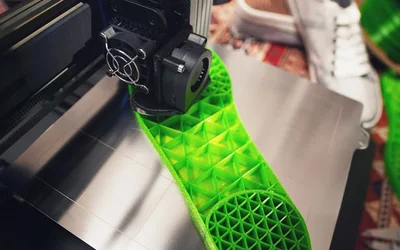
This article explores the thermal properties of TPU, including TPU glass transition temperature, extrusion and bed temperatures, and best practices for successful 3D printing.
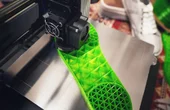
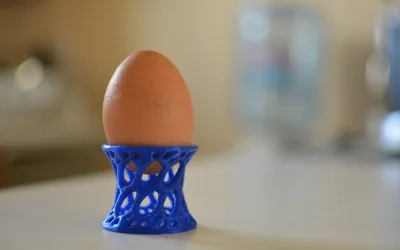
Here's what you need to know in order to 3D print safe food containers, utensils, and kitchenware using PLA filament.

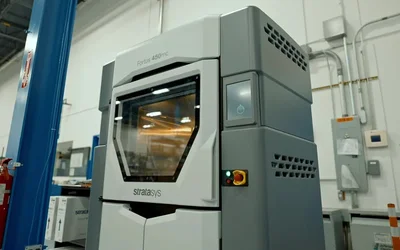
High-temp 3D printer filaments are challenging to print, but they can be used to make vital end-use parts like automotive components.
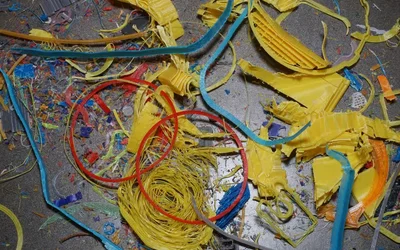
As one of the few thermoplastic 3D printing materials derived from natural sources, PLA is often assumed to be the most eco-friendly. But is that true?


Everything you need to know about Cura tree supports, including how they work, key slicer settings, their pros and cons, and when to use them.

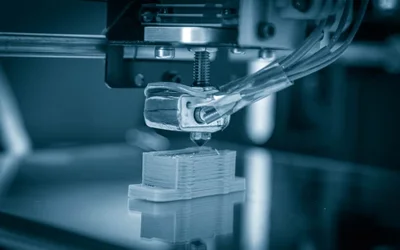
Unwanted lines in 3D prints can show up for many reasons and take different forms. Here we look at the most common types of lines in 3D prints and how to eliminate them.
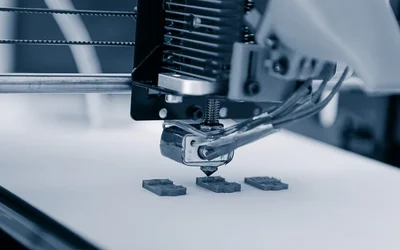
Retraction is a useful feature of FDM 3D printers that helps to prevent common issues like oozing and stringing. Cura retraction settings enable precise control over the retraction process, but the parameters can be confusing to beginners.
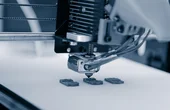
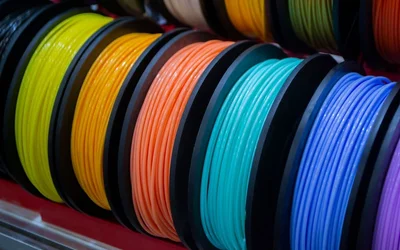
In this article, we look at how three of the most commonly used filaments—PLA, ABS, and PETG—compare in terms of printability, properties, and availability.
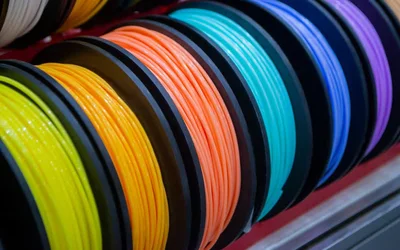
The ASA glass transition temperature is around 100°C. This makes it slightly easier to print than ABS, while it is also better for outdoor applications due to its good UV resistance.
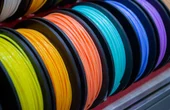
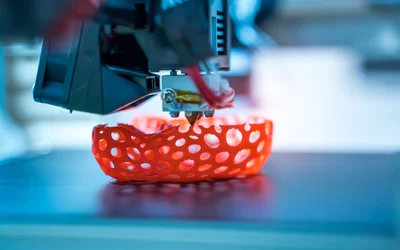
From low-cost plastic filament to engineering-grade titanium powder, the range of available 3D printing materials is wider than ever. Here we look at the key material categories.