High-Performance Switching Solutions for Power Tools
Learn how high-performance switching solutions improve power tool reliability, safety, battery management, and durability in demanding cordless applications.

25 Sep, 2026. 5 minutes read
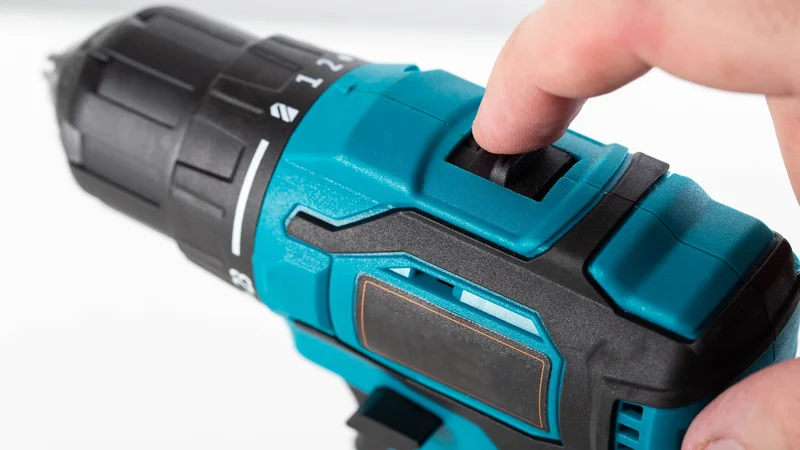
Cordless power tools have evolved beyond simple battery-powered alternatives to corded equipment. Today’s professional tools rely on lithium-ion batteries, brushless motors, and intelligent electronic controls to deliver the power, runtime, and portability contractors expect.
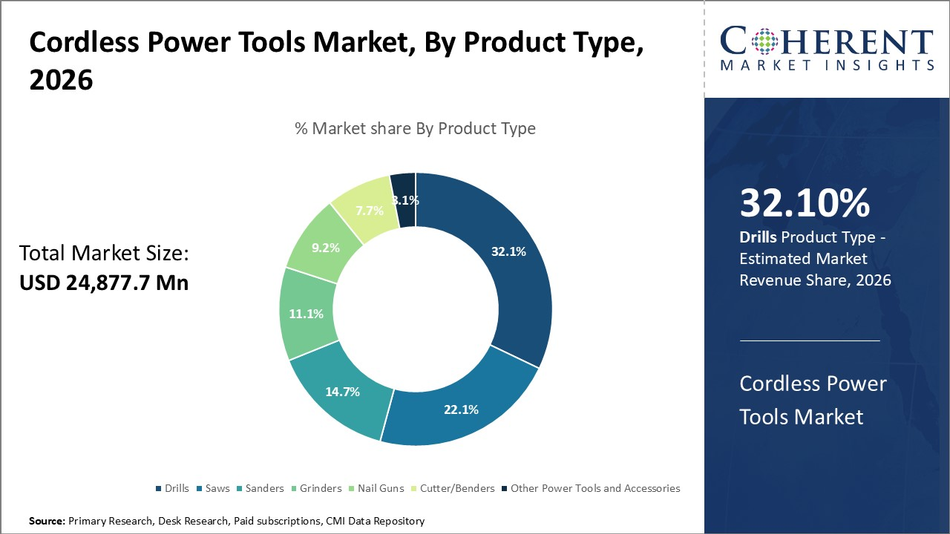
This shift is driving rapid market growth. The global cordless power tools market was valued at $25 Mn in 2026, and is expected to reach $36 Mn by 2033.
As these tools become more powerful and feature-rich, their electronic architecture also becomes more complex. Components such as battery management systems (BMS), motor controllers, variable-speed triggers, and safety interlocks all depend on reliable switching solutions.
These switches must perform consistently despite vibration, dust, moisture, repeated impacts, and millions of operating cycles. Hence, selecting the right switch is important to a power tool's reliability, safety, and long-term performance.
This article explores the role of high-performance switching solutions in modern power tools and the key factors engineers should consider when selecting them.
Why Switching Technology Matters in Modern Cordless Power Tools
Modern power tools rely on a combination of mechanical and electronic systems to deliver precise control and consistent performance. Beyond the motor and battery, multiple electronic subsystems work together to optimize efficiency, protect components, and improve the user experience.
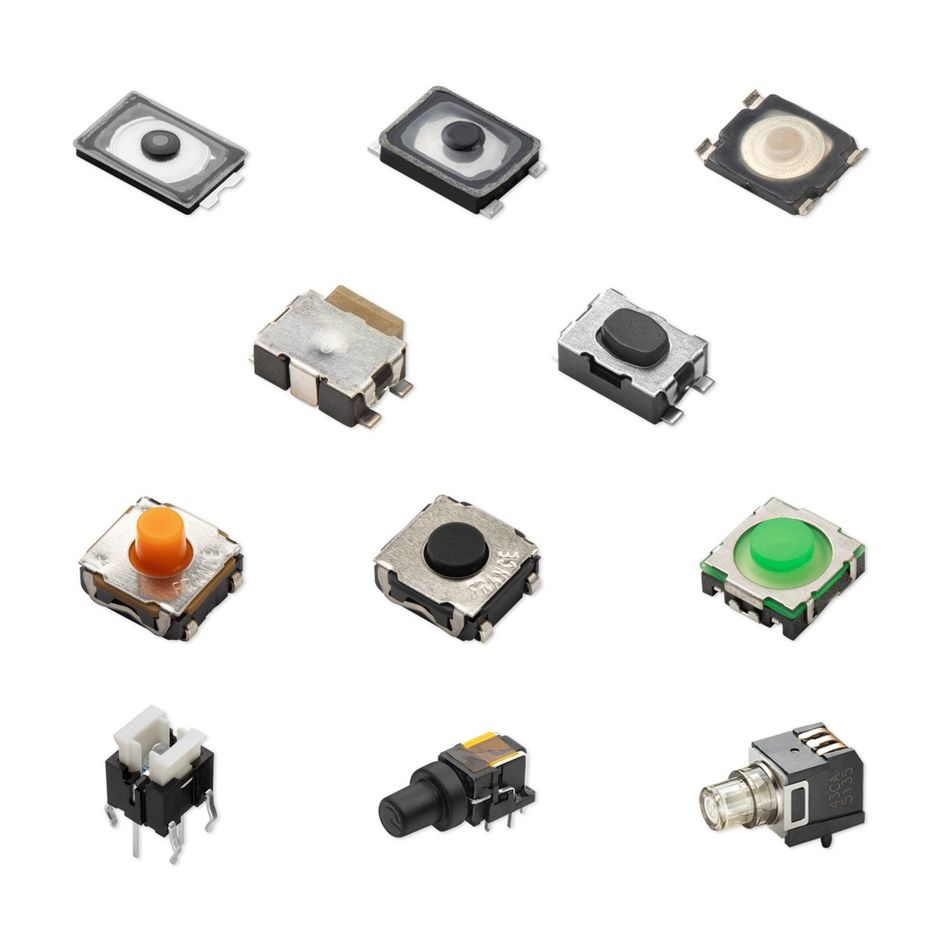
Switching solutions are integrated throughout these systems to detect user inputs, control electrical functions, and support safe operation. They are commonly used across the entire product lifecycle, including:
Power control: Enables reliable start, stop, and trigger-based operation.
Battery management: Supports functions such as battery detection, reset operations, diagnostics, and programming.
Motor control: Enables variable speed adjustment, direction changes, and operating mode selection.
Safety functions: Helps implement interlocks and user protection features.
Unlike traditional power switches, the latest switching components must deliver consistent electrical performance over hundreds of thousands or even millions of operating cycles. They must also maintain reliable operation despite exposure to vibration, airborne dust, moisture, oils, and repeated impacts.
Switching Requirements Across Power Tool Systems
Different areas of a cordless power tool perform different functions, and each places unique demands on the switching technology.
Battery Chargers and Battery Management Systems
Battery chargers and battery management systems use switches for several important tasks, including:
Battery presence detection
State-of-charge (SOC) sensing
Reset operations
Programming
Diagnostics
User interface controls
These applications often have limited PCB space and must withstand repeated battery insertion and removal. Compact tactile switches, such as the Littelfuse KSC and KMT0 Series, suit these applications because they combine a small footprint with reliable tactile feedback and long mechanical life. Their durable design also helps maintain consistent performance in environments exposed to vibration, dust, and moisture.
Inside the Power Tool
Within the tool itself, switches support nearly every user interaction. Common applications include:
Trigger actuation
Variable-speed control
Forward/reverse selection
Operating mode selection
Safety lock mechanisms
Main power control
Each function has different electrical and mechanical requirements. For example, a trigger switch must provide fast, repeatable actuation over years of daily use, while a mode selector requires precise tactile feedback and resistance to contamination. Matching the switch technology to the application helps improve both performance and long-term reliability.
Engineering Challenges in Professional Power Tool Applications
Power tools operate in some of the harshest environments for electromechanical components. Unlike consumer electronics, they are routinely exposed to conditions that can affect switch performance over time.
Some of the most common challenges include:
Continuous vibration: Hammer drills and impact drivers generate constant vibration that can affect electrical contact stability.
Mechanical shock: Frequent drops, impacts, and transportation place additional stress on internal components.
Dust and debris: Wood dust, concrete particles, and metal shavings can interfere with switch operation if adequate sealing is not provided.
Moisture and oils: Outdoor use and exposure to lubricants increase the need for environmentally protected switching solutions.
High cycle counts: Professional users may actuate triggers thousands of times each day, making long mechanical life essential.
To perform reliably under these conditions, switches must maintain stable electrical contact, consistent tactile feel, and dependable mechanical operation throughout their service life. Selecting components designed specifically for demanding industrial environments can help to minimize maintenance requirements, reduce unexpected failures, and improve overall product durability.
These harsh operating conditions are driving the development of more robust switching technologies. One example is the upcoming TactSure™ HD tactile switch family, which was originally developed to address the challenges of professional power tool applications, where continuous vibration and mechanical stress can compromise long-term switch durability. Its design focuses on maintaining stable electrical contact under demanding operating conditions while providing a consistent tactile response throughout its service life. With an endurance rating of up to one million operations and availability in both gold- and silver-plated contact options, the series is intended for applications requiring high durability and resistance to vibration.
Choosing the Right Switching Technology for Each Function
No single switching technology suits every function in a cordless power tool. Engineers should consider electrical ratings, actuation force, operating life, available space, and environmental resistance when selecting a switch.
Application | Recommended Switching Solution |
Battery detection and diagnostics | KSC and KMT0 tactile switches |
Trigger mechanisms | ZMW snap-action switches |
Higher-power control functions | LC and SUM snap-action switches |
Speed and operating mode selection | Dust-resistant key switches |
Compact tactile switches provide precise feedback while saving PCB space. Snap-action switches offer fast, reliable actuation for trigger mechanisms and other frequently used controls.
For applications exposed to continuous vibration and repeated use, the Littelfuse Tactile switch family provides up to one million operations and maintains consistent tactile feedback and reliable electrical contact throughout its service life.
When evaluating a switch, engineers should also consider:
Electrical rating and current requirements
Mechanical life and switching frequency
Available PCB or installation space
Resistance to dust, moisture, and vibration
Tactile feel and ease of operation
Choosing the right switch for each function improves reliability, user experience, and product lifespan.
Engineers should also consider safety and regulatory compliance when selecting switching components. Using UL Recognized switches can simplify certification by incorporating components that already meet established safety standards. This helps reduce development risk, speed up product approvals, and support reliable performance throughout the product's life.
Conclusion
As cordless power tools continue to evolve, switching solutions play an important role in overall product performance. From battery management and motor control to trigger operation and safety functions, the right switch helps deliver reliable performance in demanding environments.
Key Takeaways
Modern power tools require reliable switches across multiple electronic systems.
Different applications require different switching technologies.
High durability and resistance to vibration, dust, and moisture are essential.
UL Recognized components can help streamline product certification.
Littelfuse's portfolio of tactile, snap-action, rocker, and key switches supports reliable, long-lasting performance across power tools and other demanding industrial equipment.
Choosing the right switch for each application also improves durability, supports compliance, and enhances the overall user experience. Visit Littelfuse’s website to learn how switching solutions can help you design safer, more reliable, and longer-lasting power tools for demanding applications.