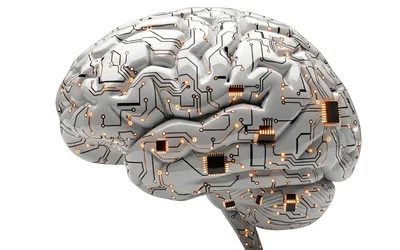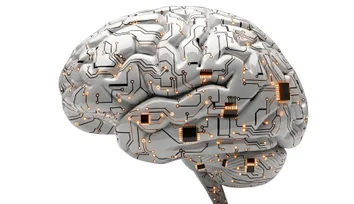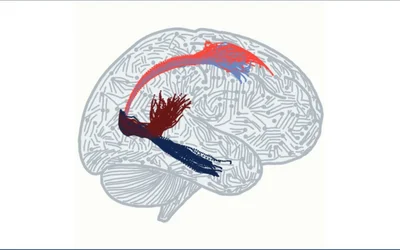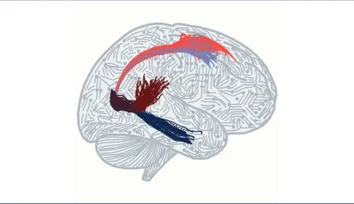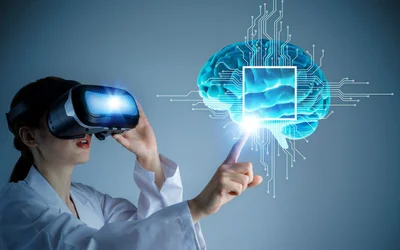
EPFL researchers have discovered key 'units' in large AI models that seem to be important for language, mirroring the brain's language system. When these specific units were turned off, the models got much worse at language tasks.

Clinical work begins with MagTrack, a cutting-edge assistive technology that enables power wheelchair users to control their connected devices and drive their power wheelchairs using an alternative, multimodal controller.
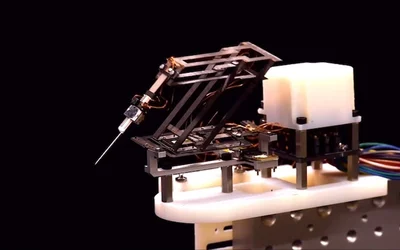
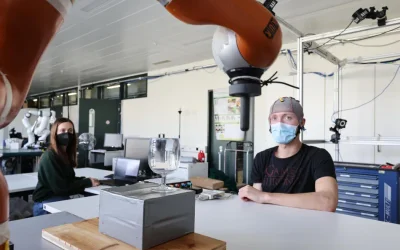
In this episode, we talk about an initiative from EPFL to allow those with spinal cord injuries to control robots for help with day-to-day tasks and MIT’s bug robots that are taking big strides for small scaled bio-robotics.
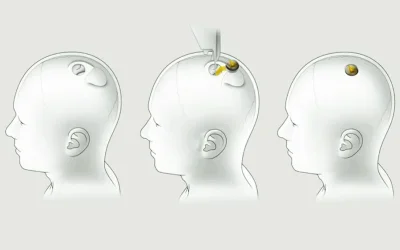
In this episode, we talk about how Neuralink wants to put chips in people’s heads, how Alauda wants to bring about the age of flying electric vehicles with their Airspeeder, and a joint effort to consider the carbon footprint of high performance processors.
Future cars will be both self-driving and manual. "We wanted to harness technology to enhance drivers’ skills without interfering with the enjoyment of being behind the wheel," explains José del R. Millán, who holds the Defitech Foundation Chair in Brain-Machine Interface (CNBI).