Highly Reliable Connectivity Solutions for Medical Electronics by Amphenol
From wearables to surgical systems, modern medical devices rely on compact, high-performance connectivity. As devices become smaller and more data-driven, these solutions must deliver reliable operation, efficient power & data transfer, and seamless integration.

07 Jul, 2026. 7 minutes read
The Growing Role of Medical Electronics
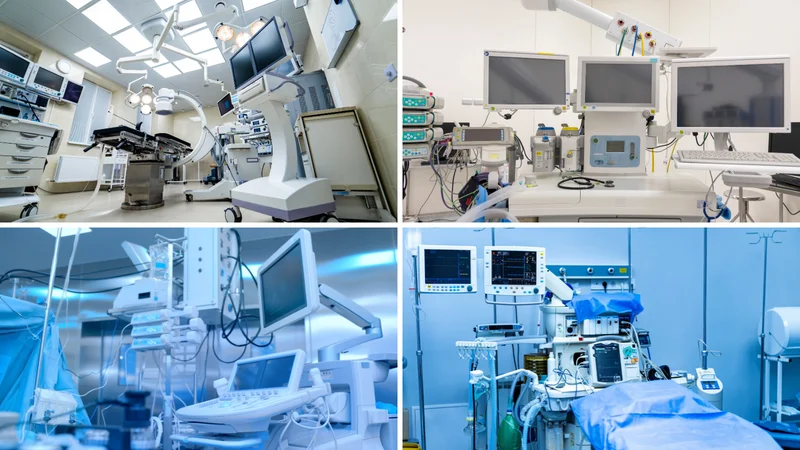
The development of X-ray machines and ECGs in the late 19th century is widely regarded as the first known use of electrical devices for medical applications. Healthcare devices have continuously improved since then. The industry underwent a major overhaul with the introduction of semiconductor technologies in the 1970s and 80s.
Recent advancements in AI have once again sparked progress. Combined with the demand for miniaturization, edge processing, robustness, and compliance with standards, the new requirements need a connectivity infrastructure that can support the components of a medical device.
This article explores the evolving role of connectivity in modern medical electronic devices. It discusses the design challenges engineers face and how high-performance connectivity solutions can be used to solve them.
Design Challenges in Modern Medical Devices
The key to developing successful medical devices is to address challenges like performance and reliability while adding new features. Here are some challenges that product designers and engineers face when building modern medical devices:
Miniaturization and High-Density Integration
Medical devices are expected to get more compact without compromising functionality. Wearables and handheld devices, for example, combine many parts and subsystems, such as sensors, processors, displays, data storage systems, communication modules, and more, all in a very limited space.
While a lot of emphasis is on optimizing the components and algorithms controlling them, connectivity solutions are sometimes overlooked. Smarter connectivity technologies may provide opportunities for improving how routing is done, layouts are planned, subsystems are integrated, and enclosures are designed.
Managing Data and Signal Performance
Modern medical devices collect data in real-time. Data is either processed on the edge or sent to cloud servers. Imaging systems generate large datasets, while monitoring devices produce a continuous stream of data to ensure accurate readings.
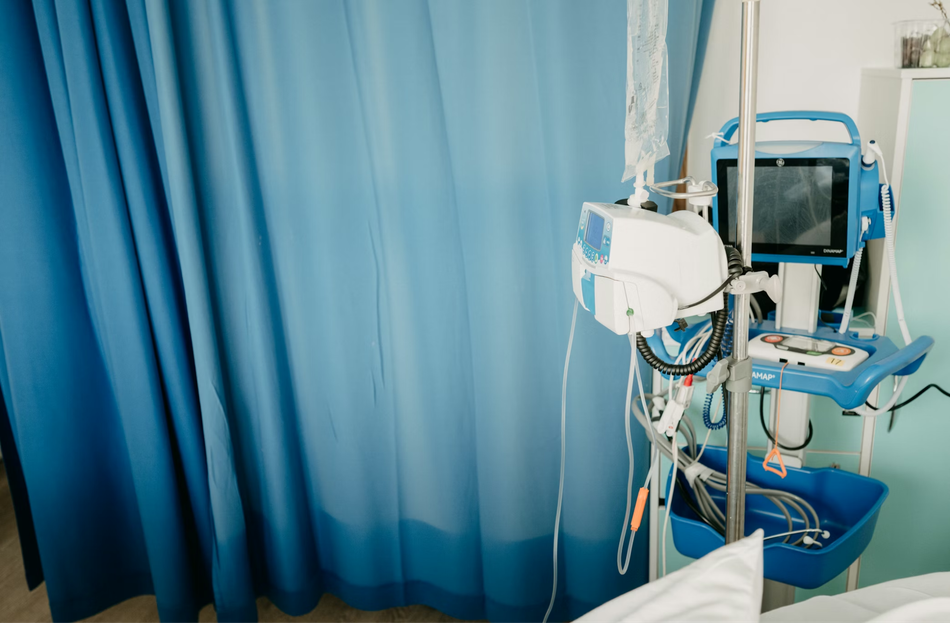
When this data needs to be transferred from one point to another, whether within the same device, a cluster of devices, or from one device to a remote server, maintaining signal integrity becomes critical. Issues such as noise, interference, and signal loss must be managed to ensure consistent performance.
Power, Thermal, and Operational Reliability
Reliable power is necessary for any device to operate continuously and support critical functions. At the same time, the need to design compact products has reduced the area available for power delivery, airflow, and heat dissipation, making thermal management difficult. Engineers are tasked with picking components that offer a balance between power efficiency, thermal performance, and operational stability.
Mechanical Flexibility and Durability
Many medical devices have moving components in small enclosures. In addition to this, they have to withstand repeated use and sterilization processes. These challenges make it difficult for engineers to fit in traditionally rigid components. Instead, alternatives are needed that don’t limit design freedom and can last for a long period.
Safety and Compliance Requirements
Medical devices are subjected to some of the most demanding tests. They are also mandatorily required to comply with various regional and international standards related to electrical performance, safety, material use, and reliability.
Keeping up with the requirements of modern medical devices while still being compliant with various standards requires carefully picking each and every component, even the ones responsible for connectivity.
Medical Device Categories and Their Connectivity Requirements
Depending on the application, medical devices are classified into various categories. Each category has its own functional requirements, which influence how connectivity is implemented and optimized for the system. The most common categories and their connectivity requirements are presented below.
Therapeutics
Therapeutic devices are the medical systems directly involved in patient care. They include devices such as anesthesia machines, continuous positive airway pressure (CPAP) devices, infusion pumps, and motorized hospital beds.
Typically, all therapeutic devices include sensors, actuators, control units, power supplies, etc. Interruptions in connectivity between any subsystems can directly affect patient safety. That’s the reason why redundancy and reliability are non-negotiable aspects when designing a connectivity system for therapeutic devices.
Monitoring
Monitoring devices, as the name suggests, are devices that are designed to capture and transmit patient data continuously or at regular intervals. Most common monitoring devices include ECG, pulse oximeters, blood glucose monitors, and fetal monitoring systems. Ideally, these applications require an uninterrupted data flow to provide accurate and real-time visibility into the patient’s condition.
Connectivity solutions must transmit signals at high speeds with minimal noise or interference, especially in healthcare environments with multiple electronic systems operating simultaneously. With the rising demand for remote patient monitoring from home and other locations, wireless connectivity between medical devices and external systems becomes important.
Imaging and Surgical
Imaging and surgical systems are some of the most complex and data-intensive medical applications ever made. Systems such as MRI scanners, CT scanners, ultrasound systems, X-ray machines, and robotic surgical platforms generate massive volumes of data in real-time. They must interface with a number of output devices like screens and control panels and, in a lot of cases, respond immediately to healthcare providers' inputs. In such a scenario, connectivity solutions must ensure high-bandwidth, low-latency data transmission.
Personal Wellness and Wearables
The demand for personal fitness and healthcare devices has risen significantly in the post-COVID era. Millennials and Gen Z consumers are spending a lot more on health and wellness than older consumers, according to a report by McKinsey & Company [1]. Fitness trackers, portable ECG monitors, and smart health patches are all examples of devices that are meant to be light, small, and easy to wear for long periods of time.
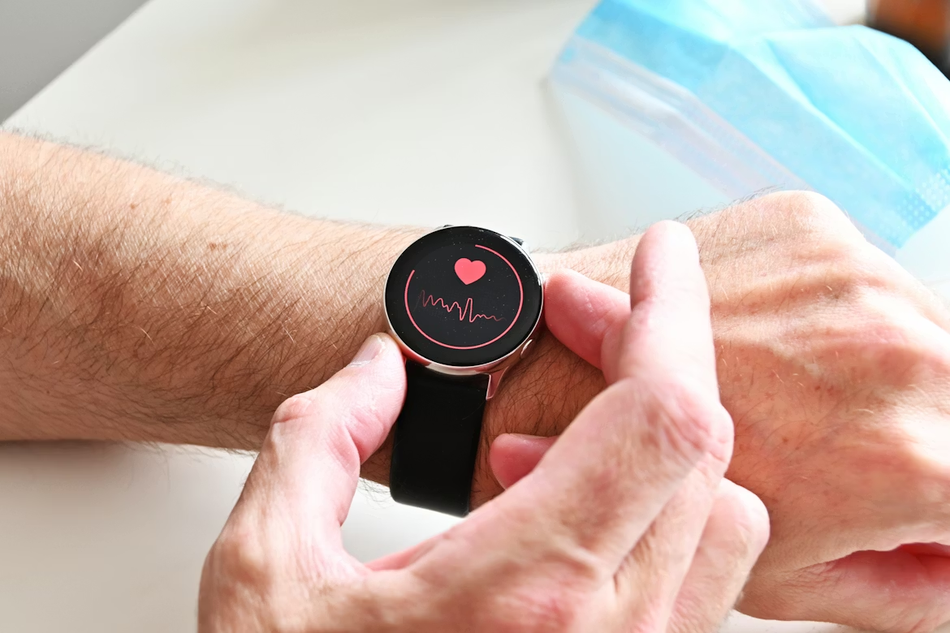
Designers sometimes trade off performance to build a low-cost device in a smaller size compared to what is used in the hospitals. Connectivity solutions in this case have to be flexible and miniaturized to fit in tight spaces. Every watt of power must be saved, so they must be highly efficient. They must also be robust to survive regular use for a long time.
Enabling Advanced Medical Electronics Through High-Performance Connectivity Solutions by Amphenol
For present-day medical devices, connectivity solutions are no longer just supporting components; instead, they are key to how the whole system is designed, integrated, and scaled. They are responsible for stable power delivery and high-speed data transfers, aspects that directly impact the performance, efficiency, and reliability of today’s medical electronics.
Amphenol is one of the world’s largest providers of high-technology wired and wireless connectivity solutions. The brand offers connectors, cable assemblies, antenna solutions, power distribution components, cables, printed circuits, and various other accessories required for building the best connectivity architecture.
Amphenol’s products can address the challenges of connectivity in medical electronics by offering high-performance products built for demanding applications. The portfolio includes components and solutions focused on compactness, reliability, and robustness, suited especially for the healthcare industry.
Amphenol FCI Mezzostak Flexible Printed Circuit Assembly
Certain dense medical device circuits have limited space and require regular bending. PCBs and connectivity solutions need to be able to bend and still work normally when they do. For such applications, engineers can use Amphenol FCI's Mezzostak Flexible Printed Circuit Assemblies.
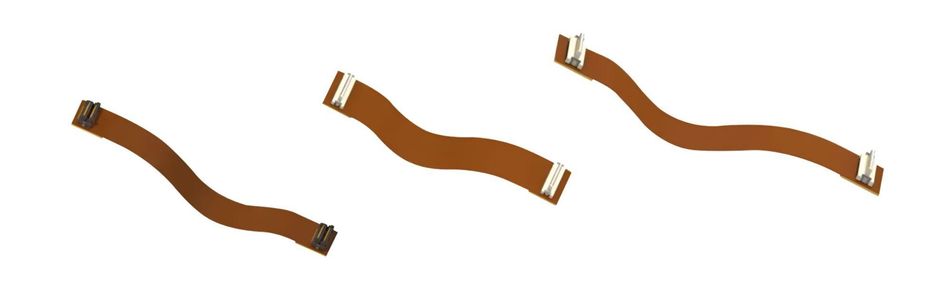
Amphenol FCI Flexible Printed Circuit Assemblies feature 30 positions, a 100 mm cable, and gold flash tail plating. It’s an industry-proven board-to-board connectivity solution offering speeds up to 16 Gb/s and a 0.5 A current rating per contact.
Table 1: Key specifications of Amphenol FCI Flexible Printed Circuit Assembly
Parameter | Specification |
Connector Type | MezzoStak Flex Cable (Receptacle type) |
Positions | 30 positions |
Profile Height | 2mm |
Cable Length | 100mm |
Data Rate | Up to 16Gb/s |
Current Rating | 0.5A per contact |
Contact Resistance | ≤ 30mΩ |
Insulation Resistance | ≥ 1000MΩ |
Voltage Rating | 100VAC |
Operating Temperature | -40°C to +125°C |
Amphenol Commercial Single Pair Ethernet (SPE) IP20 Cable Assemblies
To address the growing need for network connectivity in medical devices, engineers can consider Amphenol’s Commercial SPE IP20 Cable Assemblies. SPE cable assemblies use a single twisted pair of copper conductors to reduce the assembly size and complexity compared to typical multi-pair Ethernet cables. It’s a practical solution where space is limited, much weight can’t be added, and speeds up to 1 Gb/s are sufficient. The cable assemblies can handle currents of up to 4 A with Power over Data Link (PoDL) support.
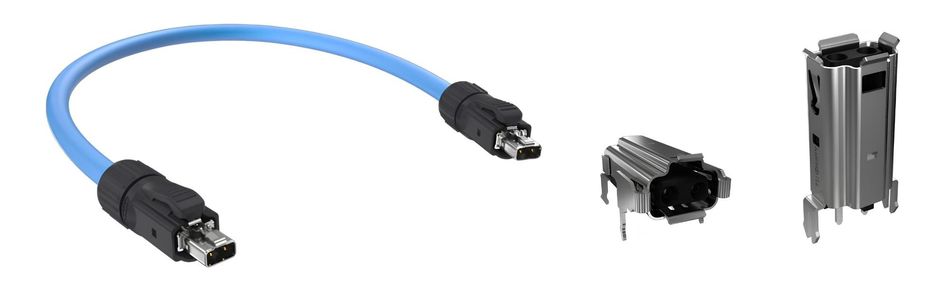
Amphenol’s SPE cable assemblies also come with an IP20 rating. This makes the cables suitable for controlled environments. Since the SPE standard is defined by IEEE and IEC, engineers can ensure interoperability and long-term scalability by using these components for their medical devices.
Table 2: Key specifications of Amphenol SPE IP20 Cable Assemblies
Parameter | Specification |
Connector Standard | IEC 63171-6 (IP20 SPE interface) |
Ethernet Support | IEEE 802.3cg (10BASE-T1L), IEEE 802.3bw (100BASE-T1), IEEE 802.3bp (1000BASE-T1) |
Data Rate | 1Gb/s (up to 40m) and 10Mb/s (up to 1km) |
Cable Type | Shielded Single Twisted Pair (100Ω impedance) |
Power Capability | Supports Power over Data Line (PoDL), up to 60V |
Current Rating | Up to 4A (PoDL dependent) |
Operating Temperature | -40°C to +85°C |
Shielding | 360° shielding for EMI protection |
Trends in Medical Electronics
As the healthcare industry moves towards being more connected and data-driven, medical electronics will continue to evolve.
One of the prominent trends is the growth of remote patient monitoring and home-based care. Smarter and smaller connectivity solutions are enabling continuous tracking outside traditional hospitals and healthcare settings, reaching users’ homes.
Imaging systems and AI-assisted diagnostics are getting more advanced, and in doing so, the systems generate significantly larger data volumes. Flexible connectivity solutions unlock a new set of applications that were not possible earlier with traditional rigid options.
This trend of technical advancement and miniaturization is nothing without standardized communication technologies. Connectivity solutions of the future must focus on being compliant with industry safety and compliance standards to be ready for the next generation of medical electronics.
Suggested reading: Biomedical Instruments and the Future of Digital Healthcare
Conclusion
Connectivity continues to be a crucial factor in facilitating the development of more advanced and sophisticated medical applications. As systems become more complex and compact, engineers must ensure the connectivity solutions they employ offer a balance between performance, compactness, ruggedness, and long-term reliability. Medical device manufacturers can improve the end-user experiences by upgrading to the best connectivity solutions available in the market.
Explore Amphenol’s connectivity solutions available through Mouser Electronics to support your next medical device design.
References
- The trends defining the $1.8 trillion global wellness market in 2024, Jan 16, 2024, McKinsey & Company, [Online]: https://www.mckinsey.com/industries/consumer-packaged-goods/our-insights/the-trends-defining-the-1-point-8-trillion-dollar-global-wellness-market-in-2024