
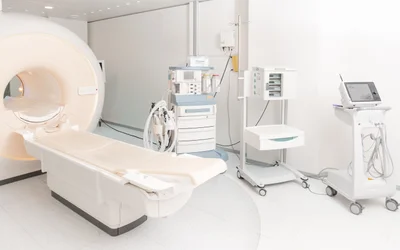
Medical devices require critical reliability, application-specific criteria, and its own unique set of constraints. This guide explores power level, form factor, and care settings for medical devices.
Be the first to know.
Get our biomedical devices weekly email digest.
Tagged with
Biomedical Devices
ORGANIZATIONS. SHAPING THE INDUSTRY.
Latest Posts

A microbial fuel cell turns the metabolism of living bacteria into an electrical current. This guide covers the electrochemistry, microbiology, materials, real performance numbers from pilot plants, and the economics that still keep the technology out of mainstream power generation.


EPFL researchers have built a photonic chip that rivals much larger laboratory lasers, delivers extremely short, high-energy optical pulses, and could reshape technologies like medical diagnostics and optical atomic clocks.


Researchers from ETH Zurich have developed a portable measuring device that detects the metabolic marker acetone in breath almost as accurately as a mass spectrometer. It can be used by laypeople and detects when the body starts burning fat when dieting or during exercise.


In this episode, we explore MIT's groundbreaking approach to treating liver failure by injecting tiny "satellite livers" instead of replacing the entire organ.

15 minutes read


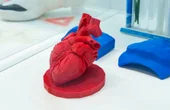
3D-printed medical tools can often be produced in days instead of weeks, allowing engineers to build parts on demand, refine designs quickly, and move into evaluation faster. That is helping healthcare teams develop more adaptable solutions, with equipment built for a specific patient or procedure.

4 minutes read

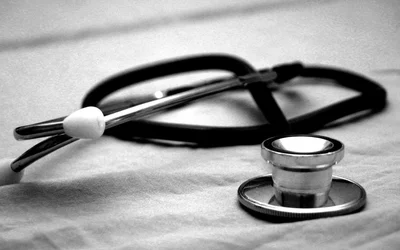
Fourth-year veterinary students matched – and experienced clinicians outperformed – an AI-enabled digital stethoscope in diagnosing heart murmurs and arrhythmias in cats and dogs, according to a new study from North Carolina State University.

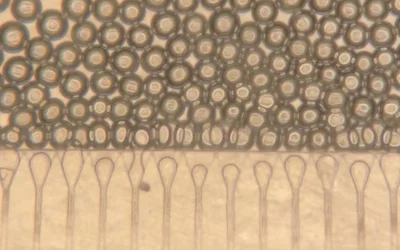
The engineered tissue grafts could take on the liver's function and help thousands of people with liver failure.
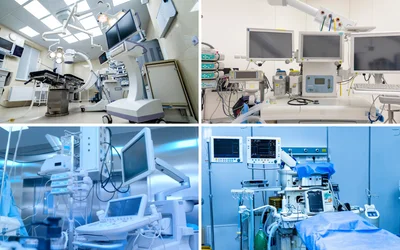
From wearables to surgical systems, modern medical devices rely on compact, high-performance connectivity. As devices become smaller and more data-driven, these solutions must deliver reliable operation, efficient power & data transfer, and seamless integration.
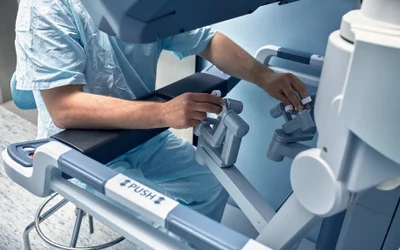
Connectors in medical and industrial applications have strict reliability requirements. Discover how Harwin supports these requirements in life-critical and mission-critical applications.
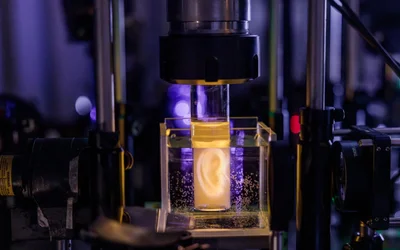
EPFL researchers have developed a way to use holograms to guide laser light for ultra-efficient, fast, and precise volumetric 3D printing. The innovation enables cell-compatible, high-resolution 3D printing at scales suitable for biomedical applications.

This article explores why fragmented development models are no longer sustainable in MedTech, as connected devices, continuous software updates, and evolving regulations demand reproducible, compliance-ready development workflows across the entire device lifecycle.


Ultra-efficient chip design enables extremely strong cryptography algorithms to run on energy-constrained edge devices.


New System Strengthens Security for the Biotech Industry

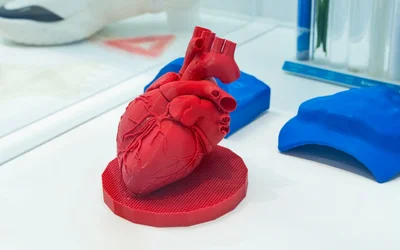
A technical analysis of 3D printing in healthcare, covering materials, clinical applications, and regulatory considerations for engineers.